Chris DoughertyHost
Clare YeoGuest
What is it about Kathy's character specifically that brings you to the table with such an intense thought about who she is and what she represents?

Yeah, I think when I first read through the novel, the scene that really stuck out to me was when she was pregnant and she did not want to be.

And in a novel about choice, it seems like she didn't have one, right? And once I encountered that scene, I started to go back throughout the novel and I'm like, she did make choices in the past, but she could not prior to setting her house on fire and potentially dying.

murdering her parents, she did try to run away, but she got caught and she got punished to the point where like if she was not crying, her dad whipped her harder so that to

And I think in Steinbeck's world, Steinbeck's Eden is not paradise, right? It's, it's our world.

Everyone, depending on who you are, depending on your skin color, depending on your gender, depending on your identity, have different options in front of them.

You had written in your essay that something that kind of stood out to me is you say here in the essay, Steinbeck himself reflects on this in Journal of a Novel that used to be in Letters on March 28th, quote, if she were simply a monster that would not bring her in.

But since she had the most powerful impact on Adam and transmitted her blood to her sons and influenced the generations, she certainly belongs in this book and with some time given to her." You then go on to say, "...to read Kathy as a simple, soulless, one-dimensional evil is to misrepresent Steinbeck's ability to tell a compelling story.

As far as Anthony Bourdain's rules for writing go, you should always have sympathy for the bad guy if you don't.

It's hopeless." A lot of folks will read Kathy, and upon my first reading, I remember looking at Kathy as the representation of pure evil, right? And as you get further away from the experience of reading a book, especially if it's a great book, it sits with you, and you think about things differently, and You know, maybe you come to enjoy the book more or maybe you come to enjoy the book less.

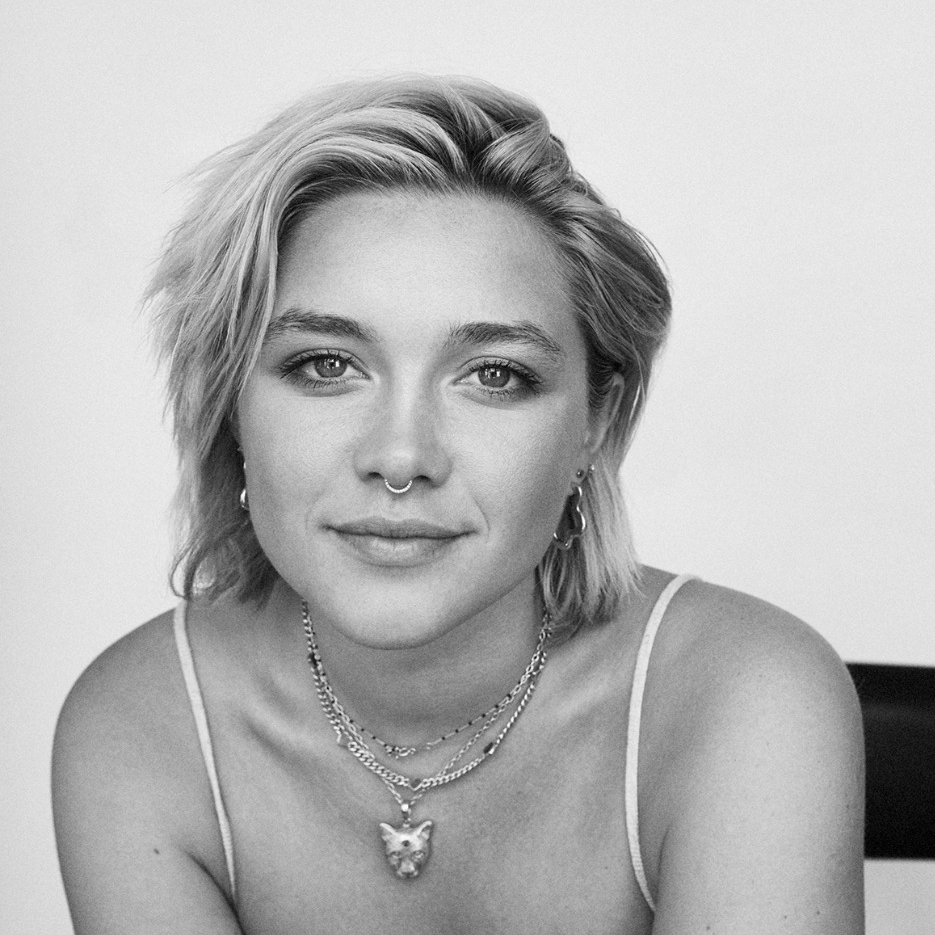
And one thing I want to pull on is in the trailer or the East of Eden poster that Netflix released, there's a picture of Kathy played by Florence Pugh and the words on the poster say, you are what you choose.

Talk a little bit about the representation of evil in Kathy, how Steinbeck kind of brings that to life and kind of is she misrepresented? Is she represented properly? How is she or is she not the representation of evil in East of Eden?

I think we can't necessarily say if she was represented properly because the whole point is to shroud her in this mysticism, right? In chapter 17, the narrator quite literally says that we cannot know to what end she is doing all these things.

And I think that is the point where evil feels evil and it feels scary because we can't pinpoint it.

And I think to read Cathy as this one-dimensional embodiment of evil is to make it too easy for us.

If we know who the bad guy is, we know how to stay away, right? It's like, oh yeah, I'm going to stay clear of the boogeyman because he's under my bed.

What is it about Kathy's character specifically that brings you to the table with such an intense thought about who she is and what she represents?

Yeah, I think when I first read through the novel, the scene that really stuck out to me was when she was pregnant and she did not want to be.

And in a novel about choice, it seems like she didn't have one, right? And once I encountered that scene, I started to go back throughout the novel and I'm like, she did make choices in the past, but she could not prior to setting her house on fire and potentially dying.

murdering her parents, she did try to run away, but she got caught and she got punished to the point where like if she was not crying, her dad whipped her harder so that to

And I think in Steinbeck's world, Steinbeck's Eden is not paradise, right? It's, it's our world.

Everyone, depending on who you are, depending on your skin color, depending on your gender, depending on your identity, have different options in front of them.

You had written in your essay that something that kind of stood out to me is you say here in the essay, Steinbeck himself reflects on this in Journal of a Novel that used to be in Letters on March 28th, quote, if she were simply a monster that would not bring her in.

But since she had the most powerful impact on Adam and transmitted her blood to her sons and influenced the generations, she certainly belongs in this book and with some time given to her." You then go on to say, "...to read Kathy as a simple, soulless, one-dimensional evil is to misrepresent Steinbeck's ability to tell a compelling story.

As far as Anthony Bourdain's rules for writing go, you should always have sympathy for the bad guy if you don't.

It's hopeless." A lot of folks will read Kathy, and upon my first reading, I remember looking at Kathy as the representation of pure evil, right? And as you get further away from the experience of reading a book, especially if it's a great book, it sits with you, and you think about things differently, and You know, maybe you come to enjoy the book more or maybe you come to enjoy the book less.

And one thing I want to pull on is in the trailer or the East of Eden poster that Netflix released, there's a picture of Kathy played by Florence Pugh and the words on the poster say, you are what you choose.

Talk a little bit about the representation of evil in Kathy, how Steinbeck kind of brings that to life and kind of is she misrepresented? Is she represented properly? How is she or is she not the representation of evil in East of Eden?

I think we can't necessarily say if she was represented properly because the whole point is to shroud her in this mysticism, right? In chapter 17, the narrator quite literally says that we cannot know to what end she is doing all these things.

And I think that is the point where evil feels evil and it feels scary because we can't pinpoint it.

And I think to read Cathy as this one-dimensional embodiment of evil is to make it too easy for us.

If we know who the bad guy is, we know how to stay away, right? It's like, oh yeah, I'm going to stay clear of the boogeyman because he's under my bed.
The rest of this transcript — segmented and speaker-labeled, so you land on the exact moment something was said
Search every transcript — by keyword, by phrase, or by meaning, across every show Radar indexes
Trends — what is surging across podcasts, measured against its own baseline
Alerts — when a name you follow appears in a newly indexed episode
No account is needed to search Radar.