OnBase: Smashing Sales and Marketing Misalignments
> Are we adapting to a broken internet or helping break it? — Rand Fishkin
Sep 3, 2026 · 35 min · 11 segments
The internet used to make a simple promise: create something valuable, get discovered, and earn the visit. That promise is disappearing as Google answers questions on the results page, social…
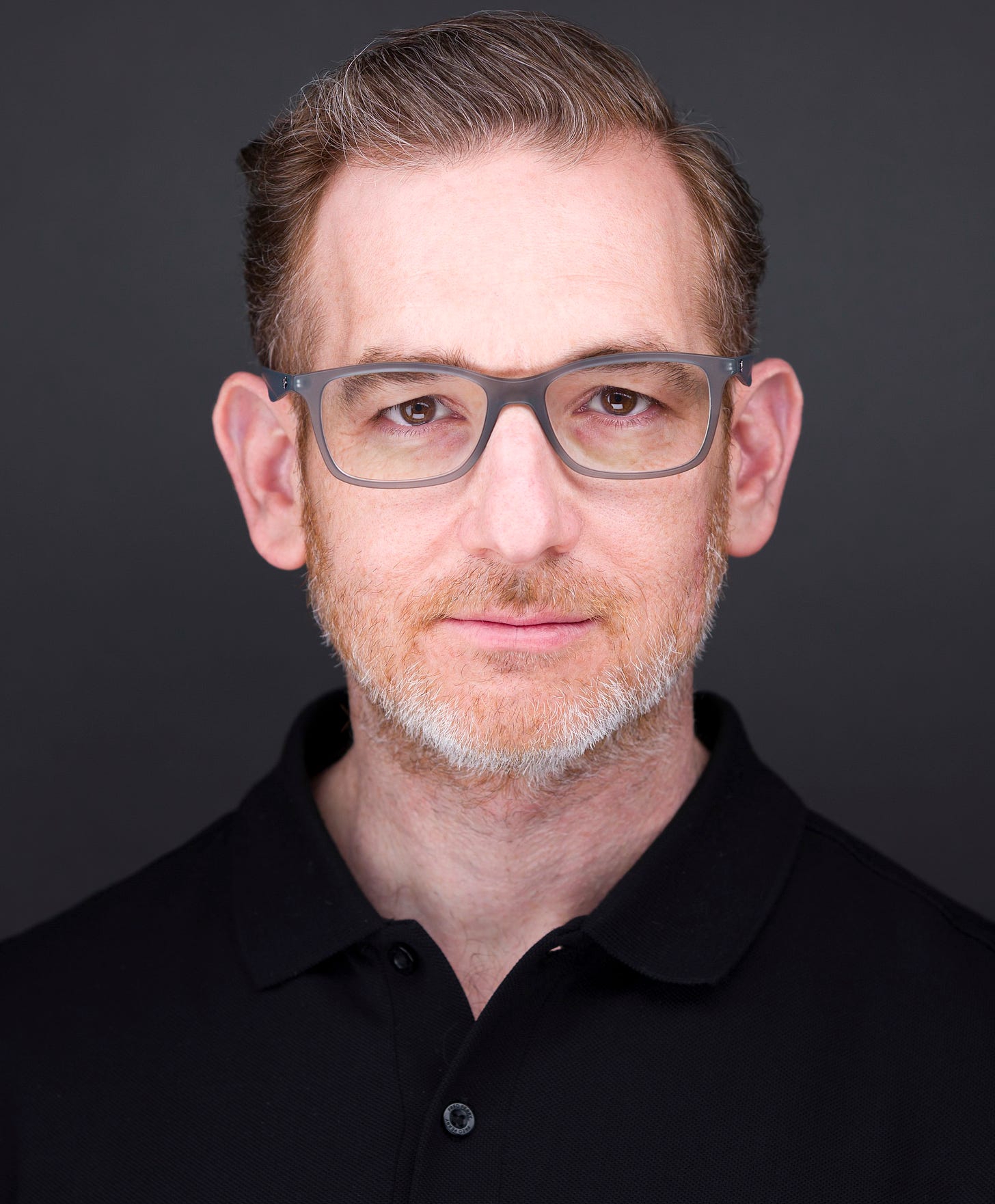
The internet used to make a simple promise: create something valuable, get discovered, and earn the visit. That promise is disappearing as Google answers questions on the results page, social platforms suppress outbound links, and AI tools summarize sources without sending them traffic. Rand Fishkin, CEO and cofounder of SparkToro, joins Rachel Truair to ask whether adapting to this zero-click era also helps cement it. Rand explains why attribution rewards the platforms that capture demand rather than the channels that create it, what marketers should measure instead, and why falling traffic may push the industry back toward brand, creativity, and work people genuinely remember. The question underneath it all: when every rational marketing decision sends us deeper into closed platforms, are we surviving a broken internet or helping break it? **Quotes** **The zero-click playbook** *"Your job is to go to the places where your audience pays attention."* **When AI gives you an answer without the source** *"Check for the source every time. My God, you can't trust those things."* **Brand building in a zero-click world** *"Brand building is about being present in people's sort of daily lives and habits."* **From the conversation** - How Google Ads can take credit for demand created by a podcast, PR, content, or an event - and why that distorts the next budget decision - Why zero-click search has accelerated since 2024 as Google, social networks, and AI tools increasingly answer without sending traffic - What replaces traffic and attribution: finding where an audience pays attention, creating for that environment, and measuring lift and incrementality - Why the zero-click era may revive brand building, creative risk, and the kinds of marketing that dashboards struggle to prove - Why websites remain essential even as visits decline, and why Rand now believes "don't build your home on rented land" is outdated advice **About the guest** Rand Fishkin is CEO and cofounder of three companies: SparkToro, makers of fine audience research software, pun-filled Google Alerts alternative Alertmouse, and indie game developer Snackbar Studio. He’s the co-author (with Amanda Natividad) of the upcoming Zero Click Marketing and 2018’s Lost and Founder. When Rand’s not working, he’s usually traveling with or cooking a fancy meal for the love of his life, bestselling author Geraldine DeRuiter. Rand was, in a past life, the CEO/cofounder of Moz, and Inbound.org. He’s keynoted hundreds of events around the world on marketing, technology, and entrepreneurship and his research has been cited by the US DOJ, FTC, Wall Street Journal, Washington Post, Economist, alongside thousands of other publications. LinkedIn: https://www.linkedin.com/in/randfishkin/
The internet used to make a simple promise: create something valuable, get discovered, and earn the visit. That promise is disappearing as Google answers questions on the results page, social…
- Show signals
- SuitabilityBrand safe