Oct 1, 2026 · 51 min · 8 segments
**** **Stephen Darwall** ***Modern moral philosophy in the 19th century.*** ***Webpage accompanying this podcast: click…
Anscombe's challenge, made in this famous broadside of hers, Modern Moral Philosophy, which was published, I think, by Philosophy in 1958, was that modern mo- moral philosophy was in the grips of a law conception of ethics, unlike that of the ancient Greeks, for example, uh, which was about virtue and the good.
And she thought that any such conception would be unintelligible unless you grounded it in divine legislation.
And, you know, there are many modern moral philosophers who have believed in God, and many of those have been theological voluntarists that has believed that it takes God's command to constitute or posit morality.
But the latter's been a minority view, and certainly these days it's, it's a tiny minority view.
And so she was saying that you guys are using these concepts, but you don't have the right to use these concepts.
Now, my own philosophical work, not my history, but my own philosophical work in The Second-Person Standpoint and other articles coming after, after that provides, I think, [chuckles] an alternative grounding.
So really what Anscombe was down on was what we could call deontic morality, or what Bernard Williams calls morality as opposed to ethics, or what Alan Gibbard called morality in the narrow sense.
That is, the concepts of obligation, duty, accountability, culpability, rights, and so on.
And, you know, sh- she was, I think, exactly correct in identifying this as a signal feature of, of modern moral philosophy.
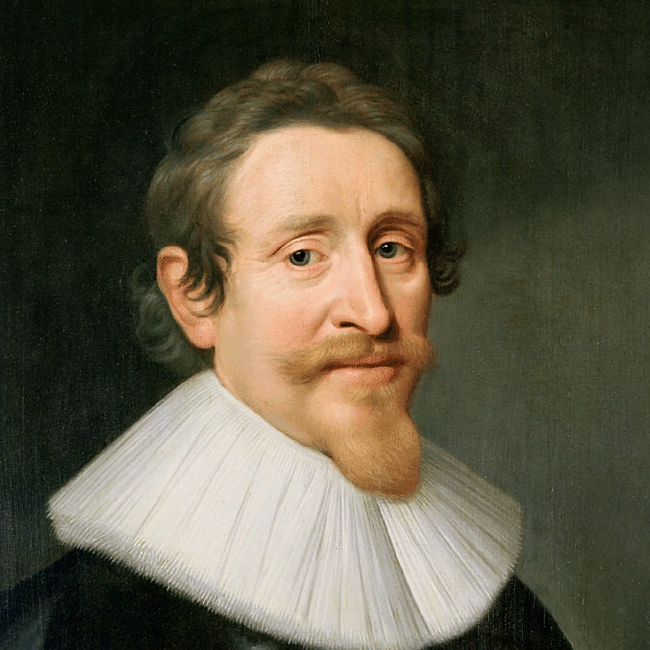
Grotius is quite clear in On the Law of War and Peace that there's a fundamental difference, he says, this-- he's just drawing this from Suarez and some other scholastics, between counsel on the one hand and law on the other.
And Suarez-- and law is defined by its relation to accountability, by its relation to culpability, and so on.
The rest of this transcript — segmented and speaker-labeled, so you land on the exact moment something was said
Search every transcript — by keyword, by phrase, or by meaning, across every show Radar indexes
Trends — what is surging across podcasts, measured against its own baseline
Alerts — when a name you follow appears in a newly indexed episode
No account is needed to search Radar.