The Rest of the World Report | October 9, 2026 — Evening Edition
Oct 9, 2026 · 14 min · 7 segments
Weekday morning and evening editions. Saturdays once. Good news on Sundays. All sources labeled. PILLAY’S PEACE PRIZE Navi Pillay won the 2026 Nobel Peace Prize on Friday. The Norwegian Nobel…
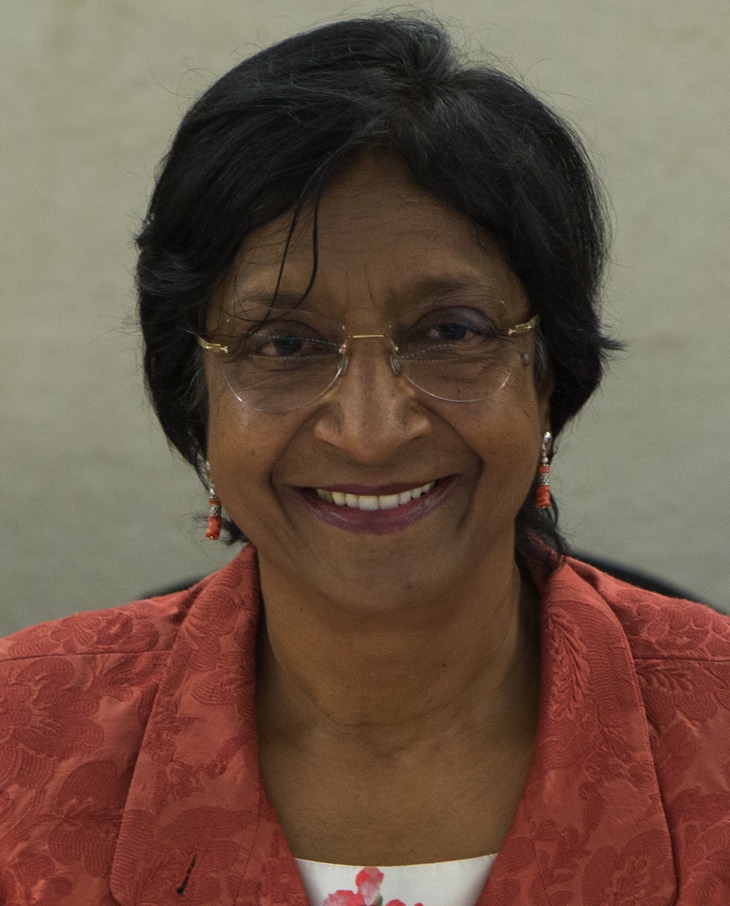
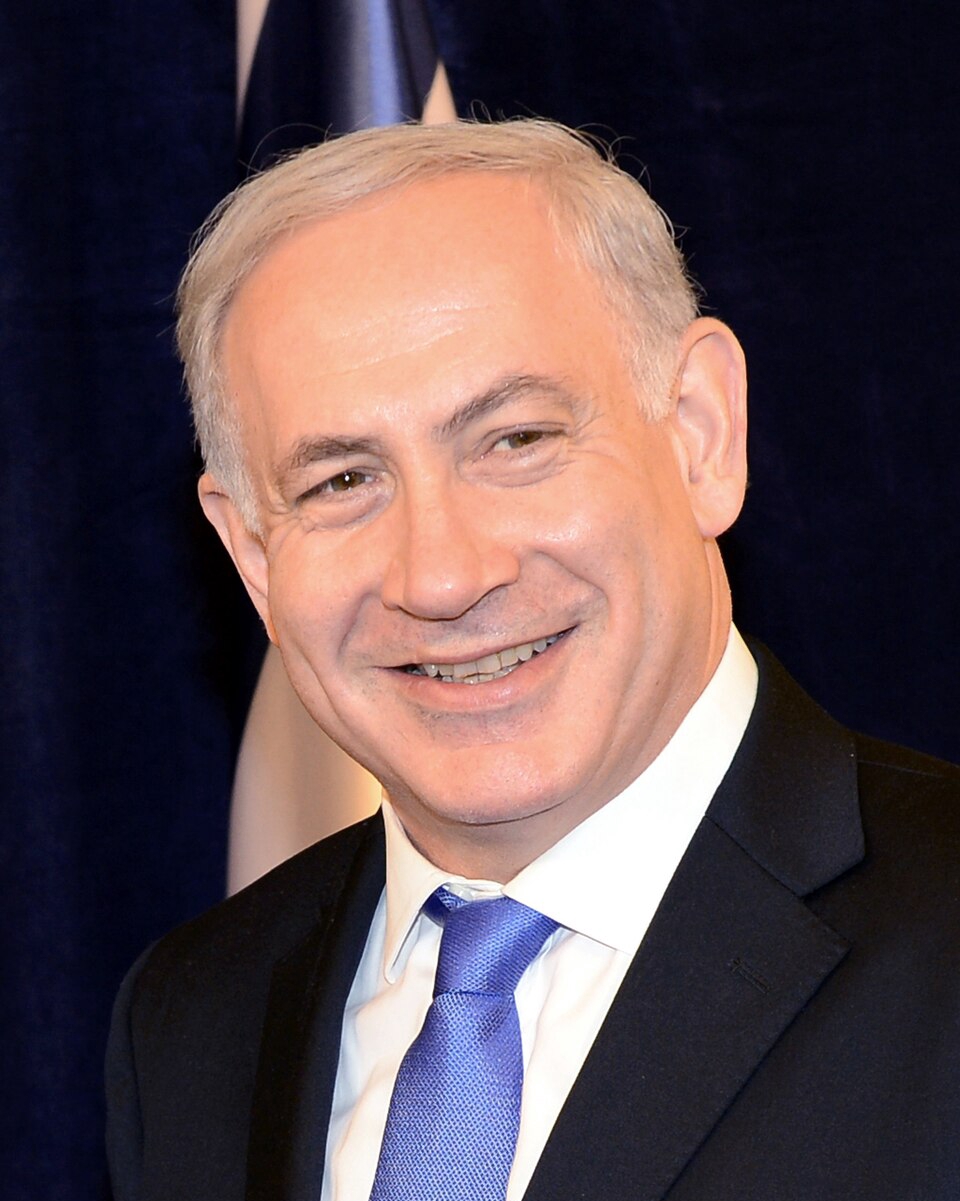
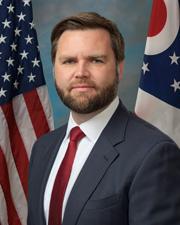
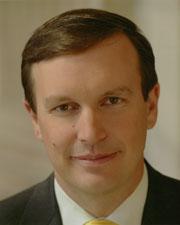
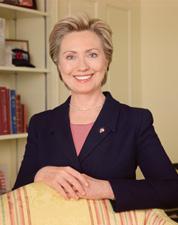
Weekday morning and evening editions. Saturdays once. Good news on Sundays. All sources labeled. PILLAY’S PEACE PRIZE Navi Pillay won the 2026 Nobel Peace Prize on Friday. The Norwegian Nobel Committee announced the award in Oslo. It cited her work to promote peace and international law. Committee Chair Jørgen Watne Frydnes said international law is under heavy pressure and its institutions are under attack. Pillay is a South African jurist. She is 85. She was born in Durban. In 1967 she opened a law practice in Natal Province. She defended anti-apartheid activists, Nelson Mandela among them. She later sat on the International Criminal Tribunal for Rwanda. The committee singled out her role there in establishing that rape and sexual violence can be crimes against humanity and genocide. She served as U.N. High Commissioner for Human Rights from 2008 to 2014. She now sits on the International Court of Justice, in the case in which Myanmar stands accused of genocide against the Rohingya. She also chaired the U.N. commission of inquiry on the Occupied Palestinian Territory. It concluded last year that Israel is responsible for genocide in Gaza. Pillay said Friday that the Gaza report was the last thing she delivered. She asked why telling the truth should take courage. She learned of the prize in Courtroom 600 in Nuremberg, where Nazi leaders were tried after World War II. She was attending a conference there. As the room applauded, she joked that if it applauded louder she might share the prize with Trump. Amnesty International’s Agnes Callamard filmed it and posted it on X. The joke referred to last year’s winner, Venezuelan opposition leader Maria Corina Machado, who offered her medal to Trump in January. Pillay dedicated the award to survivors of international crimes. Israel’s Foreign Ministry responded in a post on X. It said the award was being used as a weapon to legitimize hatred of Israel. U.N. Secretary-General Antonio Guterres, International Criminal Court (ICC) President Tomoko Akane and South African President Cyril Ramaphosa praised the choice. Hours after the announcement, President Donald Trump posted on Truth Social that the committee had demeaned the prize by giving it to Pillay. The White House also sanctioned the International Criminal Court that day. That story follows. William Schabas, an international law professor at Middlesex University in London, read the prize as recognition of the institutions Pillay worked in, the ICC among them. He also called it a mild endorsement of her U.N. report on Gaza. The prize is worth 12 million Swedish kronor, about $1.2 million. The ceremony is in Oslo on December 10. 🇺🇸 **What American readers need to know:** Trump told reporters Wednesday that it would be a great discredit if he did not win the prize. *Sources:* Al Jazeera *(Qatar, state-funded/editorially independent; AFP and Reuters copy; award, committee statement, Pillay’s career and reaction, Israeli Foreign Ministry, Guterres, Ramaphosa, Trump post, prize amount)*; Al Jazeera *(Qatar, state-funded/editorially independent; explainer; birth, career dates, ICJ role, Akane, Courtroom 600)*; Al Jazeera *(Qatar, state-funded/editorially independent; Schabas)*; PBS News *(U.S. public broadcaster; Trump’s Wednesday remark)*; Le Monde *(France; AFP and Reuters copy; Pillay’s joke at Nuremberg, Machado medal)* THE US SANCTIONS THE COURT The United States has imposed sanctions on the International Criminal Court itself. Secretary of State Marco Rubio announced them Friday. Earlier U.S. sanctions hit the court’s prosecutors and judges. These target the court. They block its property in the United States and bar anyone from providing it funds, goods or services. They are due to take effect in 180 days unless an agreement is reached. Rubio said in a video, “Either the ICC will end its threats, or we will end the ICC.” Shortly after the announcement, the Treasury Department issued four general licences. They allow some transactions for the court’s telecommunications, software and pension payments, and for transactions linked to its detainees. The court has about 900 staff and 125 member states. It is based in the Netherlands. The administration points to a past investigation into the actions of U.S. soldiers in Afghanistan, which the court describes as deprioritised. It also points to the arrest warrants for Prime Minister Benjamin Netanyahu and former Defense Minister Yoav Gallant. The court’s deputy prosecutor, Nazhat Shameem Khan, said the sanctions are meant to undermine the rule of law and that the court’s work will continue. Netanyahu thanked the administration for its leadership. The same day, the Treasury Department suspended sanctions on Russian diesel exports until April 7, 2027. In 2023 the ICC issued an arrest warrant for Russian President Vladimir Putin over the unlawful transfer of children from Ukraine. The foreign ministers of Canada, Denmark, Germany, France, Italy, Japan, the Netherlands and the UK issued a joint statement. They said they regret the sanctions and strongly disagree with them. They said they will prepare for the court’s Assembly of States Parties in December. 🌍 **Translator’s Note:** Outside the US, the sanctions are read as a collision between Washington and its allies, and the pressure lands on Europe. Reuters says the move puts the United States on a diplomatic collision course with its European allies. Rubio said the United States expects those allies to rein in the court. The court’s registrar asked the European Union this week to be ready to use that blocking mechanism. The European Commission called the sanctions deeply regrettable and said it is ready to take necessary measures. Le Monde reports the Union did not say whether it will use its blocking mechanism, which shields European companies from the effects of foreign sanctions. The Dutch prime minister said the Netherlands is very disappointed and urged using the six months to negotiate. Switzerland and the U.N. backed the court. In that list, Netanyahu is the only one welcoming the sanctions. 🇺🇸 **What American readers need to know:** The ICC has not sought to prosecute any U.S. citizen. A 2002 U.S. law already bars extradition of Americans to the court. It also authorizes military force if a U.S. citizen is detained while the court prosecutes them. *Sources:* Al Jazeera *(Qatar, state-funded/editorially independent; Rubio, sanctions scope, Khan, Netanyahu, 2002 law)*; Le Monde *(France; AFP copy; 180-day start, European Commission, Dutch, Swiss and U.N. reactions, Netanyahu’s welcome)*; Daily Maverick *(South Africa; Reuters copy; general licences, 125 member states, collision course, Rubio’s expectation of allies, registrar’s request)*; Kyiv Independent *(Ukraine; Putin warrant, earlier sanctions on judges, joint statement of eight ministers)*; The Hindu *(India; PTI copy; April 7 end date)* RUSSIAN DIESEL SANCTIONS SUSPENDED The United States has suspended sanctions on Russian diesel exports until April 7, 2027. President Donald Trump announced the move Friday after a call with Russian President Vladimir Putin. He said on Truth Social that Russia will supply more than 300,000 tons of diesel immediately. Another 500,000 tons will come in November, he said, and 1,000,000 tons after that. He said diesel prices will come down in record numbers, and fast. The Treasury Department’s Office of Foreign Assets Control issued a temporary general license to allow Russian diesel into the global market. The Kremlin said Russia confirmed its willingness to supply oil and petroleum products to U.S. and global markets. Putin’s envoy, Kirill Dmitriev, welcomed the deal. It is not clear what Russia receives in return. President Volodymyr Zelenskyy said the decision fuels Putin and lets him wage more war. Ukraine’s negotiators are in Florida for two days of talks with U.S. officials. They are seeking a ceasefire that could begin with a halt to attacks on energy infrastructure. Zelenskyy said Ukraine would stop striking Russian refineries if Moscow stopped attacking Ukraine’s power system. Ukraine’s Defense Ministry says its drone strikes have knocked more than half of Russia’s refining capacity offline. The International Energy Agency estimates Russian diesel production has fallen by nearly 30 percent. Russia extended a ban on diesel exports by fuel producers through October 31. Putin said October 1 that Russia has enough diesel, but that sanctions keep it from supplying global markets. AAA puts the U.S. average for diesel at about $6.28 a gallon. That is down from a record $6.53 at the end of September. 🌍 **Translator’s Note:** Outside the US, the deal is read as a concession to Moscow made while peace talks are under way. The BBC calls it a sharp reversal. Congress recently passed, and Trump signed, a law authorizing sanctions and tariffs on countries that import Russian oil and gas. The BBC says the deal exposes Trump to criticism from European allies. They could say he is helping fund Moscow’s war machine. In Kyiv, Zelenskyy said Ukraine’s negotiators were being used as a “smokescreen.” A European diplomat said the deal is unlikely to move prices, but that its symbolism will count. 🇺🇸 **What American readers need to know:** Diesel fuels farming, home heating and trucking. Its price is up about 70 percent since the war with Iran began. Congressional elections are November 3. *Sources:* BBC *(UK, public broadcaster; Trump’s post and tonnage, Treasury license, Putin statement, Dmitriev, Zelenskyy, IEA 30 percent, AAA price, Congress’s sanctions law)*; Al Jazeera *(Qatar, state-funded/editorially independent; Reuters copy; Ukrainian Defense Ministry refining claim, diesel up 70 percent, November 3 elections)*; The Hindu *(India; PTI copy; April 7 end date)*; Kyiv Independent *(Ukraine; OFAC license, Kremlin statement, Zelenskyy, Florida talks, export ban, Putin October 1, European diplomat)* THE LIVESTREAM BACKLASH The United Nations human rights office said Friday that broadcasting Nidal Hasan’s execution would be a public execution. It said the broadcast would violate the ban on torture, which has no exceptions. The Pentagon has said the December 3 execution by firing squad will be livestreamed. Trump approved the firing squad on the recommendation of Defense Secretary Pete Hegseth, according to the Pentagon. Hegseth asked that Hasan be shot at 1:30 p.m. That is the hour Hasan opened fire at Fort Hood in 2009. Criticism came from both parties. Former Secretary of State Hillary Clinton called the idea barbaric. Representative Adam Smith is the top Democrat on the House Armed Services Committee. He said the plan makes a mockery of the legal system. Senator Chris Murphy called public executions medieval. Republican Senator Thom Tillis said Hasan should face the death penalty. He called broadcasting it “beyond disgusting.” Representative Yassamin Ansari, the first Iranian American Democrat in Congress, compared the plan to executions in Iran and Afghanistan. Archbishop Paul Coakley, president of the U.S. Conference of Catholic Bishops, said the plan must be reconsidered. Ned Price, a former deputy to the U.S. representative to the United Nations, warned that it would create a martyr. Vice President JD Vance said he will not watch if the execution is livestreamed. He did not criticize the decision. Britain abolished the death penalty in the 1960s. Bridget Phillipson, the UK’s equalities minister, found the idea disturbing. She said the decision is a matter for the U.S. government and that Britain does not support everything a close ally does. 🌍 **Translator’s Note:** Outside the US, the plan is read as a step backward. Le Monde’s analysis opens by saying the United States is about to leap back ninety years. Its headline says Washington is staging the killing ahead of the midterms. The paper says the Pentagon blurs justice and vengeance by setting the shot for the minute Hasan opened fire. The Guardian reports that the UN’s rights office put the broadcast under the prohibition of torture. 🇺🇸 **What American readers need to know:** The 2001 execution of Timothy McVeigh was shown by closed-circuit television to victims’ relatives. It was not broadcast to the public. Media have sought to televise executions before, and courts have blocked them. *Sources:* The Guardian *(UK; UN rights office, Clinton, Smith, Murphy, Tillis, Ansari, Coakley, Price, Vance, Phillipson, Trump’s approval, McVeigh)*; Le Monde *(France; analysis by Nicolas Chapuis; opening, headline, 1:30 p.m. detail)* THE OLIVE HARVEST Israeli settlers are posting videos of themselves harvesting olives from Palestinian-owned land in the occupied West Bank. One video shows two men beating an olive tree with long sticks to knock the fruit down. It was shared in Israeli settler groups. The grove is near Qaryut, in the northern West Bank, about 200 meters from Palestinian homes. Local Palestinians identify one of the men as Avichai Suissa. He runs a farm on an outpost settlers set up on private property in Qaryut. The European Union and the United Kingdom have sanctioned him. The outpost is more than a year and a half old, and videos like this one help him raise donations. In the video he says, “We’re gradually starting to work our way into the area.” The land belongs to residents of Qaryut. Palestinian activist Bashar Qaryouti said they have not been able to reach it since October 2023. He said the army stopped farmers who tried to plough it a few months ago. He said the army declared the area a closed military zone days ago, after villagers complained, and that settlers are now going to other groves to steal olives. On Friday the Palestinian Colonization and Wall Resistance Commission recorded at least 19 settler attacks across the West Bank. The commission is a Palestinian government body under the Palestine Liberation Organization. It said the attacks included assaults on olive harvesters, burned and uprooted trees, and stolen crops and livestock. Settlers uprooted more than 50 olive trees in Qusra. Harvesters were attacked in Jorish, Beita, Naqoura, Birzeit, Deir Bzeih and Farata. A farmer was injured in reported gunfire in Kafr ad-Dik. Live ammunition was reported in Deir Ballut. An elderly woman was injured in Berin, east of Hebron, after settlers set dogs on farmers. In Yabrud, a man and his child were attacked and their vehicle was stolen. The Israeli rights group Yesh Din documented 109 incidents of violence related to the harvest. They hit 75 Palestinian communities between September 27 and October 6. That is an average of 11 a day. Palestinian farmers now harvest in large groups that include international activists. A reporter in Ramallah said settlers wait until the groups begin to leave. Soldiers have taken trees too. In late September, after a military order, Israeli bulldozers destroyed more than 400 olive trees in Beit Rima. Hazem Sanaf, 61, watched from a nearby hill. The trees belonged to him and a neighbor. Some were decades old. They were his only source of income. The Israeli military has said in the past that it clears land of trees to prevent security threats and ambushes on troops. The Palestinian commission says settlers and soldiers have destroyed about 50,000 trees this year. 🌍 **Translator’s Note:** In Israel’s own press, the question is the army’s role. Haaretz’s news report on Friday’s harvest says settlers and soldiers together kept Palestinian farmers from their groves, in some cases driving them out. Its editorial says the military is trying to keep away the people who show up to protect the farmers, instead of protecting the farmers from settler violence. Hurriyet Daily News in Türkiye reported that soldiers backed settlers who seized groves at the start of the harvest season. 🇺🇸 **What American readers need to know:** The United States previously sanctioned Suissa as well. *Sources:* Al Jazeera *(Qatar, state-funded/editorially independent; reporter’s notebook by Nida Ibrahim; Qaryut video, Suissa, Qaryouti, Yesh Din count, Beit Rima, 50,000 trees, Israeli military’s stated reason)*; Al Jazeera *(Qatar, state-funded/editorially independent; Anadolu copy; commission’s Friday count and incidents, harvesting in groups)*; Haaretz *(Israel; news report; settlers and soldiers preventing harvest)*; Haaretz *(Israel; editorial; the military’s role)*; Hurriyet Daily News *(Türkiye; soldiers backing settlers at the start of the harvest)* **NUMBERS AT PUBLICATION** 🇮🇷 Iran: 3,684 killed 🇱🇧 Lebanon: 4,386 killed, 12,413 wounded 🇮🇱 Israel: 1,200+ killed, ~5,400 wounded 🇺🇸 US military: 23 killed, 861 wounded 🇵🇸 Gaza: 74,412+ killed, 5,060+ wounded (since ceasefire) 🇵🇸 West Bank: 322 killed (incl. 74 children), 5,927 wounded (incl. 946 children) since January 2025 🛢️ Brent crude: $104.50/barrel ⛽ US gas: $4.37/gallon Sources: Lebanon MOPH; gazacasualties.org (Gaza total); oilprice.com (Brent); AAA (US gas). “Whenever the people are well informed, they can be trusted with their own government.” — Thomas Jefferson, 1789 Get full access to The Rest of the World Report at www.restoftheworldreport.com/subscribe
Weekday morning and evening editions. Saturdays once. Good news on Sundays. All sources labeled. PILLAY’S PEACE PRIZE Navi Pillay won the 2026 Nobel Peace Prize on Friday. The Norwegian Nobel…