Aug 18, 2026 · 37 min · 11 segments
Brett sits down with Emil Wilson to discuss his debut novel, 'The Nightingales'. They talk art school and graphic novels, autobiographical fiction and what differed from real life. AIDS and his own…
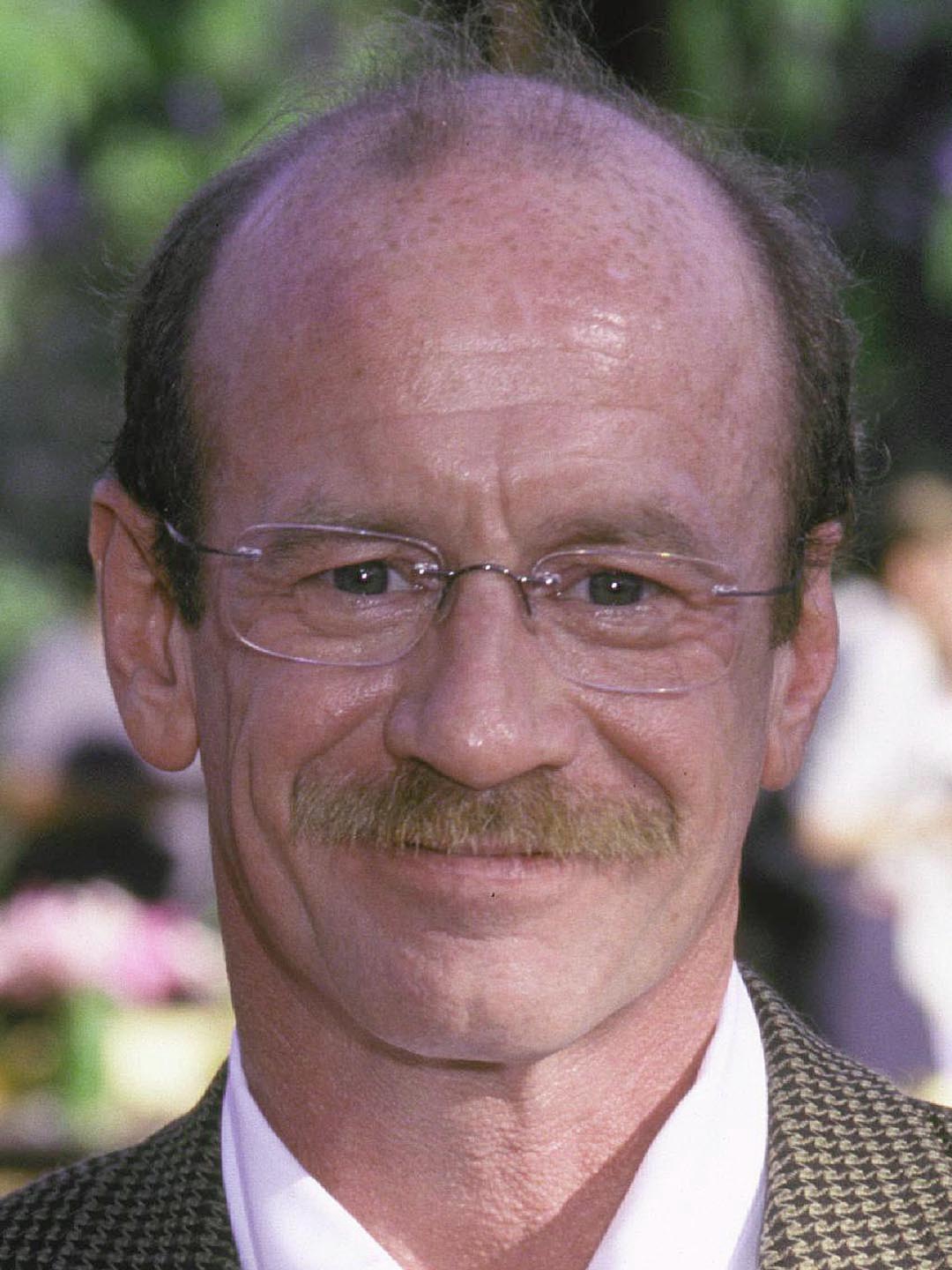
Emil WilsonGuest
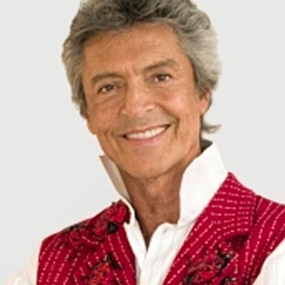
Brett BennerHost
Well, it's such an interesting thing to me because years ago, my perception of what a graphic novel was was-

And it hasn't been until, till the last few years that I've really started to s- to look at them more.

And you know, it's funny because my kids in school, they were taught Persepolis, and so that to me was one of the first times that I'd looked at something and been like, "This is so fascinating."

And what I find incredible about it, and it speaks so much of it too, and yours, is the different ways that so much can be conveyed without using text, actually.

And that's kind of an incredible thing because we think of like, "Oh, books," you know.

But to suddenly see these kind of moments that are happening in this that have no words to them is so powerful to me and so beautiful.

When I was making this book, I found that the, the making of it felt much more like filmmaking in a lot of ways-

... than it was writing because you're constantly thinking about what's the viewer seeing, what's the expression on these people's faces.

You don't have the benefit of performance, but you have everything else at your disposal pretty much.

And also because I don't-- It doesn't look like a traditional comic, I didn't feel constrained with having it be like a storyboard, and that was really freeing for, for me.

Just technically explain something for me, and then in a second, I want you to tell our viewers and our listeners your logline for the book.

So when you actually did this, just technically, did you do a lot of this in watercolors, and then they reproduced them, or did you just do it in the style of? Does that make sense?

I mean, the, the trick, which I don't know if you're asking, is, is that I have incredible control issues when it comes to art.
The rest of this transcript — segmented and speaker-labeled, so you land on the exact moment something was said
Search every transcript — by keyword, by phrase, or by meaning, across every show Radar indexes
Trends — what is surging across podcasts, measured against its own baseline
Alerts — when a name you follow appears in a newly indexed episode
No account is needed to search Radar.