Patient Empowerment Program: A Rare Disease Podcast
Jun 17, 2026 · 53 min · 14 segments
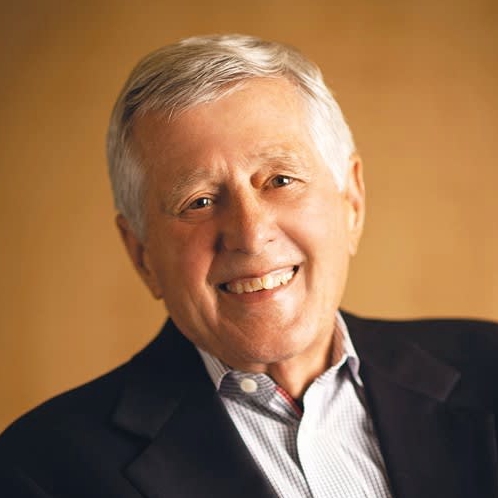
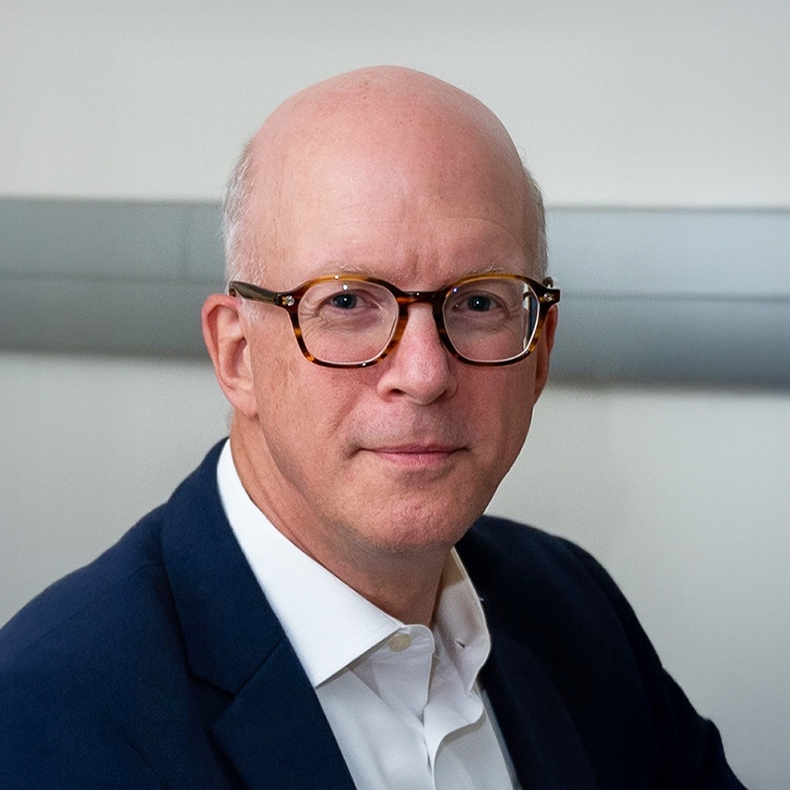
In this episode of the n-Lorem Patient Empowerment Program Podcast, Dr. Stan Crooke is joined by n-Lorem patient Bill O’Sullivan and Dr. Neil Shneider to discuss Bill’s experience living with a rare…
Bill O'SullivanGuest
Stan CrookeHost
Neil ShneiderGuest
So when I was diagnosed, Hershey, Dr. Simmons there, recommended that i do a gene test to check for the normal um familiar genes and i never heard of familiar neither so i didn't know how to spell that i had to write that down and um so you know um we had the test and it came back with chchd10 actually i started researching it my daughter um she dug into it really deep because, you know, we were talking about it and she found that, uh, that Dr. Schneider was studying it and doing a lot of work with CHD10 up there in New York and also the NIH in Bethesda.

Actually, it was within the same one week and it followed up the next week.

And naturally with you guys, it's amazing that we're able to do and where we're at today and very thankful.

And so am I. I talk about the miracles of science all the time because I think science is miraculous and that I happen to be at the edge of it here.

In fact, Neil, do you remember, I'm sure you do, when was CHCHV10 identified as a genetic cause of ALS?

There were other neurological diseases, but the ALS mutations were discovered, I think, eight to ten years ago, approximately.

So that's really amazing when you think about it, that in all the history of humanity before you, Bill, there was no way anyone could have known that you had this problem and could identify it and make a diagnosis.

There's a lot of things that had to be aligned, and I think that's probably true for a lot of rare diseases and diseases.

I think what you were describing, they were actually looking at it for frontal dementia more than ALS.


So when I was diagnosed, Hershey, Dr. Simmons there, recommended that i do a gene test to check for the normal um familiar genes and i never heard of familiar neither so i didn't know how to spell that i had to write that down and um so you know um we had the test and it came back with chchd10 actually i started researching it my daughter um she dug into it really deep because, you know, we were talking about it and she found that, uh, that Dr. Schneider was studying it and doing a lot of work with CHD10 up there in New York and also the NIH in Bethesda.

Actually, it was within the same one week and it followed up the next week.

And naturally with you guys, it's amazing that we're able to do and where we're at today and very thankful.

And so am I. I talk about the miracles of science all the time because I think science is miraculous and that I happen to be at the edge of it here.

In fact, Neil, do you remember, I'm sure you do, when was CHCHV10 identified as a genetic cause of ALS?

There were other neurological diseases, but the ALS mutations were discovered, I think, eight to ten years ago, approximately.

So that's really amazing when you think about it, that in all the history of humanity before you, Bill, there was no way anyone could have known that you had this problem and could identify it and make a diagnosis.

There's a lot of things that had to be aligned, and I think that's probably true for a lot of rare diseases and diseases.

I think what you were describing, they were actually looking at it for frontal dementia more than ALS.

The rest of this transcript — segmented and speaker-labeled, so you land on the exact moment something was said
Search every transcript — by keyword, by phrase, or by meaning, across every show Radar indexes
Trends — what is surging across podcasts, measured against its own baseline
Alerts — when a name you follow appears in a newly indexed episode
No account is needed to search Radar.