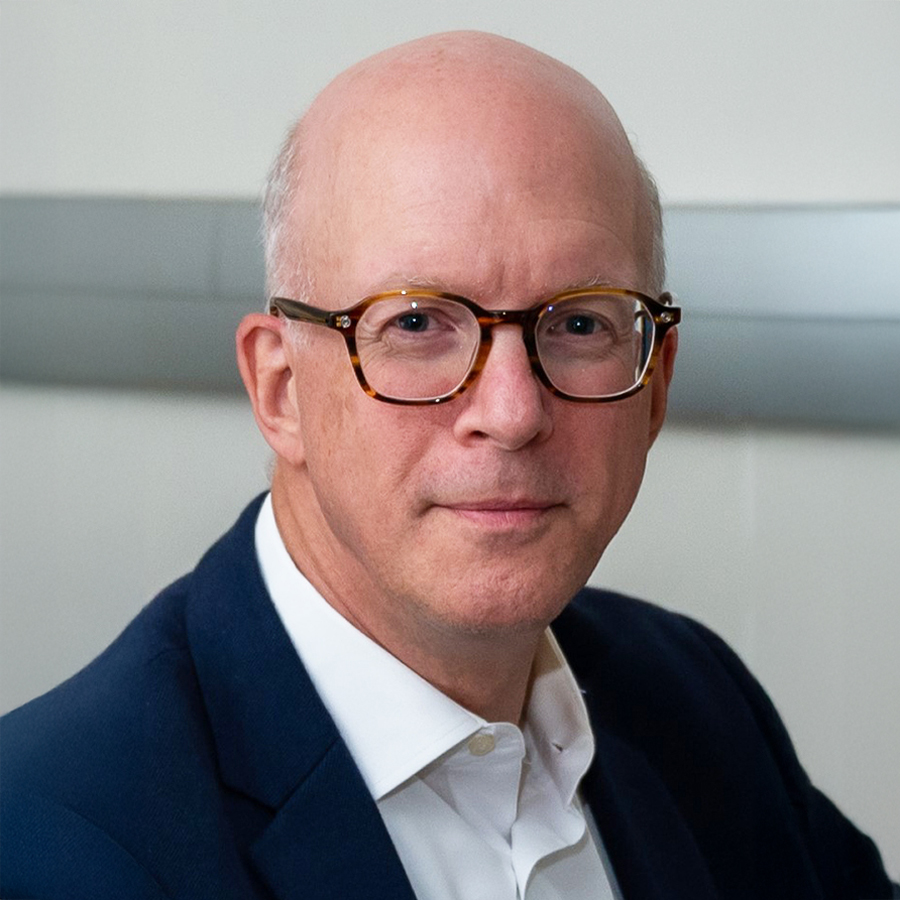
Neil A. Shneider
Researcher
2
APPEARANCES
1
PODCASTS
Aug 5, 2026

Stan CrookeHOST
I, and why don't, um, why don't, why don't we talk about that for just a minute? What, what is it like for you to be able to say, "I have some hope to give," as opposed to, "I really don't"?

Neil ShneiderGUEST
Well, I mean, I, I think it's important, uh, to say that, um, ALS still in twenty twenty-six is a deadly disease, um, for the, for the majority of, of patients, um, who receive that diagnosis.
Neil ShneiderGUEST
Um, and, um, you know, it's a, it's, it's a painful thing to tell a patient that they have ALS.
Neil ShneiderGUEST
Um, and, um, it is, um, still standard of care in ALS for the most, for most of our patients, that the care is supportive care.
9 MINS LATER

Neil ShneiderGUEST
Yeah, and as he says, stable, if not a little bit better than when we first started.
Neil ShneiderGUEST
I mean, Bill is perhaps amongst the most colorful of his family members, but there are many colorful members of this Bauer family that I've met.
6 MINS LATER
Stan CrookeHOST
But to have been at the leading edge of ALS, had the opportunity to work with Jason Fuchin and SOD1, the first actually truly effective treatments for ALS, it must be incredibly exciting and gratifying.