How this pastor became disillusioned with bridge-building
Sep 29, 2026 · 44 min · 11 segments
Our guest this episode is a chaplain and journalist who's travelled the country speaking to conservative Christians, and facilitating discussions about politics and division. But she's come to…
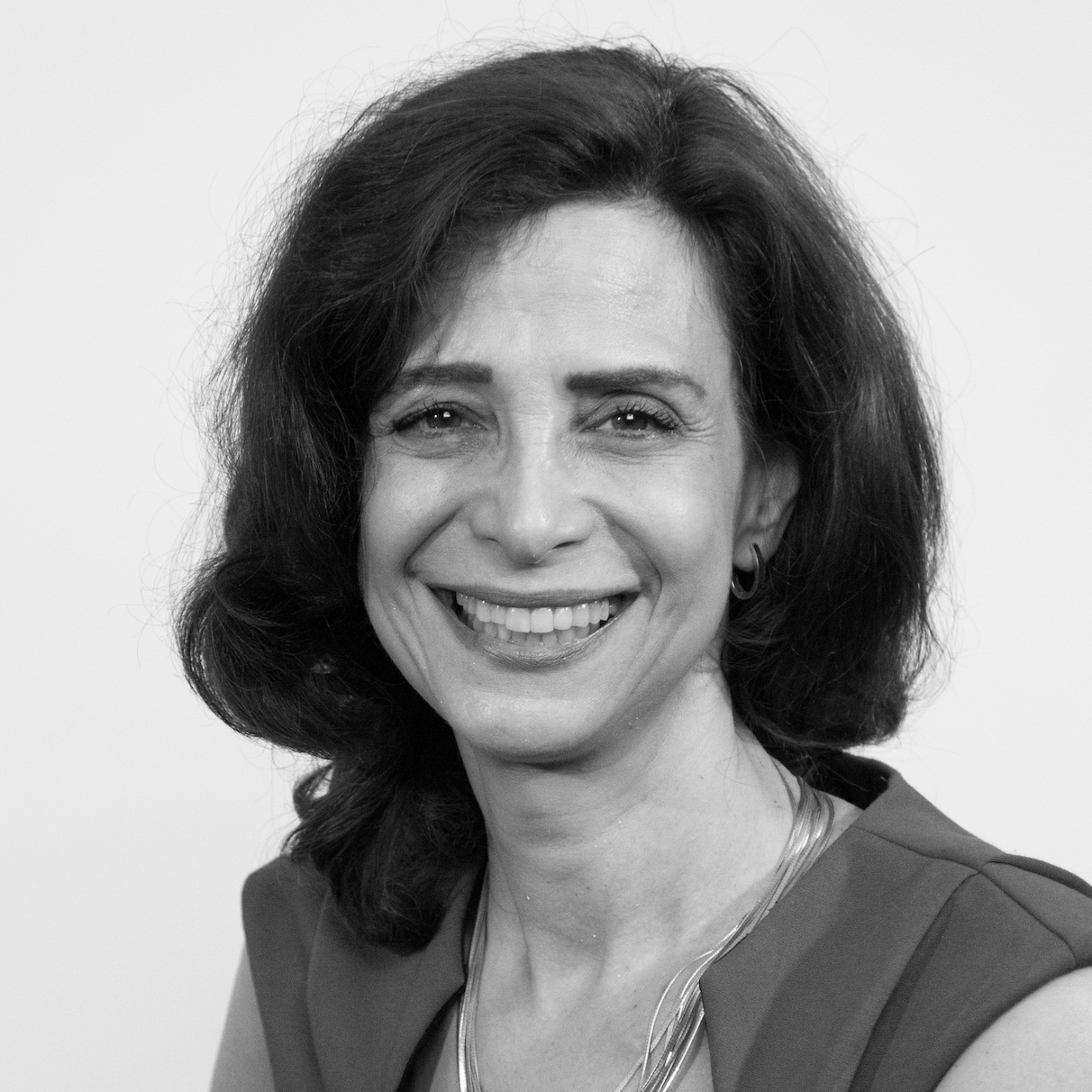
Our guest this episode is a chaplain and journalist who's travelled the country speaking to conservative Christians, and facilitating discussions about politics and division. But she's come to believer those efforts are ineffective, and shifted her focus to combatting Christian Nationalism. This is episode 6 in Making Peace Visible's special series, Beyond Polarization. In episodes 1 through 5, we spoke to Americans invested in bridging political divides through journalism, social media, higher education and in civil society. This episode, with a spotlight on religion, examines the limits of trying to find common cause with people you disagree with. Angela Denker is an ordained Lutheran pastor and a journalist based in Minneapolis, Minnestoa. She's the author of two books: Red State Christians (2019), and Disciples of White Jesus: The Radicalization of American Boyhood (2025). Having grown up with a mix of Baptist, Evangelical and mainline Protestant influences, Angela eventually embraced a more liberal Christianity and progressive politics. While researching her first book, she saw some openness to dialogue and empathy for immigrants, for instance. But she says, by and large, efforts at bridge building between liberal and conservative Christians have fallen flat. Her second book focuses on the threat of Christian Nationalism, particularly among young white men and boys. In this interview, Denker speaks about why she thinks there are more important threats to the country and the church than polarization. And she makes a case for why we should be paying more attention to the role of religion in American politics today. We also touch on Denker's experiences and writing during ICE's Operation Metro Surge in Minneapolis. **More from Angela Denker:** Substack: I'm Listening "I Am a Minneapolis Mother and Pastor, and I Know Where I Stand", The New Republic, January 2026 Writer and pastor Angela Denker investigates what's going on with young white men in America, interview by Sarah McCammon, March 2025 "The End of Dialogue?" Church Anew, December 2020 "Why I’m Teaching a Class on Political Dialogue When No One Wants to Talk to Each Other", Faith+Lead, February 2020 \*\** JOIN US ON ZOOM! POLARIZATION, THE MIDTERMS AND WHAT COMES NEXT Producing this series has given us a lot to think about. And we'd love to talk through some of it with you. Please join us at 7PM EDT on Tuesday, October 27th for an open discussion of the themes raised on Beyond Polarization, and how you're thinking about the 2026 midterm elections. RSVP here. **ABOUT THE SHOW** The Making Peace Visible podcast is hosted by Jamil Simon and produced by Andrea Muraskin. The associate producer and graphic designer is Faith McClure. Learn more at makingpeacevisible.org Support our work **Connect on social:** Instagram @makingpeacevisible YouTube @makingpeacevisible LinkedIn @makingpeacevisible Bluesky @makingpeacevisible.bsky.social Making Peace Visible is a proud member of The Democracy Group, a network of podcasts dedicated to creating a more informed, civically engaged electorate. We want to learn more about our listeners. Take this 3-minute survey to help us improve the show!
Our guest this episode is a chaplain and journalist who's travelled the country speaking to conservative Christians, and facilitating discussions about politics and division. But she's come to…