Jul 28, 2026 · 44 min · 15 segments
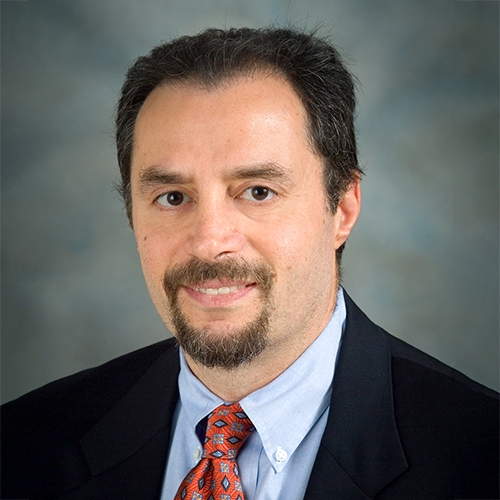
In this special episode, Chadi sits down with one of the most influential figures in modern leukemia research and care: Hagop M. Kantarjian, MD, Professor and Samsung Distinguished Leukemia Chair in…
Hagop KantarjianGuest
Chadi NabhanHost
So let's just start by how, when you first started, how, how were things? How was your thinking process? How was research at the time? And then how did things evolve?

So just as, [clears throat] um, as a background, when we think of leukemias, we divide them in our mind into the acute and chronic leukemia, and that's based on the course of the diseases if untreated.

And then we divide them by the cell of origin, so in simple ways, myeloid versus lymphoid.

So you have four main kinds of leukemia: acute myeloid leukemia, acute lymphocytic leukemia, chronic myeloid leukemia, and chronic lymphocytic leukemia.


But I w- I like to divide them based on how the research has advanced from 1981 till now.

So if you think about them, in 1981, most of the leukemias were in what is called unfavorable category, meaning their five-year survival was less than 30%.

There was one intermediate leukemia, acute promyelocytic leukemia, and that's because, uh, anthracyclines were discovered in the '70s.

So with anthracyclines, acute promyelocytic leukemia had a five-year survival of about 40%, and then there were no favorable leukemias.

There were no leukemias where you could say that the five or 10-year survival is, uh, above, uh, 70%.

So when I started in 1981, the two acute leukemias, AML and ALL, were curable at the rate of 20% with intensive chemotherapy.


You fast-forward to today, most of the leukemias have shifted to the favorable category, meaning we expect their survival to be over 70% or 80% at five to 10 years.

Then we have an intermediate group of leukemia, where also there are substantial subsets.


So if you like, I could take you through the progress in each of these entities and, uh, uh-

... going from the most favorable to the least favorable, but also to show that there's no one path for curing cancer.

Uh, a lot of it is trial and error, and also much of it is deciphering the pathophysiology of particular leukemias and then developing drugs that target those pathophysiologies.

So let's just start by how, when you first started, how, how were things? How was your thinking process? How was research at the time? And then how did things evolve?

So just as, [clears throat] um, as a background, when we think of leukemias, we divide them in our mind into the acute and chronic leukemia, and that's based on the course of the diseases if untreated.

And then we divide them by the cell of origin, so in simple ways, myeloid versus lymphoid.

So you have four main kinds of leukemia: acute myeloid leukemia, acute lymphocytic leukemia, chronic myeloid leukemia, and chronic lymphocytic leukemia.


But I w- I like to divide them based on how the research has advanced from 1981 till now.

So if you think about them, in 1981, most of the leukemias were in what is called unfavorable category, meaning their five-year survival was less than 30%.

There was one intermediate leukemia, acute promyelocytic leukemia, and that's because, uh, anthracyclines were discovered in the '70s.

So with anthracyclines, acute promyelocytic leukemia had a five-year survival of about 40%, and then there were no favorable leukemias.

There were no leukemias where you could say that the five or 10-year survival is, uh, above, uh, 70%.

So when I started in 1981, the two acute leukemias, AML and ALL, were curable at the rate of 20% with intensive chemotherapy.


You fast-forward to today, most of the leukemias have shifted to the favorable category, meaning we expect their survival to be over 70% or 80% at five to 10 years.

Then we have an intermediate group of leukemia, where also there are substantial subsets.


So if you like, I could take you through the progress in each of these entities and, uh, uh-

... going from the most favorable to the least favorable, but also to show that there's no one path for curing cancer.

Uh, a lot of it is trial and error, and also much of it is deciphering the pathophysiology of particular leukemias and then developing drugs that target those pathophysiologies.
The rest of this transcript — segmented and speaker-labeled, so you land on the exact moment something was said
Search every transcript — by keyword, by phrase, or by meaning, across every show Radar indexes
Trends — what is surging across podcasts, measured against its own baseline
Alerts — when a name you follow appears in a newly indexed episode
No account is needed to search Radar.