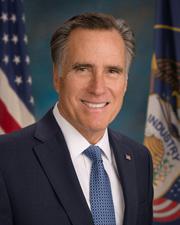
Conservative Crossroads with Henry Olsen
Jul 28, 2026 · 59 min · 12 segments
Should conservatives abandon their opposition to increasing taxes, or should they retain the long standing policy? Here to argue in the affirmative that they should abandon that is…
Oren CassGuest
Henry OlsenHost
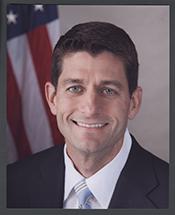
All right, well, thank you, Henry, for convening this discussion, Grover for joining.

I guess I will start maybe just at the level of principle and talk about what we mean by conservatives, because of course, I can think of people who wouldn't want to consider raising taxes, people who want to see the US collapse into communism, maybe anarchists and so forth.

One is that conservatives rightly view ourselves as the trustees of a great nation that we've inherited.

We recognize the intergenerational nature of the compact and our obligation to hand on something to the next generation even better than we received it.

And finally, we recognize that culture matters and prudential statesmanship is not just a matter of conducting policy well, but really sets the tone for many other things in the country.

And if you take all of that seriously, then I think you have to look at the fiscal picture that we find ourselves in and recognize, first of all, that it's quite dire.

We are now at the level of debt relative to GDP that we last saw right at the conclusion of World War II.

And I think of particular note, the interest payments that we are making on the debt is now itself driving the debt.

That is sort of the point at which you're not just warning that we might have a fiscal crisis to come.

And so one thing I'm very much looking forward to discussing with Grover is whether there might be any alternative.

I don't imagine he thinks that the status quo is sustainable, though I'll let him speak for himself.

But if we assume that we need to address this situation, the question is how to do it.

I think spending cuts need to be a serious element, probably even the majority of the solution.

But I think that increasing taxes, first of all, given these circumstances, is appropriate and reasonable.

And secondly, that regardless, it is the only way to reach the kind of political compromise we need to achieve.

That is, there is no political path to achieving spending cuts without any tax increase.

What would this look like? Why do we need it? Obviously, I mentioned the state of the deficit and what we're looking at.
The rest of this transcript — segmented and speaker-labeled, so you land on the exact moment something was said
Search every transcript — by keyword, by phrase, or by meaning, across every show Radar indexes
Trends — what is surging across podcasts, measured against its own baseline
Alerts — when a name you follow appears in a newly indexed episode
No account is needed to search Radar.