WORLD NEWS: A Prize in Oslo, A Bus Stop in Kramatorsk | October 9, 2026
Oct 9, 2026 · 16 min · 10 segments
Subscribe to the Winrad Dispatch: https://winradradio.substack.com/ October 9, 2026. The Nobel Peace Prize goes to Navi Pillay, a South African jurist born under apartheid. The committee could not…
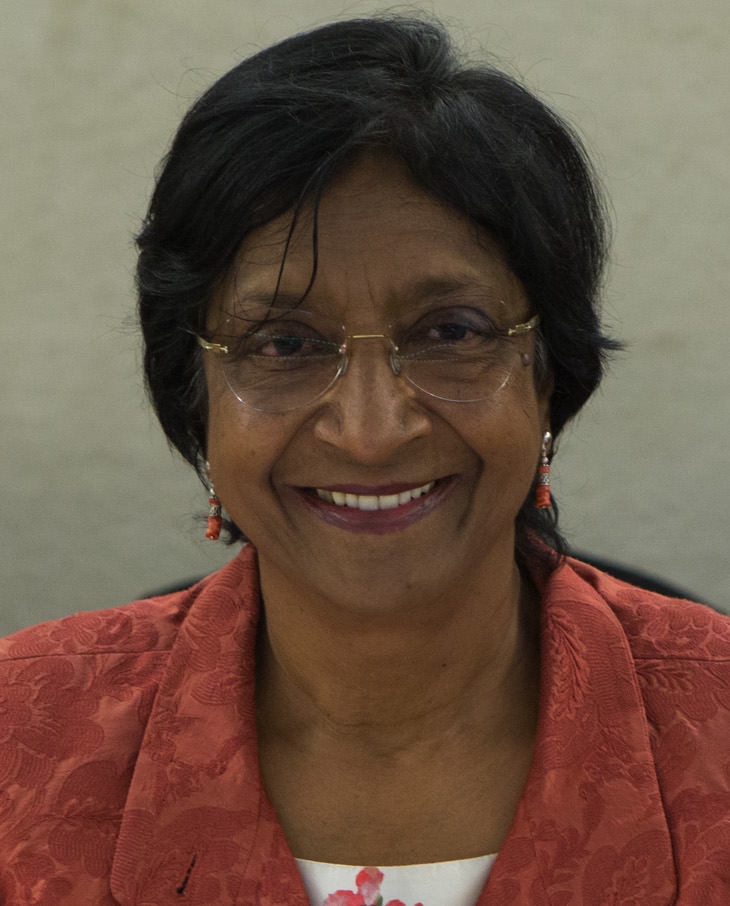
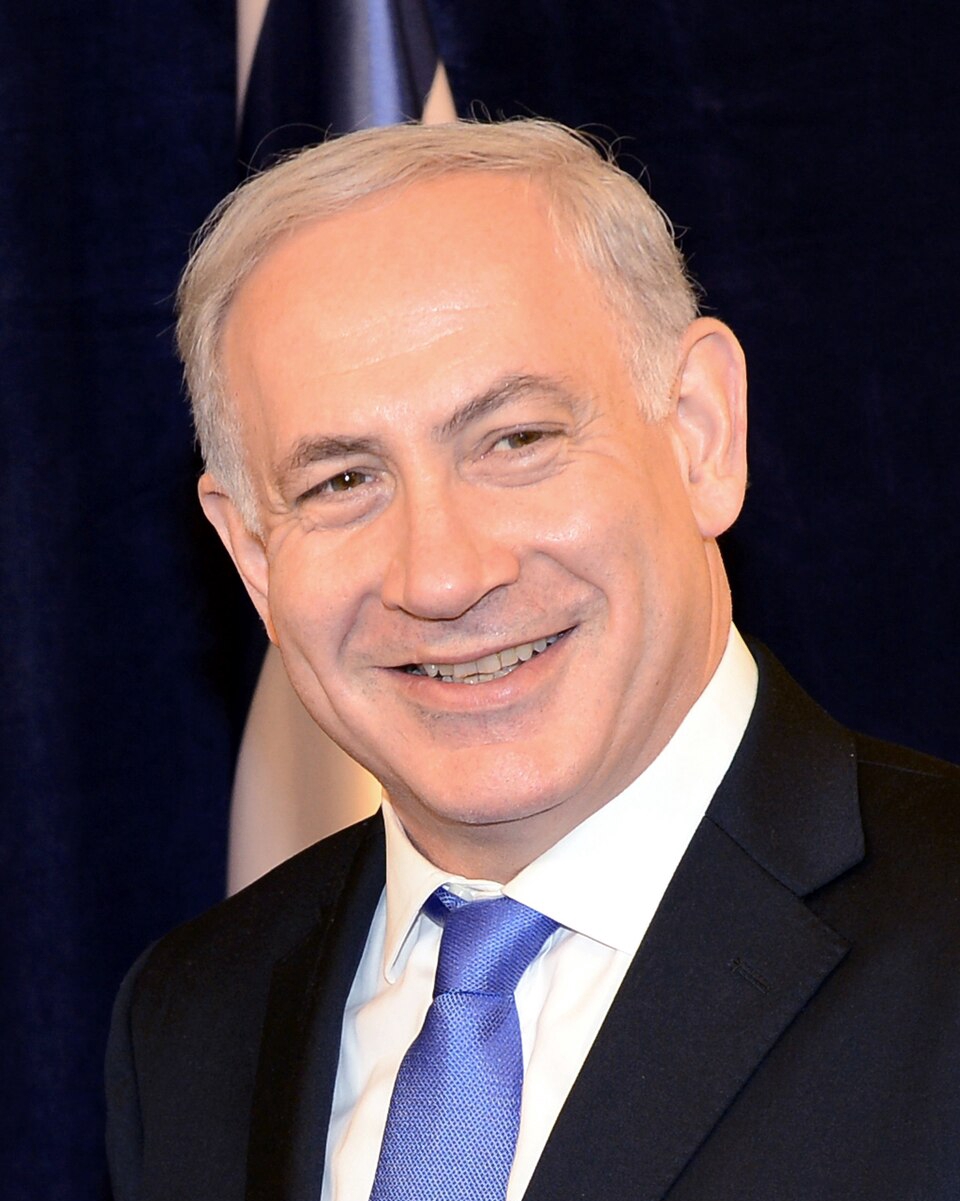
Subscribe to the Winrad Dispatch: https://winradradio.substack.com/ October 9, 2026. The Nobel Peace Prize goes to Navi Pillay, a South African jurist born under apartheid. The committee could not reach her by telephone. Yesterday Russian glide bombs struck two minibuses in Kramatorsk and killed thirty-three people. Tonight's report: • The Peace Prize to Navanethem "Navi" Pillay, "for her efforts to promote peace and international law." Mandela's nominee to South Africa's High Court, president of the Rwanda tribunal, UN human rights chief, now at the ICJ• She is also a contested figure and we say so. She chaired the UN inquiry that found Israel committed genocide in Gaza; Israeli officials, Jewish organisations and over 100 US House members have criticised that work. Defenders say she applied the same law to every government. Trump was among those nominated and not chosen• Kramatorsk: glide bombs on two minibuses. Thirty-three dead per Ukraine's emergency service, twenty-two injured. Earlier reports said "at least 30" and we use the later figure• Kyiv went dark. Four killed, nineteen injured. Most neighbourhoods without power by 8 p.m., metro halted, water scarce. Not the "three million" figure going around, which the source itself does not have• Ukraine hit the Omsk refinery, Russia's largest, 2,500 km out. Rubio says a negotiated end is "currently unattainable"• Trump says no strike on Iran before the November midterms. The same day, the NYT reports he ordered plans for a three-day campaign, discussed at Camp David. Unnamed sources, not approved, and he has vetoed five such proposals• Treasury sanctions seventeen shadow-fleet tankers under "Operation Economic Outcast"• One year of the Gaza ceasefire: 100+ organisations say it exists "in name only." 1,400 killed including 327 children, 10,000 bodies still under rubble, none of 36 hospitals fully working. Their figures and characterisation; legal conclusions contested• Netanyahu's former military secretary says the PM's chief of staff tried to alter records of their October 7 phone calls. Netanyahu denies it. Eisenkot wants a criminal probe. Election in eighteen days• Taiwan's Lai asks Washington to move "from military procurement to joint research and development and joint production"• Hurricane Isaias, now category two at 85 mph, comes ashore tonight. Mandatory evacuations in Escambia, Walton and Okaloosa counties and Dauphin Island Followed by "From the Homefront" — Dorothy Wilson makes pineapple upside down cake, the one that came out of a 1925 contest. Ten minutes, then turn it out. About $6 for eight. This is a news presentation, not opinion. Where accounts conflict, both are given. The "Winrad Broadcasting Service" is fictional. All voices are AI-generated. No affiliation with any actual news organization. SOURCES: Al Jazeera — https://www.aljazeera.com/news/2026/10/9/2026-nobel-peace-prize-awarded-to-navi-pillayKyiv Independent — https://kyivindependent.com/ukraine-war-latest-russian-glide-bomb-strikes-in-kramatorsk-kill-at-least-33/Times of Israel — https://www.timesofisrael.com/liveblog-october-08-2026/Arab News — https://www.arabnews.com/middle-east/former-military-secretary-accuses-netanyahu-of-trying-to-alter-oct-7-records-3005289State Department — https://www.state.gov/releases/office-of-the-spokesman/2026/10/operation-economic-outcast-sanctions-on-irans-shadow-fleet-networkAmnesty International — https://www.amnesty.org.au/gaza-ceasefire-exists-in-name-only-say-more-than-100-organizations/Taipei Times — https://www.taipeitimes.com/News/taiwan/archives/2026/10/09/2003865664weather.com / NHC — https://weather.com/2026/10/08/storms/hurricane/liveblogs/hurricane-isaias-live-updatesoilprice.com — https://oilprice.com/Latest-Energy-News/World-News/Brent-Holds-Above-100-as-Hormuz-Tanker-Traffic-Hits-Two-Month-Low.html Full sources and recipe verification are in the Substack edition.
Subscribe to the Winrad Dispatch: https://winradradio.substack.com/ October 9, 2026. The Nobel Peace Prize goes to Navi Pillay, a South African jurist born under apartheid. The committee could not…