Oct 9, 2026 · 2 hr 14 min · 9 segments
There are so many people! There are so few things! Are we going to run out? Is the earth going to hell? How on earth (pun intended) can markets help? People are brains, not stomachs. No, we’re not…
Shruti RajagopalanHost
Amit VarmaHost
Pranay KotasthaneHost
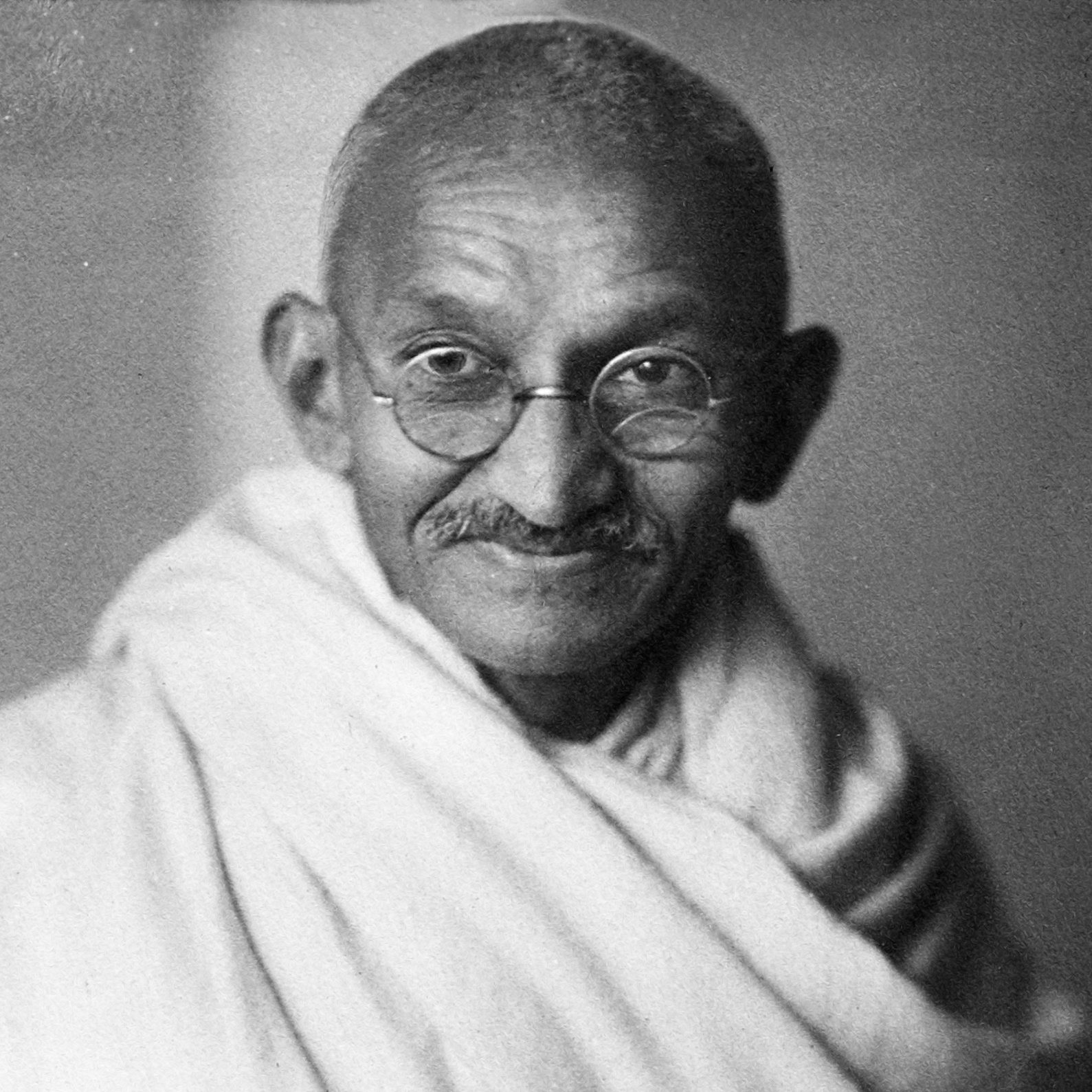
You've seen the title of this episode, Are We Running Out of Things? What does it refer to? Now, Mahatma Gandhi once said, the world has enough for everyone's need, but not enough for everyone's greed.

right people love quoting this i think ram also quoted this it was quoted to me in another debate you will see in a few days where i talk about capitalism on youtube on a show called wtf discourse and here's the thing the quote sounds great right it makes you feel righteous and virtuous but let's kind of break it down like first of all how do you even define greed is my question i have an expensive smartphone i have a laptop are those greed uh you know shruti and i mentioned the other day we wear swiss watches is that greed You know, what is greed? Everything we spend money on is creating livelihoods for others.

A lot of what we would have considered greed or even magic 100 years ago because it didn't exist are today just a standard part of everyone's life.

and just think about the sentence it makes into it seems to make intuitive sense that the world has a limited number of things every economist will tell you scarcity is an essential reality about the world economics is about how we deal with scarcity so obviously as population grows aren't we going to run out of things so in part one I am going to address that.

I'm going to address the notion of are we going to run out of things? And is there such a thing as too many people? Now, when I was in school, and no doubt when you were in school, we were all taught that population, especially overpopulation is one of India's problems.

And today I'm going to talk about it a little bit about where that line of thinking comes from.

Now, as Shruti mentioned in the past episode, it reflects zero-sum thinking, right? I have done an earlier episode of Everything is Everything also where I talk about certain cognitive fallacies or biases.

which we are hardwired with, and one of them is zero-sum thinking, because our instincts evolved in prehistoric times, 100,000 years ago, you're living in small tribes, everything is scarce, and everything appears to be zero-sum.

If you have one more cut of the deer which you just hunted, your fellow can't get it.

Now, I have spoken at such length about this that I won't belabor this point too much right now.

But let's talk about when people really seriously started worrying about the population because it crept into policy over time, it had humanitarian consequences, and it still rules the way people think about the world.

In 1798, Malthus wrote an influential book where he said that overpopulation was a problem.

His logic was this, that human beings' population is going to expand exponentially while things expand arithmetically.

So at one point, you are going to have a disaster where the population will be too much and we'll run out of things.
The rest of this transcript — segmented and speaker-labeled, so you land on the exact moment something was said
Search every transcript — by keyword, by phrase, or by meaning, across every show Radar indexes
Trends — what is surging across podcasts, measured against its own baseline
Alerts — when a name you follow appears in a newly indexed episode
No account is needed to search Radar.