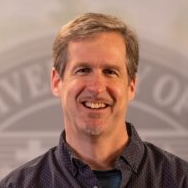
Evolution and the Meaning of Everything | Dr. Daniel Kuebler
Jul 25, 2026 · 57 min · 9 segments
We have come to know more about our universe today than ever before. But can scientists tell us why the universe exists or what it means to be human? In this episode of Stunned by Scripture, Dr…
We have come to know more about our universe today than ever before. But can scientists tell us why the universe exists or what it means to be human? In this episode of Stunned by Scripture, Dr. John Bergsma and molecular biologist Dr. Daniel Kuebler, author of Darwin and Doctrine, explore the relationship between modern science and the Catholic Faith. Together they show why the biggest questions of human existence reach beyond what science alone can answer. In this installment, you'll discover: how Catholic teaching provides a framework for understanding evolution, why science can explain mechanisms but not meaning, and why the search for truth requires both scientific inquiry and philosophical reflection. Join Dr. Bergsma and Dr. Kuebler for this thoughtful conversation about the deeper questions of the universe. ✨ Get the Ignatius Catholic Study Bible for FREE ➡️ https://stpaulcenter.com/memberships \_\__ Other ways to grow with the St. Paul Center: ⛪️ If you're a Priest looking to attend one of our annual Priest Conferences: https://stpaulcenter.co/priestconferences 📖 Start a Bible study with the St. Paul Center: https://stpaulcenter.co/biblestudies ✈️ Go on a pilgrimage with us: https://stpaulcenter.co/pilgrimages 🛒 Browse our bookstore: https://stpaulcenter.co/emmausroadpublishing 🔥 Support our mission: https://stpaulcenter.co/donate \_\__ Follow the St. Paul Center on Social Media: Instagram: https://www.instagram.com/stpaulcenter?igsh=anloZXB4dDdjcHI1&utm\_source=qr Facebook: https://www.facebook.com/share/177cb1WMS5/?mibextid=wwXIfr X/Twitter: https://x.com/saintpaulcenter?s=21&t=8\4yim\uMnTcaKXDbGGuVQ #stpaulcenter #johnbergsma #stunnedbyscripture #drdanielkuebler #creation #evolution #christianity #science #philosophy
We have come to know more about our universe today than ever before. But can scientists tell us why the universe exists or what it means to be human? In this episode of Stunned by Scripture, Dr…