Aug 21, 2026 · 1 hr 43 min · 13 segments
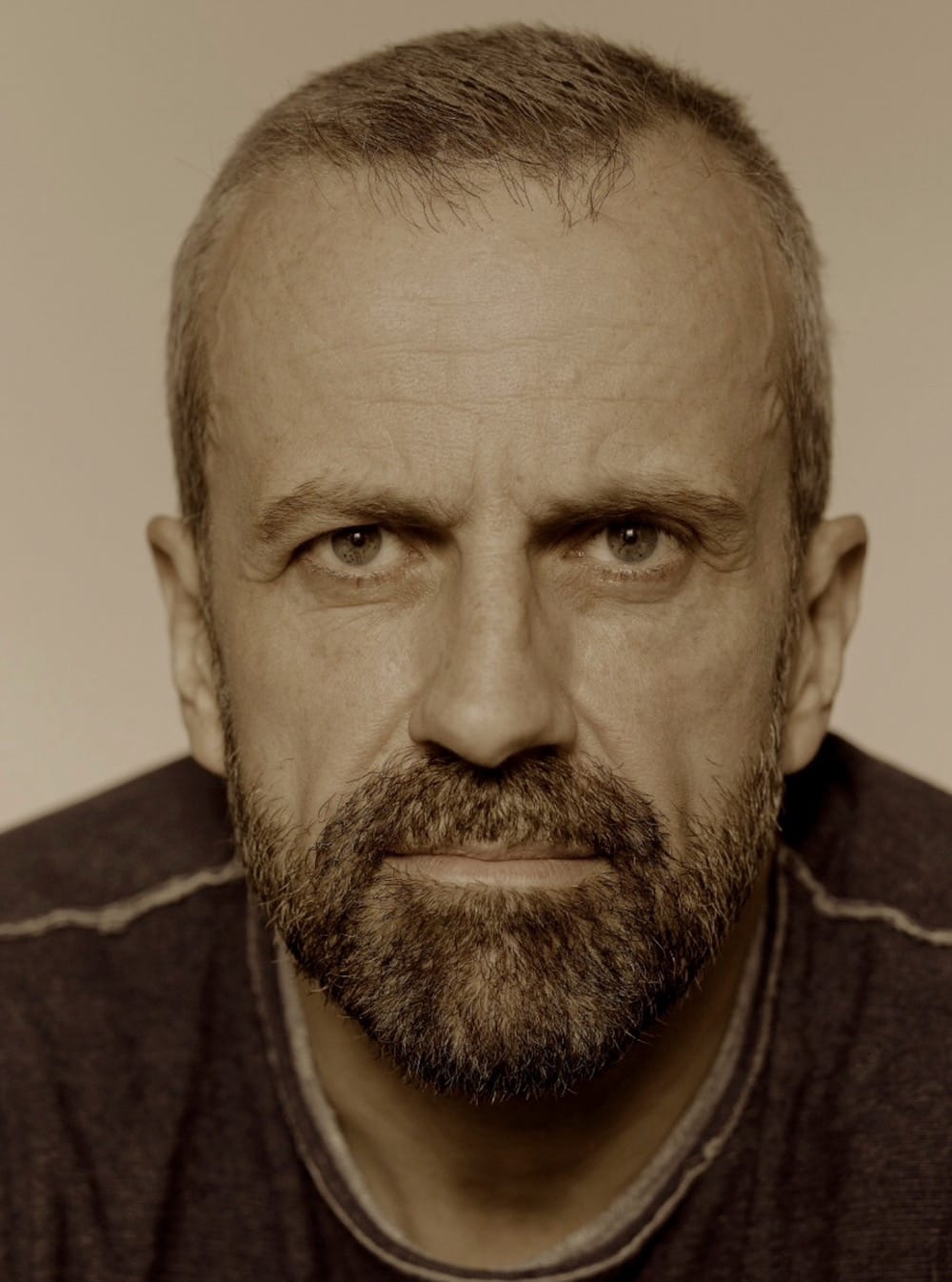
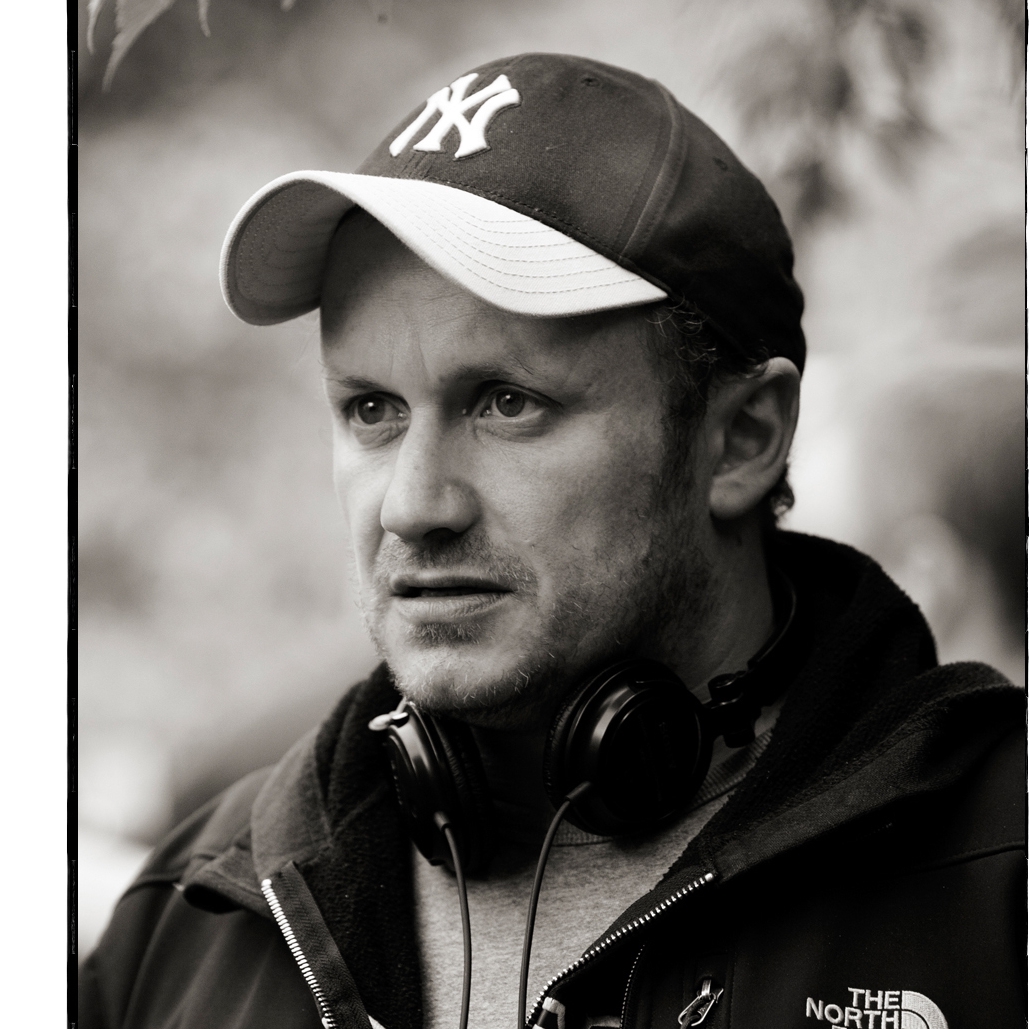
On this episode of Roll The Credits, Christina sits down with composer Stephen Rennicks, whose work includes Normal People, Room, The Quiet Girl, Frank, and Conversations with Friends. Stephen shares…
Stephen RennicksGuestChristinaHostWell, it's interesting you say that you originally wanted to be a filmmaker as in like a director, because when I listen to some of your projects, like it feels like you create music as a director in a way.
Like you let the characters ... be the characters and, like, you give them space with your music.
Like, there's some music composers that they're, it's overwhelming in, in good ways sometimes.
But I feel like with, with the way you compose, it really feels like you are adding color to the characters in a way that's very subtle.

I, I guess, you see, I, it, when, when people say I'm a composer, I kind of push back a little bit.

And it's not just semantics, 'cause I say, "Well, actually, I write music for film."
Hmm.

And actually, y- you know, and it is that collaborative process, and luckily I've worked with people who are very collaborative.

I mean, sometimes I'll hear things I've done or I will, there's a particular style of stuff which comes more easily to me.

But I think I can write probably in any style because it depends what the film needs and, and depends what the scene needs.

And when I'm talking to younger people who wanna do what I do, I'm always saying, and especially people who've come from maybe the background of being in a band or whatever, is to say, "Look, if you're listening to your music, you're failing.

If you're playing your music in a scene and you're listening, you shouldn't be listening.

Y- you know, really, and I, I alluded it to it when we were, when we chatted the other day, that idea that if you're thinking, "Oh, this is a really beautiful piece, and I can imagine this doing really well on the original soundtrack when it comes out, and I'm gonna get loads of hits on Spotify," whatever, you will end up definitely with a reputation for somebody who thinks that the music is more important.
Hmm.

And maybe not doing very well, because ultimately you're not doing your job, which is to be, the music is there like the costume and the scenery and the acting, and it's a part of the overall thing.

You have to be quite emotionally robust in filmmaking because you're having to be creative to a deadline, and that can sometimes lead to kind of fr- a, a certain kind of fraught, um, and very tense set of circumstances.

Y- yeah, for me it is always about what does the music do to the scene, not how does the music sound.

I, I've listened, I've got a couple of absolute banger cues that are fantastic, that are kind of like [laughs] and I'm s- I don't know what I'm saving them for.
Well, it's interesting you say that you originally wanted to be a filmmaker as in like a director, because when I listen to some of your projects, like it feels like you create music as a director in a way.
Like you let the characters ... be the characters and, like, you give them space with your music.
Like, there's some music composers that they're, it's overwhelming in, in good ways sometimes.
But I feel like with, with the way you compose, it really feels like you are adding color to the characters in a way that's very subtle.

I, I guess, you see, I, it, when, when people say I'm a composer, I kind of push back a little bit.

And it's not just semantics, 'cause I say, "Well, actually, I write music for film."
Hmm.

And actually, y- you know, and it is that collaborative process, and luckily I've worked with people who are very collaborative.

I mean, sometimes I'll hear things I've done or I will, there's a particular style of stuff which comes more easily to me.

But I think I can write probably in any style because it depends what the film needs and, and depends what the scene needs.

And when I'm talking to younger people who wanna do what I do, I'm always saying, and especially people who've come from maybe the background of being in a band or whatever, is to say, "Look, if you're listening to your music, you're failing.

If you're playing your music in a scene and you're listening, you shouldn't be listening.

Y- you know, really, and I, I alluded it to it when we were, when we chatted the other day, that idea that if you're thinking, "Oh, this is a really beautiful piece, and I can imagine this doing really well on the original soundtrack when it comes out, and I'm gonna get loads of hits on Spotify," whatever, you will end up definitely with a reputation for somebody who thinks that the music is more important.
Hmm.

And maybe not doing very well, because ultimately you're not doing your job, which is to be, the music is there like the costume and the scenery and the acting, and it's a part of the overall thing.

You have to be quite emotionally robust in filmmaking because you're having to be creative to a deadline, and that can sometimes lead to kind of fr- a, a certain kind of fraught, um, and very tense set of circumstances.

Y- yeah, for me it is always about what does the music do to the scene, not how does the music sound.

I, I've listened, I've got a couple of absolute banger cues that are fantastic, that are kind of like [laughs] and I'm s- I don't know what I'm saving them for.
The rest of this transcript — segmented and speaker-labeled, so you land on the exact moment something was said
Search every transcript — by keyword, by phrase, or by meaning, across every show Radar indexes
Trends — what is surging across podcasts, measured against its own baseline
Alerts — when a name you follow appears in a newly indexed episode
No account is needed to search Radar.