May 30, 2026 · 1 hr 11 min · 22 segments
In the world's top research labs and universities, the race is on to invent the ultimate learning algorithm: one capable of discovering any knowledge from data, and doing anything we want, before we…
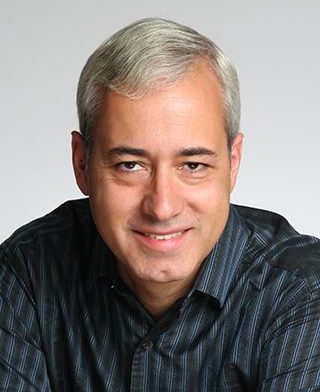
Pedro DomingosGuest
Gregory McNiffHost
Uh, I wrote the book because I felt there was a dire need for a book on machine learning that really explained clearly to people what it's all about.

We were at the point, uh, then where I felt machine learning was not just something for the experts to know.

It was something that everybody needed to understand, uh, as private citizens, uh, as professionals, et cetera.

Not understanding it at the level of understanding how the engine of a car works, that's for the mechanics, but at the level of understanding how to drive the car to take it where you wanna go.

Uh, and in fact, ever since I was a PhD student in the nineties, I always felt that someone should write a popular science book about machine learning.

Uh, but I didn't have a-- It didn't seem that urgent back then, and I also didn't have a very good idea of how to write the book, right? Because a popular science book isn't just a textbook.

It has to have a theme that, um, you know, it, it has to have a story, right? And, and then, you know, these two things happened in two thousand and twelve when I started writing the book.

There was the, you know, the big data explosion, and I was, and there was all this, like, nonsense being written in, you know, good publications.

And the books that had come out were all, in my, you know, view, kind of weak in different ways.

But also at the same time, I had this idea of the master algorithm, which really is, I think, the central idea around which all of machine learning revolves, uh, and, you know, hence it's the thought of the book.

And, and so I wrote the book as, you know, there's different ways you can write a popular science book.

One of them is the mystery, one of them is the quest, and this book is the story of the quest for the master algorithm that we in machine learning, some of us without knowing it, some of, some, some others very, you know, knowingly are on, and of how that's going to affect the world.

Uh, I, I guess, Pedro, to ask you the obvious question, as I mentioned, the book has been, um, at least ten plus years since publication.

Um, what has changed the most in AI and machine learning since you wrote it? And I should note, throughout the book, you refer to it as machine learning.

Do you consider those two terms comparable or synonymous? And if not, how would you differentiate them?

Uh, at the time that I wrote the book, the public had no idea what machine learning was.

And I remember thinking, if the only thing the book did was put that term machine learning in people's vocabulary, it would have been a success.
The rest of this transcript — segmented and speaker-labeled, so you land on the exact moment something was said
Search every transcript — by keyword, by phrase, or by meaning, across every show Radar indexes
Trends — what is surging across podcasts, measured against its own baseline
Alerts — when a name you follow appears in a newly indexed episode
No account is needed to search Radar.