Oct 18, 2026 · 1 hr 9 min · 12 segments
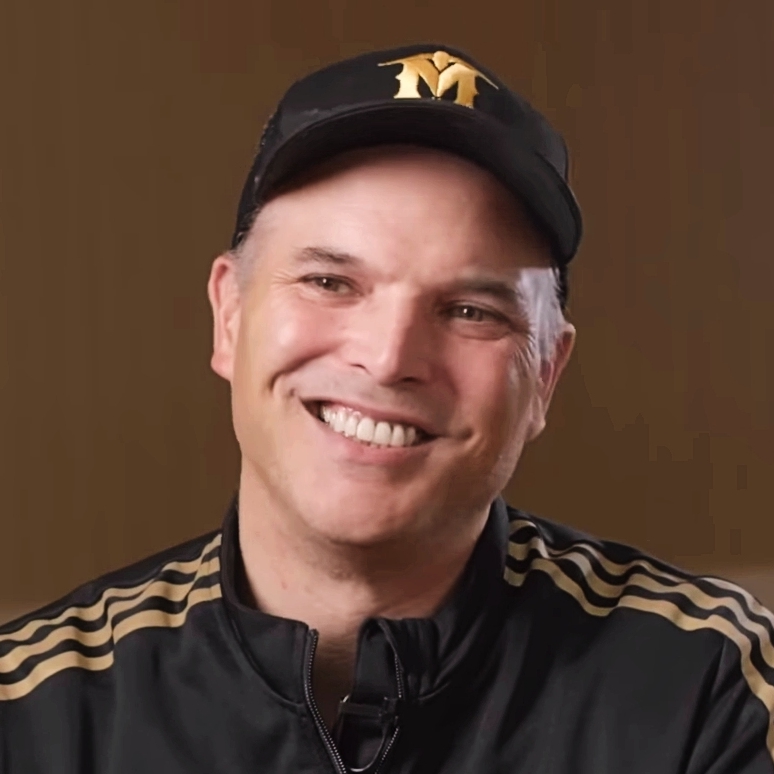
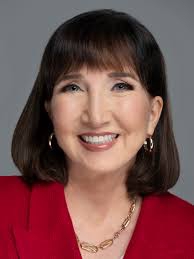
Dr. Kasie Whitener, Libertarian nominee for U.S. Senate in South Carolina, joins Maximum Libertarian to discuss the national debt, individual liberty, and why voters need an alternative to the…
Kasie WhitenerGuestBrianHostSo let's talk about the national debt.
What got you so, um, wound up about it besides it being $40 trillion? I mean, you gotta figure, I remember Ross Perot when he ran in '92, that was his big thing, and I remember reading Steve Ventura's book, and he said that Perot never planned to win a presidency.
All he wanted to do was bring the focus onto the national debt, and what was it? Six, $7 trillion at that time.
Now we're 2026 and we're 40 plus trillion.
So what brought you to the f- national debt as your main goal?

Well, the national debt has always been the reason I was interested in politics.
Okay

Um, even as an individual you're taught, like, not to take out credit card bills, not to take loans, like, the-- And, and we have a culture of doing that.

We have a culture of living beyond our means, and that has extended to Washington, and I just think it's negligence, um, and it's dereliction of duty.

Um, as far as this particular campaign cycle is concerned, in 2020 when we saw the, um, rapid rise of inflation, when we saw the, the Federal Reserve pushing so much digital currency into the space, like we saw there was just this, in my mind, recklessness as far as fiscal responsibility is concerned, and Congress didn't seem to be that concerned about it.

And then they had this crazy m- modern monetary theory conversation, and I think that's the thing that really sort of triggered me, [chuckles] um, was I was like, "Wait, what?" Somebody was just like, "Oh, well, we owe the money to ourselves, so we don't actually owe the money." I was like- That can't be true.

I teach, like I said, at the business school, so I have friends in the economics department.

And I went and, like, sit down in their office, and I'm like, "I need an economist.

Help me understand how this works," right? And as they-- 'cause they're teachers, so as they're able to explain it to me in their terms, and I just kinda get it in my terms, I'm like, why don't more people understand how this works? And it's because they don't want us to understand how it works.

If you've, um, ever read a book called "Griftopia" by Matt Taibbi, uh, you'll hear him talk about Alan Greenspan intentionally obscuring conversations around the Federal Reserve to confuse politicians so that they don't ask hard questions.
So let's talk about the national debt.
What got you so, um, wound up about it besides it being $40 trillion? I mean, you gotta figure, I remember Ross Perot when he ran in '92, that was his big thing, and I remember reading Steve Ventura's book, and he said that Perot never planned to win a presidency.
All he wanted to do was bring the focus onto the national debt, and what was it? Six, $7 trillion at that time.
Now we're 2026 and we're 40 plus trillion.
So what brought you to the f- national debt as your main goal?

Well, the national debt has always been the reason I was interested in politics.
Okay

Um, even as an individual you're taught, like, not to take out credit card bills, not to take loans, like, the-- And, and we have a culture of doing that.

We have a culture of living beyond our means, and that has extended to Washington, and I just think it's negligence, um, and it's dereliction of duty.

Um, as far as this particular campaign cycle is concerned, in 2020 when we saw the, um, rapid rise of inflation, when we saw the, the Federal Reserve pushing so much digital currency into the space, like we saw there was just this, in my mind, recklessness as far as fiscal responsibility is concerned, and Congress didn't seem to be that concerned about it.

And then they had this crazy m- modern monetary theory conversation, and I think that's the thing that really sort of triggered me, [chuckles] um, was I was like, "Wait, what?" Somebody was just like, "Oh, well, we owe the money to ourselves, so we don't actually owe the money." I was like- That can't be true.

I teach, like I said, at the business school, so I have friends in the economics department.

And I went and, like, sit down in their office, and I'm like, "I need an economist.

Help me understand how this works," right? And as they-- 'cause they're teachers, so as they're able to explain it to me in their terms, and I just kinda get it in my terms, I'm like, why don't more people understand how this works? And it's because they don't want us to understand how it works.

If you've, um, ever read a book called "Griftopia" by Matt Taibbi, uh, you'll hear him talk about Alan Greenspan intentionally obscuring conversations around the Federal Reserve to confuse politicians so that they don't ask hard questions.
The rest of this transcript — segmented and speaker-labeled, so you land on the exact moment something was said
Search every transcript — by keyword, by phrase, or by meaning, across every show Radar indexes
Trends — what is surging across podcasts, measured against its own baseline
Alerts — when a name you follow appears in a newly indexed episode
No account is needed to search Radar.