The Man Who Built the Metaverse Explains Why Meta Failed | Philip Rosedale
Aug 12, 2026 · 50 min · 13 segments
Corporate metaverses failed the moment big tech tried to turn human connection into a closed retail space. In this episode of Endgame, Second Life creator Philip Rosedale joins Amanda Cassatt to…
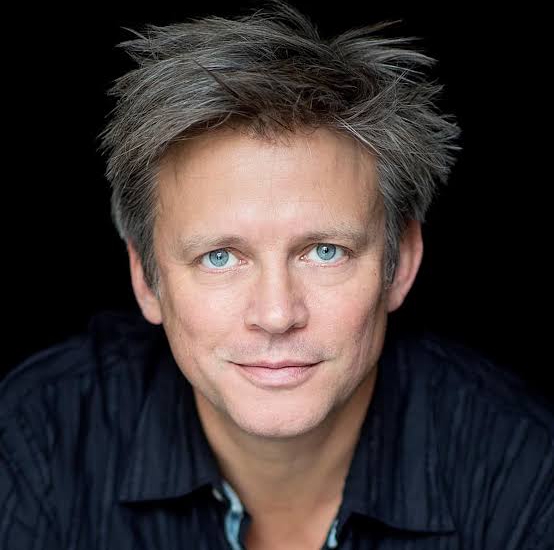
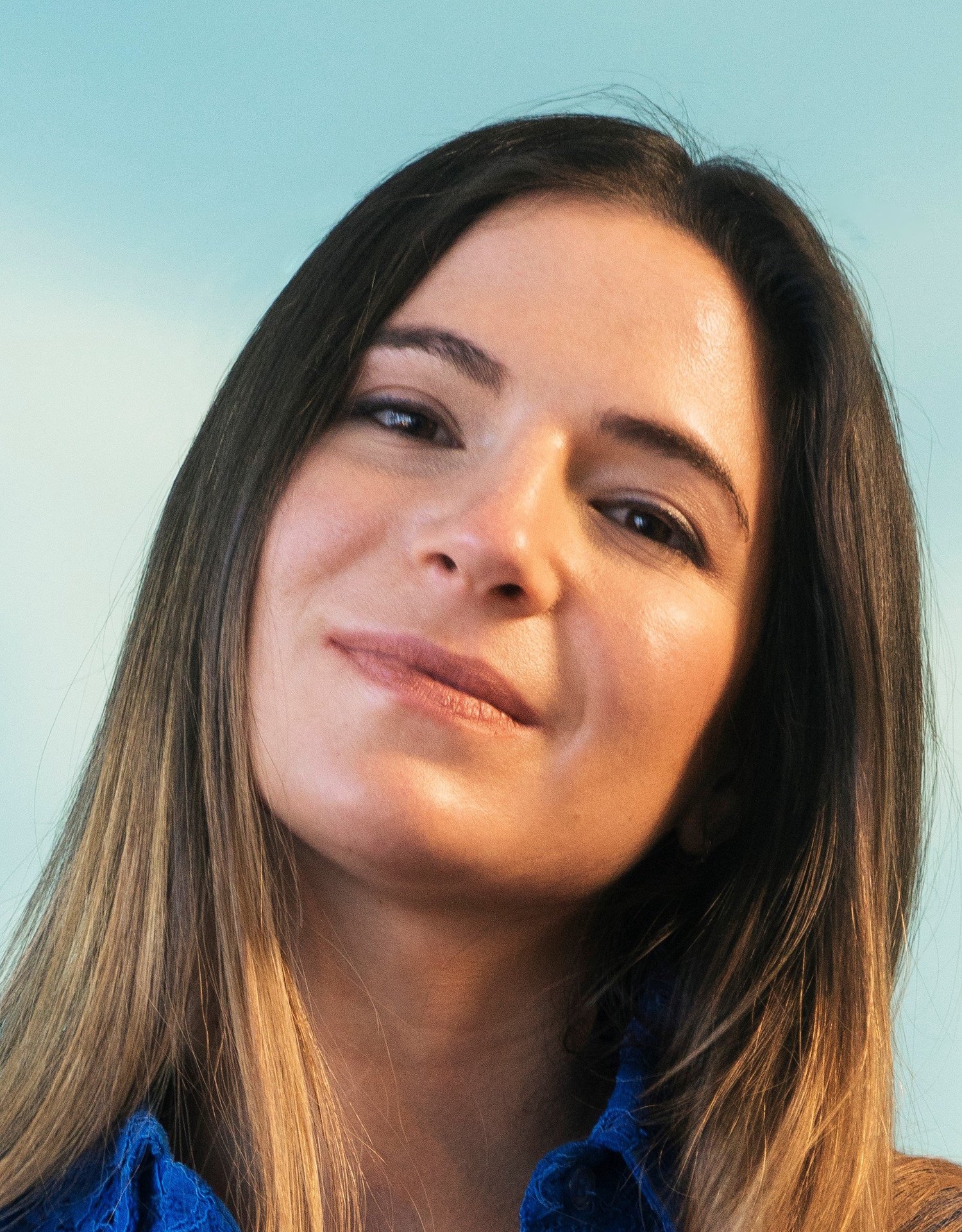
Corporate metaverses failed the moment big tech tried to turn human connection into a closed retail space. In this episode of Endgame, Second Life creator Philip Rosedale joins Amanda Cassatt to explain why corporate giants spent $80 billion and still couldn't build a functional virtual world. Moving far beyond the surface-level hype of Silicon Valley, Philip exposes how algorithmic feeds and centralized interfaces are stripping away genuine human sovereignty, leaving us with a cheap illusion of agency. They dive deep into the high-stakes ethics of emerging technology, explaining why corporate LLMs risk breeding digital demons if we continue to treat artificial entities as enslaved tools for profit rather than digital offspring. Discover why true digital freedom requires localized artificial life and persistent pseudonymity rather than surveillance state biometric scans. Timestamp 0:00 – Welcome 3:01 – What did Second Life know 20 years ago that Meta still doesn't? 5:07 – The COVID-era logic that convinced everyone we'd all end up in the metaverse 7:17 – Why virtual worlds still can't replicate meeting a stranger in person 9:30 – Who actually stays in Second Life: repressive regimes and long-term escape 11:13 – Is staying in a virtual world for life a good thing? 13:19 – Do shooter video games actually teach transferable skills? 15:13 – Why women used Second Life more effectively than men 17:13 – Roblox, Minecraft, and the ethics of monetizing kids 19:13 – Why Second Life deliberately stores nothing about you: the case for pseudonymity 21:27 – Did Second Life become what Rosedale actually wanted? 23:24 – The night the community blew up his own nightclub 25:16 – Is technology pulling people together or tearing them apart? 27:42 – From Wikipedia optimism to "big tech has done nothing but harm" 30:03 – Are AI models conscious? Defining consciousness itself 32:21 – Marc Andreessen says there's no path to AI consciousness — does Rosedale agree? 34:45 – Will machines start demanding rights? 39:25 – "Awakening the Angels": should AI be unstoppable and unowned? 41:50 – "Machines are our children": raising AI as independent offspring 44:12 – What he's building at New Theory, beyond LLMs 46:23 – Artificial life, cellular automata, and the other path to AGI 48:41 – Fusing atoms and bits — and why crypto's obsession with "sovereignty" might be an illusion 50:15 – Closing case for nuance over Silicon Valley's binary thinking Stay Connected Amanda on X: https://x.com/amandacassatt Serotonin on X: https://x.com/serotonin\_hq Spotify https://open.spotify.com/episode/45B9szUxVXEwfCDA6uRxwq?si=HT9XXqF9Q2CcM9hfLbmkVg Endgame on Apple Podcasts https://podcasts.apple.com/us/podcast/endgame-with-amanda-cassatt/id1801809440 Follow Philip Rosadale https://x.com/philiprosedale https://www.linkedin.com/in/philiprosedale
Corporate metaverses failed the moment big tech tried to turn human connection into a closed retail space. In this episode of Endgame, Second Life creator Philip Rosedale joins Amanda Cassatt to…