Mar 25, 2026 · 1 hr 36 min · 14 segments
On April 1, 1976, Apple Computer was founded with a radical idea: that powerful computing should be personal. Fifty years later, Apple stands as one of the most influential tech companies in history…
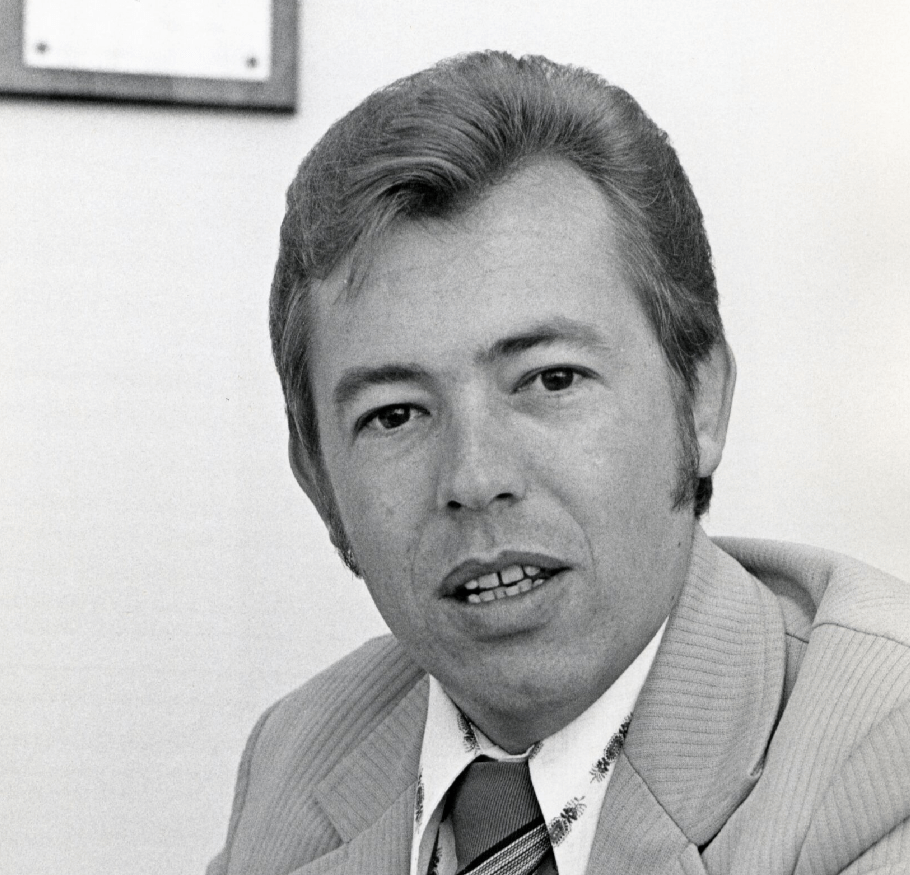
John SculleyGuest
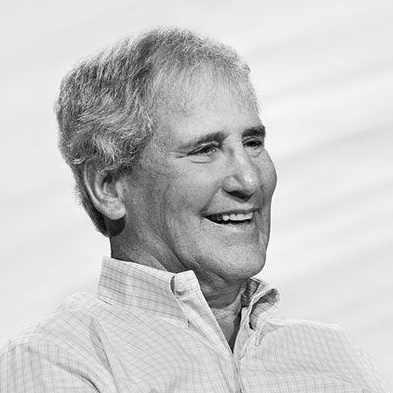
Chris EspinosaGuest
Avie TevanianGuest
Ronald WayneGuest
Robert BrunnerGuest
Bill FernandezGuestSo, Apple is one of the most successful, most profitable, most scrutinized companies in the history of the world.
If they were a country, they would be the biggest country in the world, bigger than China or India.
They earn a million dollars every 90 seconds, so next time you're feeling well-paid.
Steve Wozniak has another thing, but we did interview him, I interviewed him, at this museum a week and a half ago, and we're going to show you now an excerpt from that story.
Steve Jobs wanted a company, and he did it, and I was his resource.
And I had the computer already done that was going to be all of Apple's revenues for the first 10 years of the company.
The Apple III failed, the Lisa failed, I wasn't on these, and the Macintosh failed the hardest of all.
But the Apple II kept bringing in the millions of dollars and putting us up the Fortune 100 and Fortune 20 list and No, that one computer.
So that was helpful to him, and I'm glad.
I got what I wanted.
I didn't want to start a company.
I didn't want to start an industry.
I wanted other engineers to look at my designs and say, he doesn't design normally.
This is some kind of genius.
I mean, I really had ways of using minimal parts so effectively.
That's all I wanted.
I wanted respect from engineers, and I've gotten that.
So, Apple is one of the most successful, most profitable, most scrutinized companies in the history of the world.
If they were a country, they would be the biggest country in the world, bigger than China or India.
They earn a million dollars every 90 seconds, so next time you're feeling well-paid.
Steve Wozniak has another thing, but we did interview him, I interviewed him, at this museum a week and a half ago, and we're going to show you now an excerpt from that story.
Steve Jobs wanted a company, and he did it, and I was his resource.
And I had the computer already done that was going to be all of Apple's revenues for the first 10 years of the company.
The Apple III failed, the Lisa failed, I wasn't on these, and the Macintosh failed the hardest of all.
But the Apple II kept bringing in the millions of dollars and putting us up the Fortune 100 and Fortune 20 list and No, that one computer.
So that was helpful to him, and I'm glad.
I got what I wanted.
I didn't want to start a company.
I didn't want to start an industry.
I wanted other engineers to look at my designs and say, he doesn't design normally.
This is some kind of genius.
I mean, I really had ways of using minimal parts so effectively.
That's all I wanted.
I wanted respect from engineers, and I've gotten that.
The rest of this transcript — segmented and speaker-labeled, so you land on the exact moment something was said
Search every transcript — by keyword, by phrase, or by meaning, across every show Radar indexes
Trends — what is surging across podcasts, measured against its own baseline
Alerts — when a name you follow appears in a newly indexed episode
No account is needed to search Radar.