Jun 13, 2026 · 1 hr 38 min · 11 segments
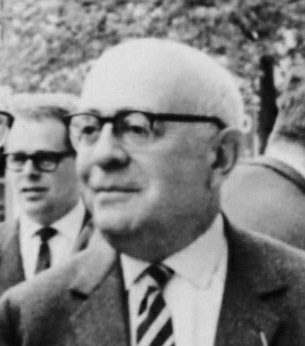
In this episode, Crane is joined by Julian Assele to discuss Max Horkheimer’s long-running critical engagement with contemporary Neo-Thomism, the history of Catholic thought, and the social content of…
James CraneHost
Julian AsseleGuest
So basically, Neo-Thomism is one of the emergent sort of intellectual trends that emerges out of the long 19th century, uh, beginning with the French Revolution, uh, where the, uh, Roman Catholic Church in the, in Western Europe is pretty much put on the defensive by these bourgeois and later socialist revolutions.

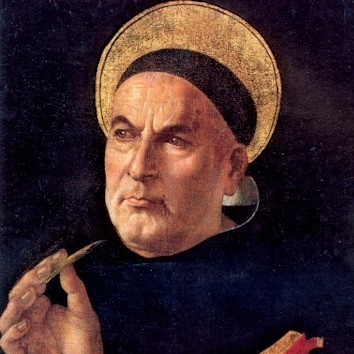
And around, uh, in the early 1870s, uh, you basically have this, uh, declaration from the papacy, uh, I believe the encyclical is called Aeterni Patris, uh, which is basically the, uh, pronouncement that Thomism, the writings and systematic theology of, uh, Thomas Aquinas, 13th century systematic theologian, uh, his writings are now the sort of official line of the Roman Catholic Church in terms of teaching in seminaries, in terms of education, in terms of the academy.

Uh, Thomism becomes the sort of hard line that both mark, that both allows the church to, uh, enter into modern dialogue with its sort of antagonist, sort of like positivists, uh, you know, socialists, these other kind of emergent schools of philosophical and theological thought.

But at the same time, uh, is a very strong, uh, limiter about what can and cannot be said within the Catholic Church.


Uh, but in the early 1870s you have this like strong moderniza- modernization movement that, uh, pretty much kind of marginalizes these other schools of thought, uh, opting for like the sort of Neo-Thomistic revival of Thomas' writings as a means of sort of combating the church.

Now, as we'll see, and as Horkheimer will talk about, um, this sort of, uh, desire and move towards a unitary united front of like Thomism against, not against modernity per se, but kind of as an alternative to modernity or like modern philosophy, in turn develops its own plural schools.

So for instance, uh, you not only have the kind of very conservative, uh, you could say reactionary, uh, Thomism of someone like Garrigou-Lagrange, who was like Rome's censor, a very, very strict, very conservative Thomist who kind of aligned with, uh, you know, you could say property, uh, monarchy, all that stuff.

You also had the Thomism of, uh, Jacques Maritain, who was a, uh, at, was a, a French, uh, philosopher who converted to, uh, Catholicism from positivism actually, uh, and basically sought to, uh, foment kind of liberal Catholic dialogue by basically making the argument for liberalism by way of Thomism or Neo-Scholasticism.

So that is what Neo-Thomism is, and that is what kind of Horkheimer is sort of dialoguing with in our writings, uh, that we're gonna be taking on today.

And this is, I think it's interesting 'cause he's gonna qualify when he talks about modern Thomists, and this is on page 62, at least in my copy of Eclipse of Reason.

Uh, modern Thomists occasionally describe their metaphysics as a wholesome or useful supplement to pragmatism, and they are probably right.

But he also has in the footnote there- Uh, this important metaphysical school includes some of the most responsible historians and writers of our day.

The critical remarks here bear exclusively on the trend by which independent philosophical thought is being superseded by dogmatism.

So Horkheimer recognizes that there are contradictory tendencies within this movement, and this is where, you know, one of his primary targets in the pieces also especially in the citations in the unpublished essay version of Conflicting Panaceas: The Revival of Dogmatism, Neotomism, and Neopositivism, written in 1943.

So this is before any of the other lectures were even delivered for the Columbia series that, uh, Eclipse of Reason would later be made from.
The rest of this transcript — segmented and speaker-labeled, so you land on the exact moment something was said
Search every transcript — by keyword, by phrase, or by meaning, across every show Radar indexes
Trends — what is surging across podcasts, measured against its own baseline
Alerts — when a name you follow appears in a newly indexed episode
No account is needed to search Radar.