Sep 14, 2026 · 1 hr 18 min · 16 segments
Chris and Daniel are thrilled that Widow's Bay is now shooting its second season, and they've brought on Brian Drewes, the man whose team at Zero VFX made the show's VFX disappear, to talk about how…
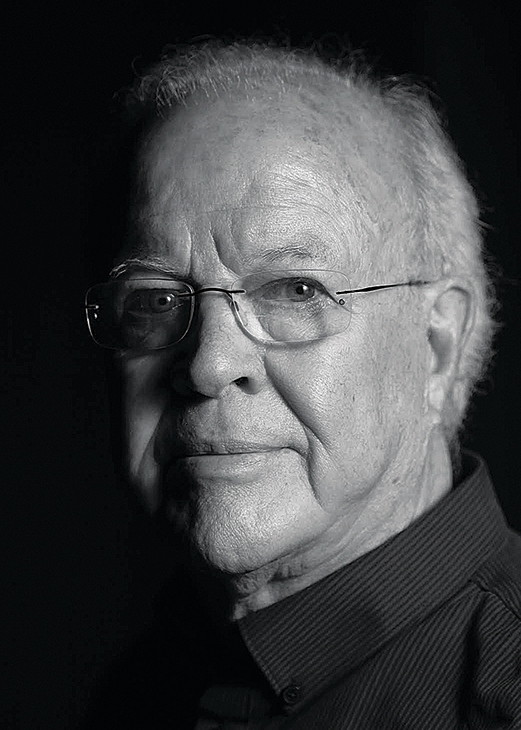
Brian DrewesGuest
Daniel ThronHostChris NicholsHost
So, you know, this sort of starts opening up the AI conversation a little bit, right? But, you know, this is a side project of mine.

You know, like one of the things that, you know... like you're saying, visual effects has always been the core of my interest, but finding these little experiments that you can find some really big wins on, you know, in the visual effects space, but then also transition that to a larger product, I think is always interesting to me because VFX is such, it's such a unique sort of space, but also you can be pretty innovative and try out new things while doing projects.

So it's always been this thing that's, you know, allowed me to sort of experiment with new things like you're saying.

But, you know, I'm a believer that AI is here to stay and that the best way to control it is by having clear policies in place.

And that sounds really boring, right? But I think the idea that you have a you're starting to set context as between you and your client with here's the context within which we can use AI, whether it be, you know, synthetic, full synthetic characters or human likeness or environments.

And that we set these things early on a project and expect that those things might shift as the project changes so that we have a platform to be able to communicate around AI policy.

And then when we deliver or create a final product that we can embed that policy and specific tool use, including the terms of service and all sorts of other data within the delivered files, right? So we're using C2PA.

But, yeah, we can basically stick in that envelope all sorts of contexts that then become valuable as you start saying, okay, what were the policies on this project? And did our vendors across a singular project from a client view, did our vendors, you know, like, are they attesting to the policy that we had in place, right? Right.

So it's a way to help that conversation because there's not one answer for everything, right? It really depends on the project.

So being able to kind of like have that agreement in place and then follow it through to delivery and then have it in the files and hashed cryptographically in the files means that if anyone ever has a question, You can always look in the file.
Let's talk a little bit about that, right? Because that's, I mean, what you're referring to is provenance mostly is what I'm assuming you're talking
there's a couple of things that I think are very interesting with this provenance thing.
And obviously this is in the news, which I think I would love to hear your opinion about the EU policy.
The rest of this transcript — segmented and speaker-labeled, so you land on the exact moment something was said
Search every transcript — by keyword, by phrase, or by meaning, across every show Radar indexes
Trends — what is surging across podcasts, measured against its own baseline
Alerts — when a name you follow appears in a newly indexed episode
No account is needed to search Radar.