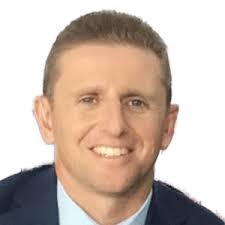
Jesse Levine: Playing for Parents, Swinging in the Rain & Don't Train Kids Like Pros
Oct 13, 2026 · 1 hr 15 min · 15 segments
Jesse Levine was a U.S. junior national champion and University of Florida standout who faced Rafael Nadal, trained with Roger Federer, and later coached tennis stars Madison Keys and Jessica Pegula…
Jesse Levine was a U.S. junior national champion and University of Florida standout who faced Rafael Nadal, trained with Roger Federer, and later coached tennis stars Madison Keys and Jessica Pegula. He says the best thing parents can do is let kids play, fail and find their own joy. Jesse grew up in Ottawa playing soccer, basketball, baseball and tennis, and didn’t commit to one sport until he was 15 or 16. Today he’s a coach, club operator and tennis analyst for Sportsnet and ESPN. And he sees young kids specializing, training like pros and burning out. In this episode, Scott Rintoul talks with Jesse about why early specialization leads to burnout and why quality beats quantity, even at the pro level. Jesse explains the red flags coaches notice in overbearing tennis parents, and how he brings them alongside instead of shutting them out. He shares what he sees the moment a kid stops enjoying the sport, including the 12-year-old who was training to make his dad happy. He also looks back on his own path: moving to Florida at 13, resisting pressure to give up other sports, and learning to stay grounded through wins and heartbreaking losses, including a match against Nadal. Jesse offers advice on talking with your child after a win or a loss, and why giving them space matters. He also covers the cost of tennis, how accessible the sport is, and why he believes cheating is the biggest issue in junior tennis. **Chapters** 0:00 Opening 1:34 Introducing Jesse Levine 3:00 Growing up multisport 5:22 Why early specialization leads to burnout 7:30 Coach-parent talks about specialization 9:09 Overbearing parents and red flags 12:18 Bringing parents alongside the coach 14:11 When his dad coached him 17:00 Why kids need normalcy 18:02 Quality over quantity: training with Federer 21:34 Moving to Florida at 13 24:03 Pressure to specialize at the academy 26:13 Choosing tennis on his own terms 27:52 “Dead eyes”: when kids lose the joy 29:24 The boy who played for his dad 31:09 The rain test 32:36 Why competing is joyful 35:19 Mental toughness and mentor Keith Williams 37:18 Outside interests and the Bryan family 41:29 Staying grounded with coach Andy Brandi 46:08 Why kids shouldn’t get too much too soon 46:31 Facing Nadal in Toronto 49:02 The losses that stay with you 51:06 Advice for parents after wins and losses 55:27 Moving into coaching Madison Keys 58:17 “The best coaches don’t need the job” 59:43 Coaching Jessica Pegula 1:02:58 The cost of tennis 1:06:32 Is tennis accessible? 1:08:03 Tennis, pickleball and padel 1:09:37 Number one issue: cheating in junior tennis 1:12:54 Teaching honesty through sport **Resources** Jesse Levine Better Sports Parents
Jesse Levine was a U.S. junior national champion and University of Florida standout who faced Rafael Nadal, trained with Roger Federer, and later coached tennis stars Madison Keys and Jessica Pegula…