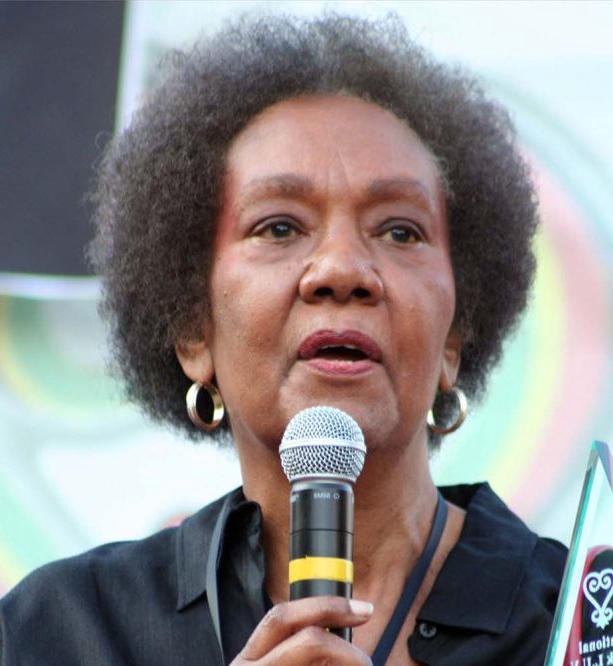
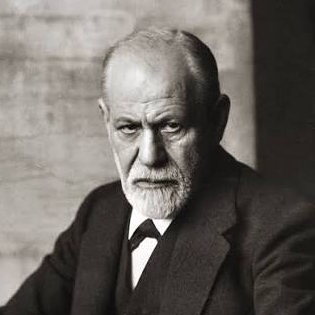
In August 2020, three letters climbed to number one on the Billboard Hot 100 and set off a national argument about women's desire. Tonight we ask what humanity's oldest traditions meant by union. Our thesis holds that spiritual intimacy works as a sacred science, a practice of physical presence, conscious breath, and emotional vulnerability that can carry two people toward the divine and, through each other, toward wholeness within themselves. Our premise starts in Africa. Kemetic creation rises out of Nun, the primordial waters. Yoruba devotion places Osun, Orisha of love and fertility, in a river. Bakongo cosmology draws the boundary between the living and the ancestors as water. Sobonfu Somé taught that in Dagara life, spirit and village stand inside every marriage. So what does intimacy actually serve? Children, bonding, and care, certainly. Awakening too? Can union open a road to what Carl Jung called individuation, or to what yogic traditions call samadhi and moksha? Does a spiritual counterpart to physical intimacy exist? Then we test it. When couples fall into shared rhythms of breath and heartbeat, when trained attention restores desire, does the clinical record describe the same event the mystics describe? What result would confirm that claim, and what result would break it? Special guest Kaba Hiawatha Kamene, author of Spirituality Before Religions and Shabaka's Stone, joins Zo Williams to weigh ancient testimony, philosophy, and laboratory evidence side by side, ranking none above another, and to ask whether making love can also make a self.

 Zo WilliamsHost