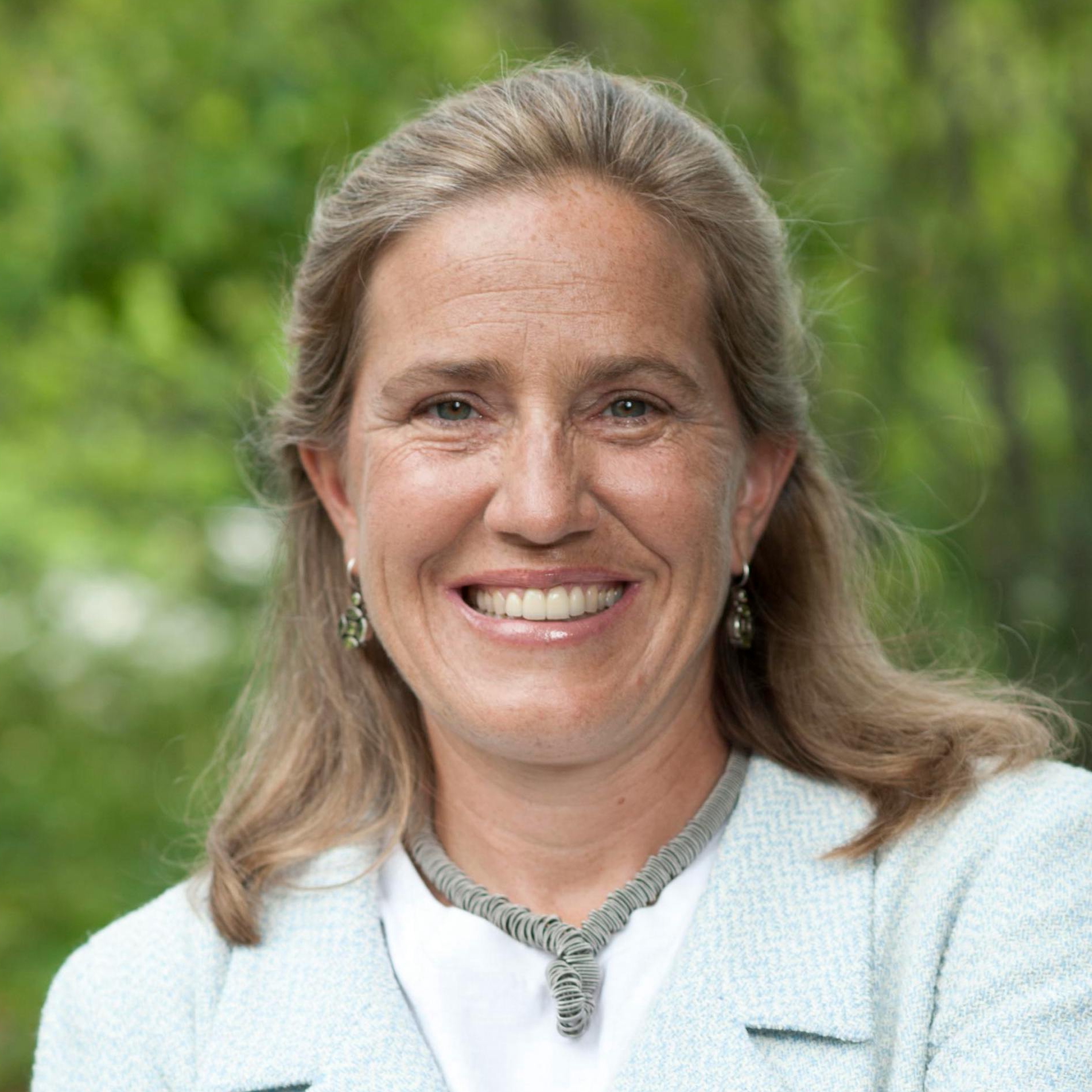
Caroline ElkinsPanelist
Nina HachigianPanelistMoira ShuriHostIt's a huge topic.
What is the new world order? And to follow Shashi Tharoor is the worst thing that can happen to you.
And he's sitting here in the front row.
What is the new world order, or shall we say the new world disorder? Are we in between the collapse of the new one and emergence of the new, collapse of the old one and emergence of the new? And how long will this interim period last? So I want to raise some very basic questions for our panelists.
Nobody knows how long this period is going to last.
Expert opinion ranges from extreme optimism that the order will come back, will be restored, to extreme pessimism that the old order is dead and potential for great power confrontation is alive.
In 2025, there were 65 active conflicts in the world, both interstate, meaning between countries, and intrastate, meaning between government forces and rebel forces.
No question that the social media has played a huge role in this, in amplifying grievances, taking them across continents.
And what an unchecked AI revolution might do to this is anybody's guess.
The current moment reminds you of the late 19th century when Pax Britannica gave way to multiple power centers amid profound socioeconomic changes.
Two world wars followed, and the combined death toll was 100 million people.
Therefore, history would call for careful management of this interim period before a new arrangement is forged.
But the global economy right now is fragmented, weaponized, and volatile.
The international trading architecture is in a state of rigor mortis, as one expert said.
So a world order depends on two main things, a set of rules on which major powers can agree, and a balance of power among them so those rules can be enforced.
Those two conditions are no longer They no longer exist as we are witnessing the collapse of the old order.
The United States, especially under President Trump, is not interested in underwriting the order anymore by either policing the world or providing public goods or promoting free trade.
The other major power, that is China, is not interested, even though it benefited greatly from the existing order.
It's not willing to take financial or political risk to save it.
In other words, China doesn't want to spend blood and treasure and is happy to watch the US self-destruct and lose influence.
China's methods of domination are different.
Weaponization of supply chains, gray zone military tactics to gain territory, and creating alternate groupings of countries to build an anti-West coalition.
So how did we get here? Many reasons, but here's a short list.
America's needless, endless wars, the loss of its industrial base, hollowing out of its manufacturing capacity, and offshoring of jobs.
The failures of globalization broke the people's trust as factories in America closed.
It's a huge topic.
What is the new world order? And to follow Shashi Tharoor is the worst thing that can happen to you.
And he's sitting here in the front row.
What is the new world order, or shall we say the new world disorder? Are we in between the collapse of the new one and emergence of the new, collapse of the old one and emergence of the new? And how long will this interim period last? So I want to raise some very basic questions for our panelists.
Nobody knows how long this period is going to last.
Expert opinion ranges from extreme optimism that the order will come back, will be restored, to extreme pessimism that the old order is dead and potential for great power confrontation is alive.
In 2025, there were 65 active conflicts in the world, both interstate, meaning between countries, and intrastate, meaning between government forces and rebel forces.
No question that the social media has played a huge role in this, in amplifying grievances, taking them across continents.
And what an unchecked AI revolution might do to this is anybody's guess.
The current moment reminds you of the late 19th century when Pax Britannica gave way to multiple power centers amid profound socioeconomic changes.
Two world wars followed, and the combined death toll was 100 million people.
Therefore, history would call for careful management of this interim period before a new arrangement is forged.
But the global economy right now is fragmented, weaponized, and volatile.
The international trading architecture is in a state of rigor mortis, as one expert said.
So a world order depends on two main things, a set of rules on which major powers can agree, and a balance of power among them so those rules can be enforced.
Those two conditions are no longer They no longer exist as we are witnessing the collapse of the old order.
The United States, especially under President Trump, is not interested in underwriting the order anymore by either policing the world or providing public goods or promoting free trade.
The other major power, that is China, is not interested, even though it benefited greatly from the existing order.
It's not willing to take financial or political risk to save it.
In other words, China doesn't want to spend blood and treasure and is happy to watch the US self-destruct and lose influence.
China's methods of domination are different.
Weaponization of supply chains, gray zone military tactics to gain territory, and creating alternate groupings of countries to build an anti-West coalition.
So how did we get here? Many reasons, but here's a short list.
America's needless, endless wars, the loss of its industrial base, hollowing out of its manufacturing capacity, and offshoring of jobs.
The failures of globalization broke the people's trust as factories in America closed.
The rest of this transcript — segmented and speaker-labeled, so you land on the exact moment something was said
Search every transcript — by keyword, by phrase, or by meaning, across every show Radar indexes
Trends — what is surging across podcasts, measured against its own baseline
Alerts — when a name you follow appears in a newly indexed episode
No account is needed to search Radar.