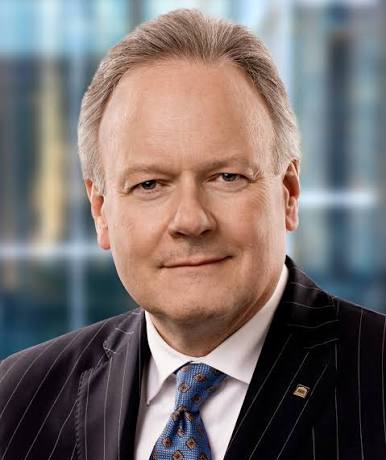
Stephen Poloz, Former Governor of the Bank of Canada on the Formula for Prosperity in an Uncertain World
Jun 1, 2026 · 42 min · 10 segments
On this episode of The Feed Powered by Loblaw, host Michael LeBlanc sits down with former Bank of Canada Governor and renowned economist Steve Poloz for a timely and wide-ranging conversation about…
On this episode of The Feed Powered by Loblaw, host Michael LeBlanc sits down with former Bank of Canada Governor and renowned economist Steve Poloz for a timely and wide-ranging conversation about the forces reshaping Canada's economy. Drawing on insights from his influential book *The Next Age of Uncertainty*, Poloz reflects on how many of the disruptions he anticipated have accelerated far faster than expected. From geopolitical conflict and the restructuring of global trade to inflation, artificial intelligence, demographic shifts, and supply chain volatility, he explains why Canadians are entering a new era defined by greater uncertainty—and greater opportunity. The conversation begins with a look at the rise of generative AI and why Poloz believes it represents the Fourth Industrial Revolution. While businesses are rushing to deploy artificial intelligence technologies, he argues that the largest economic benefits are still ahead. Drawing parallels to the introduction of electricity and the computer chip, Poloz explains how productivity gains ultimately create more prosperity, even as they disrupt labour markets and force difficult transitions for workers and industries. Michael and Stephen also examine the growing concerns surrounding employment, automation, and Canada's productivity challenges. Poloz outlines why Canada cannot afford to lag in AI adoption and argues that accelerating business investment, innovation, and entrepreneurship will be essential to maintaining living standards in the years ahead. The discussion then turns to one of the most consequential issues facing Canada today: the disruption of global trade. Poloz explains why rising protectionism and tariff barriers create inefficiencies that ultimately reduce global growth, lower incomes, and slow economic progress. While Canada's deep economic ties to the United States remain critically important, he outlines why diversification, regulatory reform, energy development, critical minerals, and new trading relationships will become increasingly important. Food inflation and affordability also take centre stage. Poloz offers a clear explanation of how global shocks—including energy prices, fertilizer costs, drought conditions, geopolitical conflicts, and supply chain disruptions—continue to influence food prices long after the initial event has passed. He also discusses Canada's internal trade barriers, describing them as a major untapped economic opportunity. The episode concludes with Poloz's prescription for Canada's future prosperity: embrace technology, remove barriers to investment, improve productivity, and create the conditions for innovation-led growth. **About Your Host, Michael LeBlanc** **Michael LeBlanc** is the president and founder of M.E. LeBlanc & Company Inc, a senior retail advisor, keynote speaker and now, media entrepreneur. He has been on the front lines of retail industry change for his entire career. Michael has delivered keynotes, hosted fire-side discussions and participated worldwide in thought leadership panels. He brings 25+ years of brand/retail/marketing & eCommerce leadership experience with Levi's, Black & Decker, Hudson's Bay, CanWest Media, Pandora Jewellery, The Shopping Channel and Retail Council of Canada to his advisory, speaking and media practice. Michael produces and hosts a network of leading retail trade podcasts, including the award-winning No.1 independent retail industry podcast in America, *Remarkable Retail* with his partner, Dallas-based best-selling author Steve Dennis; Canada's top retail industry podcast *The Voice of Retail* and Canada's top food industry and one of the top Canadian-produced management independent podcasts in the country, *The Food Professor* with Dr. Sylvain Charlebois from Dalhousie University in Halifax. Rethink Retail has recognized Michael as one of the top global retail experts for the fifth year in a row, the National Retail Federation has designated Michael as on their Top Retail Voices for 2025 and 2026. Thinkers 360 has named him on of the Top 50 global thought leaders in retail. If you are a BBQ fan, you can tune into Michael’s cooking show, *Last Request BBQ*, on YouTube, Instagram, X and yes, TikTok. Michael is available for keynote presentations helping retailers, brands and retail industry insiders explaining the current state and future of the retail industry in North America and around the world.
On this episode of The Feed Powered by Loblaw, host Michael LeBlanc sits down with former Bank of Canada Governor and renowned economist Steve Poloz for a timely and wide-ranging conversation about…