Huey P. Newton and the Black Panther Party Explained with Dr. Delio Vasquez
Oct 9, 2026 · 1 hr 3 min · 13 segments
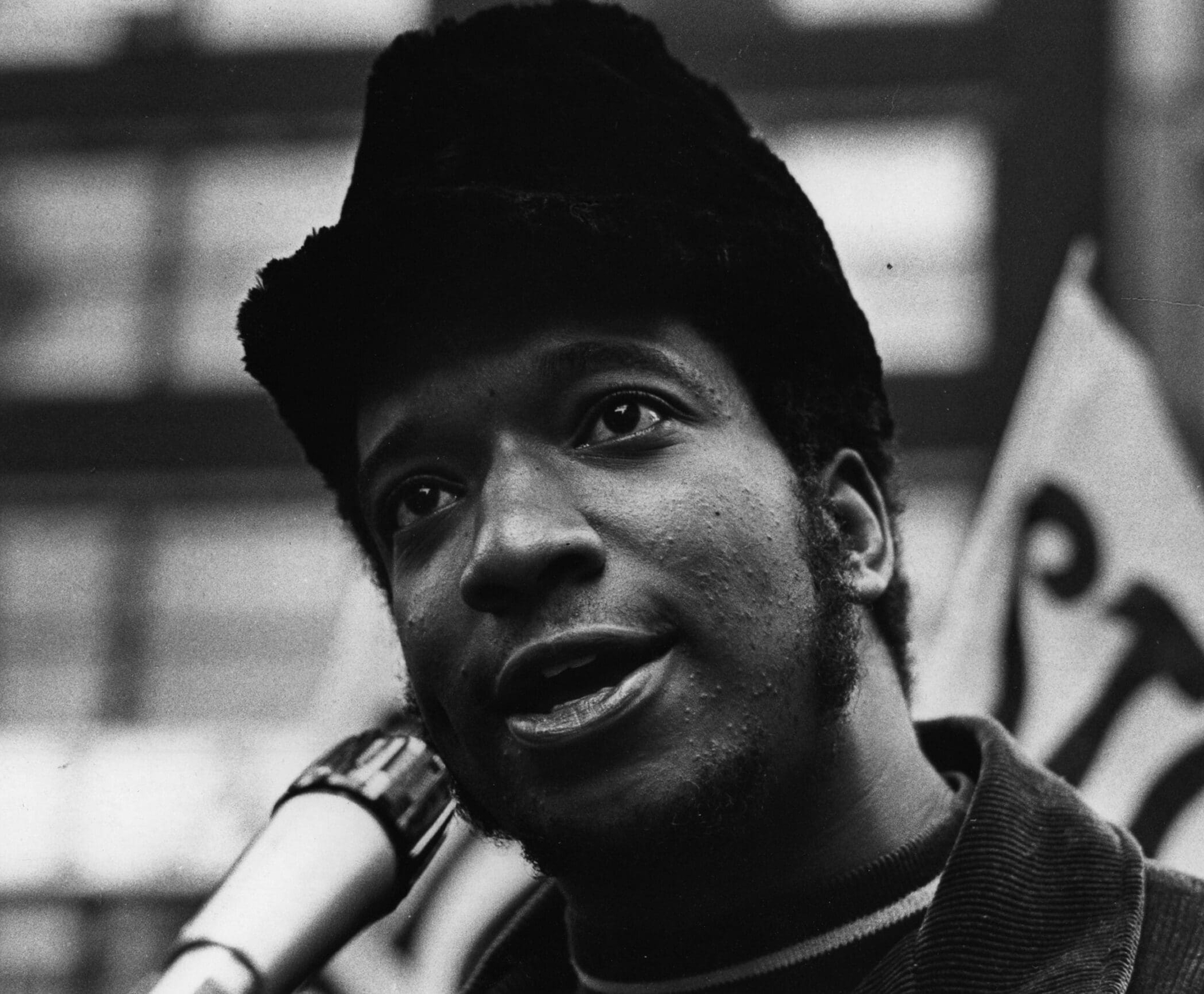
Who was Huey P. Newton, and how did he shape the Black Panther Party and the fight for Black liberation? On this episode of the **Bookum Author Talks Podcast**, we sit down with Dr. Delio Vasquez to…
Who was Huey P. Newton, and how did he shape the Black Panther Party and the fight for Black liberation? On this episode of the **Bookum Author Talks Podcast**, we sit down with Dr. Delio Vasquez to discuss his book, *Huey P. Newton*, and explore the life, political philosophy, and legacy of one of the most influential figures in the Black Panther Party. We discuss Huey P. Newton's intellectual contributions, the meaning of Black Power, the Black Panther Party's community programs, and its approach to political organizing. Dr. Vasquez also examines the FBI's surveillance of Newton, COINTELPRO, Fred Hampton, and the government's efforts to undermine the Black Panther movement. Our conversation explores intercommunalism, the circulation of knowledge, Black Panther media outlets, and the contributions of Black women and women leaders within the party. We also discuss Malcolm X, Martin Luther King Jr., political change, and the lessons that modern movements can learn from the history of the Black Panther Party. Whether you are interested in Black history, African American studies, civil rights, political theory, revolutionary movements, or the legacy of Huey P. Newton, this episode offers an in-depth conversation about the people, ideas, and organizing efforts that shaped a pivotal period in American history. **GET THE BOOK** Pick up a copy of *Huey P. Newton* by Dr. Delio Vasquez to learn more about Newton's life, ideas, and political legacy here **FOLLOW BOOKUM AUTHOR TALKS** Follow the Bookum Author Talks Podcast for more conversations with authors about their books, ideas, and the stories that shape our world. **DOWNLOAD BOOKUM** Bookum is the book club app where bookish conversations happen. Connect with readers, start a book club, and discuss the books you love. Download Bookum: https://www.bookumapp.com **Topics:** Huey P. Newton, Black Panther Party, Black Power, Black liberation, Black history, African American history, civil rights movement, COINTELPRO, Fred Hampton, Malcolm X, Martin Luther King Jr., political philosophy, community organizing, and revolutionary movements. This Podcast is to brought you by Bookum - The book communities NEW and BEST way to host dynamic online book clubs. Download the App and Start your Book club today at www.bookumapp.com Catch all of conversations live on the Bookum App Nooks!
Who was Huey P. Newton, and how did he shape the Black Panther Party and the fight for Black liberation? On this episode of the **Bookum Author Talks Podcast**, we sit down with Dr. Delio Vasquez to…