Media Manipulation EXPOSED? China’s Influence, DOJ Targets News Giants & AI Fights Back!
Oct 12, 2026 · 1 hr 9 min · 20 segments
Who is controlling the information Americans see, and how much of the truth is being kept from the public? Sam Anthony from YourNews.com joins Amber May for an explosive conversation about media…
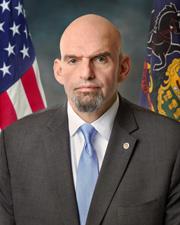
Who is controlling the information Americans see, and how much of the truth is being kept from the public? Sam Anthony from YourNews.com joins Amber May for an explosive conversation about media influence, political power, China's connections to Washington, and the growing battle over information. A new documentary investigates decades of alleged antisemitic propaganda and information warfare surrounding Israel and the October 7 Hamas attacks. Meanwhile, the Department of Justice is investigating five major television networks, including CNN, Fox News, ABC, CBS, and NBC, over an alleged coordinated boycott of White House coverage. Is this a fight for press freedom or something more? Plus, Moms for Liberty is introducing artificial intelligence to monitor more than 13,000 school districts, giving parents new tools to track school board decisions before they happen. And a Daily Caller investigation raises serious questions about Elaine Chao, Mitch McConnell's wife, her family's connections to a Chinese kindergarten, and organizations linked to the Chinese Communist Party's political influence operations. Then there's John Fetterman. President Trump has publicly invited the Pennsylvania Democrat to join the Republican Party. Is Fetterman breaking away from his party, or is Washington witnessing something else? From the media to the classroom, from China to Capitol Hill, Amber May and Sam Anthony examine the stories making headlines and the questions Americans deserve to have answered. Don't miss this revealing conversation on The Amber May Show! Join Me On Telegram https://t.me/theambermayshow Podcast Like A PRO https://podcast-like-a-pro.trainercentralsite.com Promocode Amber Discord https://discord.gg/kUsDba4zRj https://discord.com/channels/1331829063400034435/1331829063869792308 The Amber May Show Theme Song https://suno.com/song/87e27080-4ddb-47f7-8722-b00b251e6c84 Get AMAZING Amber May Merchandise https://www.ambermayshow.com/amazing-products Invest in yourNEWS https://invest.highlander.ai/nicoventures Follow Me on Pickax https://pickax.com/?referralCode=gb4e11n&refSource=copy Follow me on FaithNFreedom https://www.faithnfreedom.social/u/3d6be46b Get all your My Pillow Products at a DISCOUNT www.mypillow.com/amber Use Promo Code AMBER and save up to 66% off Promo code-AMBER 800-957-2123 Get Ivermectin and hydroxychloroquine and SAVE Dr Stella Immanuel https://marketplace.drstellamd.com/amber-may Use Promo Code AmberMay and save Become An Affiliate with Dr Stella https://rehoboth-medical-cli.trackdesk.com/sign-up?referralAccountId=1f8c94aa-933e-4aa8-ac5b-5a8d9a0d4508 Invest In Precious Metals AmberMetals.com Patriot Mobile- Free Activation When you become a Patriot Mobile member, your dollars are helping to fund our God-given right to freedom. A portion of every dollar we earn is given back to the causes that support organizations that fight for First Amendment Religious Freedom, Freedom of Speech, Second Amendment Right to Bear Arms, Sanctity of Life, and the needs of our Veterans and First Responders. https://www.patriotmobile.com/amber/ Use Promocode AMBER Our Exodus supplement nourishes your body with potent biblical ingredients, supporting your physical and spiritual journey. Https://exodusstrong.com?a\_aid=Amber Become an Exodus Affiliate Https://exodusstrong.com/pages/champions?a\_aid=Amber Is it possible with Turbo Cancers on the rise and Big Pharma's reputation at zero, that Americans are finally ready to hear the truth about Cancer? Are you ready? In the 70’s a Doctor working for a National Cancer Institute discovered that Apricot seeds, which contain B-17, actually slowed the growth of tumors. https://rncstore.com/ambermay Save Money When Using A Patient Advocate In The Medical System https://www.graithcare.com/?ref=Amber Take Control of Your Health & Healing! Get the full celebration of solutions that happened at Healing For The A.G.E.S. Over 20 hours of ground-breaking, life-changing, information you’ve never heard before, and can’t get anywhere else! https://healingfortheages.com/ use promocode Amber Find Where we air our show here: https://www.ambermayshow.com/
Who is controlling the information Americans see, and how much of the truth is being kept from the public? Sam Anthony from YourNews.com joins Amber May for an explosive conversation about media…