The AI Daily Brief (Formerly The AI Breakdown): Artificial Intelligence News and Analysis
Nov 4, 2026 · 25 min · 13 segments
The Democratic wave is bringing new scrutiny to AI, but how much will actually change? NLW breaks down the election’s implications for data center construction, AI regulation, and the emerging 2028…
Nathaniel WhittemoreHostAmerica got a genuine blue wave yesterday as the American citizens handed a resounding defeat to the party of Trump and victory to the Democrats.
As of late last night, Democrats had an 11 point swing across national averages.
They will take control of the House and the Senate, although they are unlikely to gain a veto-proof supermajority.
By way of historical comparisons, in terms of absolute number of seats, the result doesn't look to be quite at the same magnitude as historic wipeouts like the 2018 Trump or 2010 Obama midterms, but Democrats are flipping unlikely seats in GOP strongholds like Texas, South Carolina, and Kentucky.
The question for our purposes is, of course, what is this going to mean for AI? Heading into the vote, it would have been tempting to claim that AI was on the ballot.
But of course, the more accurate framing was that AI data centers were on the ballot.
According to a Pew Research poll conducted in early October, only 44% of voters said that AI was a very important issue to them.
That compares to, for example, 57% for foreign policy, 59% for immigration, 62% for education, 68% for healthcare, 73% for the future of democracy, and 84% for the economy.
When it came to who AI was important to, the issue skewed slightly towards Democrats, with 54% saying that AI was a very important issue compared to 34% of Republicans.
Pew even highlighted that labeling it AI as an issue was a little misleading.
The actual issue was, of course, data centers, with 61% of voters saying they dislike or strongly dislike candidates who support building data centers locally.
Again, this skewed along partisan lines, with 75% of Democrat supporters saying they dislike pro-data center candidates compared to 44% of Republican supporters.
Hardly anyone on either side said they liked pro-data center candidates, with just 5% of Democrat supporters and only 14% of Republican supporters.
To the shock of no one who has been paying any amount of attention for the last three to six months, being in favor of data centers was a huge vote loser for both parties.
Now, when it comes to why data centers are so unpopular, the full accounting for that is beyond the scope of this particular show.
In fact, digging deep on those particular issues is exactly why I created the new show, How We Got Here, and why the first episode was, in fact, How Tech Lost America, which is about the 15-year history that set up the context for data centers today.
What's notable for our purposes on this show is that data center politics were to look only at the way that they were discussed on the campaign trail, mostly tied to other key issues around the economy, like cost of living and the wealth divide between regular people and the group of tech money who are often referred to as the oligarchy.
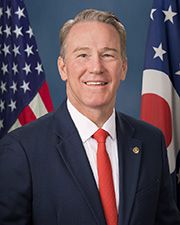
Ohio Democrat Senate candidate Sherrod Brown said, Ohioans shouldn't be forced to subsidize these costs, and Ohioans, not John Husted and his billionaire friends, should get to decide if data centers are built in their community.
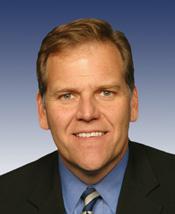
In the Michigan Senate race, Abdul El-Sayed ran attack ads that tied flock cameras and AI data centers to his opponent Mike Rogers' support of the Patriot Act in 2001.
In other words, data center opposition was fully enmeshed and mixed into larger electoral themes.
Republicans were a bit constrained on how they addressed the data center issue, given President Trump's vocal support for the AI industry down the stretch.
In late August, you might remember, he pronounced on Truth Social that communities who reject data centers will end up being, quote, backwards and poor.
That was the perfect opportunity for Republicans in tight races to split with the president on the issue, but few took that chance.
Instead, Republicans largely offered the status quo, with Ohio Senate incumbent John Husted telling that data centers are and should remain a local decision.
Exit polling from NBC News confirmed that data centers were a meaningful issue, but not among the most significant.
America got a genuine blue wave yesterday as the American citizens handed a resounding defeat to the party of Trump and victory to the Democrats.
As of late last night, Democrats had an 11 point swing across national averages.
They will take control of the House and the Senate, although they are unlikely to gain a veto-proof supermajority.
By way of historical comparisons, in terms of absolute number of seats, the result doesn't look to be quite at the same magnitude as historic wipeouts like the 2018 Trump or 2010 Obama midterms, but Democrats are flipping unlikely seats in GOP strongholds like Texas, South Carolina, and Kentucky.
The question for our purposes is, of course, what is this going to mean for AI? Heading into the vote, it would have been tempting to claim that AI was on the ballot.
But of course, the more accurate framing was that AI data centers were on the ballot.
According to a Pew Research poll conducted in early October, only 44% of voters said that AI was a very important issue to them.
That compares to, for example, 57% for foreign policy, 59% for immigration, 62% for education, 68% for healthcare, 73% for the future of democracy, and 84% for the economy.
When it came to who AI was important to, the issue skewed slightly towards Democrats, with 54% saying that AI was a very important issue compared to 34% of Republicans.
Pew even highlighted that labeling it AI as an issue was a little misleading.
The actual issue was, of course, data centers, with 61% of voters saying they dislike or strongly dislike candidates who support building data centers locally.
Again, this skewed along partisan lines, with 75% of Democrat supporters saying they dislike pro-data center candidates compared to 44% of Republican supporters.
Hardly anyone on either side said they liked pro-data center candidates, with just 5% of Democrat supporters and only 14% of Republican supporters.
To the shock of no one who has been paying any amount of attention for the last three to six months, being in favor of data centers was a huge vote loser for both parties.
Now, when it comes to why data centers are so unpopular, the full accounting for that is beyond the scope of this particular show.
In fact, digging deep on those particular issues is exactly why I created the new show, How We Got Here, and why the first episode was, in fact, How Tech Lost America, which is about the 15-year history that set up the context for data centers today.
What's notable for our purposes on this show is that data center politics were to look only at the way that they were discussed on the campaign trail, mostly tied to other key issues around the economy, like cost of living and the wealth divide between regular people and the group of tech money who are often referred to as the oligarchy.
Ohio Democrat Senate candidate Sherrod Brown said, Ohioans shouldn't be forced to subsidize these costs, and Ohioans, not John Husted and his billionaire friends, should get to decide if data centers are built in their community.
In the Michigan Senate race, Abdul El-Sayed ran attack ads that tied flock cameras and AI data centers to his opponent Mike Rogers' support of the Patriot Act in 2001.
In other words, data center opposition was fully enmeshed and mixed into larger electoral themes.
Republicans were a bit constrained on how they addressed the data center issue, given President Trump's vocal support for the AI industry down the stretch.
In late August, you might remember, he pronounced on Truth Social that communities who reject data centers will end up being, quote, backwards and poor.
That was the perfect opportunity for Republicans in tight races to split with the president on the issue, but few took that chance.
Instead, Republicans largely offered the status quo, with Ohio Senate incumbent John Husted telling that data centers are and should remain a local decision.
Exit polling from NBC News confirmed that data centers were a meaningful issue, but not among the most significant.
The rest of this transcript — segmented and speaker-labeled, so you land on the exact moment something was said
Search every transcript — by keyword, by phrase, or by meaning, across every show Radar indexes
Trends — what is surging across podcasts, measured against its own baseline
Alerts — when a name you follow appears in a newly indexed episode
No account is needed to search Radar.