Search for Meaning with Rabbi Yoshi
Aug 3, 2026 · 55 min · 10 segments
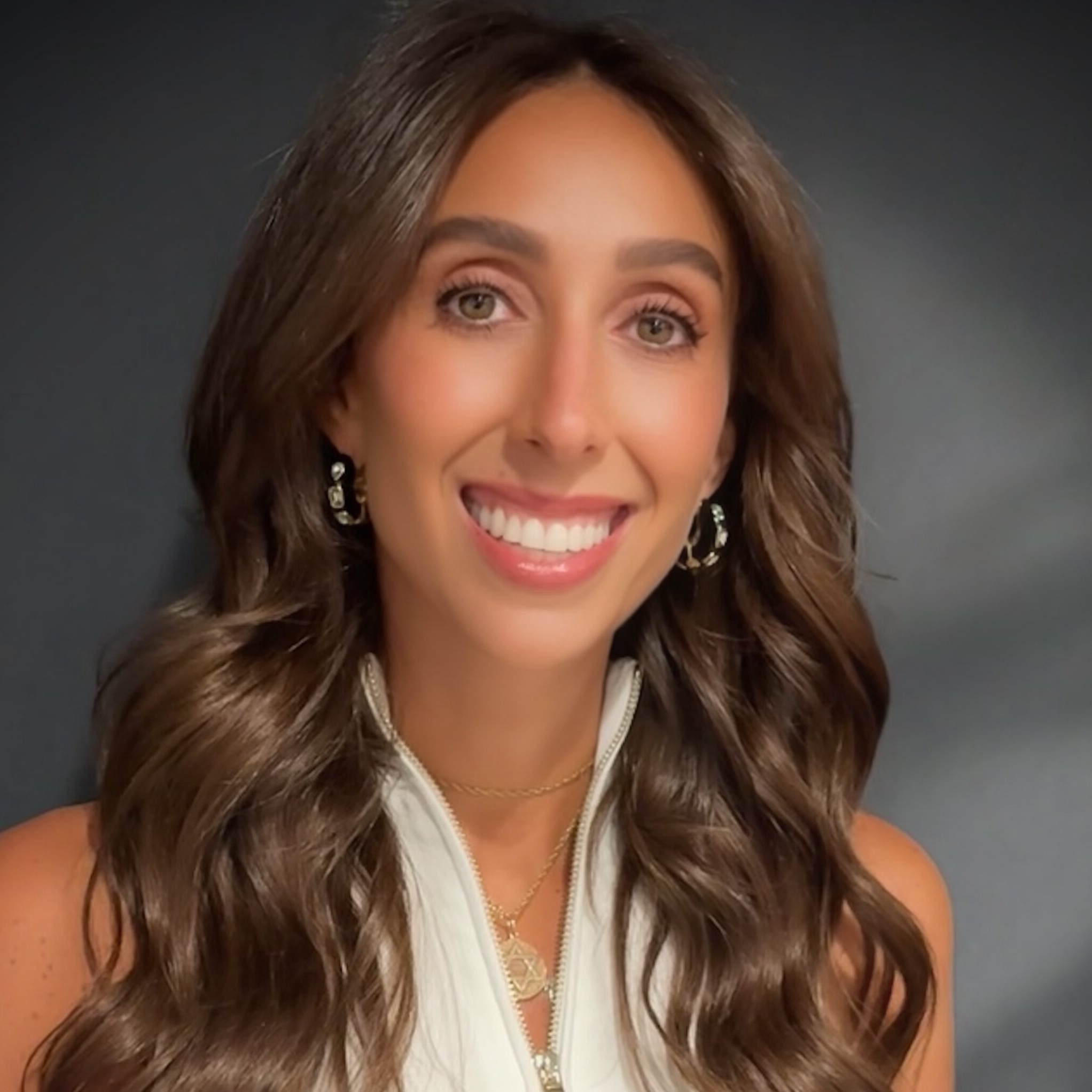
Rabbi Yoshi Zweiback welcomes back civil rights attorney and Zioness founder Amanda Berman for her second appearance on Search for Meaning. Recorded days after Tisha B'Av, the conversation opens with…
Amanda BermanGuest
Yoshi ZweibackHost
And we're recording this just a few days after Tisha B'Av, the saddest day traditionally in the Jewish year.

And something extraordinary, not really surprising, but extraordinary happened this year.

The mayor of the, uh, city in the United States with the largest Jewish population, and actually perhaps the largest Jewish population in the world right outside of Tel Aviv, puts out a video calling the sitting prime minister of Israel a war criminal, and then later admits he, he'd like to arrest him, but he can't.

And then on Tisha B'Av, the mayor puts out this peaceful holiday message which actually inadvertently sort of acknowledges that the Jewish people have a historic tie to the land of Israel 'cause he, he mentions the destruction of the First and Second Temples.

And then that same day on Tisha B'Av, there's a stabbing on the Upper West Side.

Still not clear 100% what happened, but there are reports that the stabber shouted out, "Allahu Akbar" in Arabic, and now the prime minister is firing back.

And it is a, uh, it is a challenge and a difficult moment, and I'm just wondering for you, as a Zionist activist, how is it to be in New York City right now? What's the mood?


And I know that those conversations for people who don't know us, and even sometimes people inside our community, those conversations can feel really dramatic.

Like, you know, there's a perception, again, even inside our own community, that we're a very privileged group, that, you know, there would be no reason whatsoever for us to feel afraid here, that we control the institutions, et cetera, et cetera.


I mean, we're living for the last century in a world where there is a Jewish state, where we have reclaimed our sovereignty and our ancestral homeland and where democracies have flourished, particularly the United States where, you know, Jews have really been able to succeed and advance and build and, um, to assimilate in a lot of ways and to really achieve the American dream in so many ways.

And so, you know, we're trying to carry a lot of tension in that, but also knowing in a really, I think, epigenetic way that what is happening right now, you can't really unwind the clock on what is being unleashed, what is being normalized, the language from the highest levels.

And so, you know, I think there are a lot of questions that people are asking right now, a lot of feelings that people are having.


And we're recording this just a few days after Tisha B'Av, the saddest day traditionally in the Jewish year.

And something extraordinary, not really surprising, but extraordinary happened this year.

The mayor of the, uh, city in the United States with the largest Jewish population, and actually perhaps the largest Jewish population in the world right outside of Tel Aviv, puts out a video calling the sitting prime minister of Israel a war criminal, and then later admits he, he'd like to arrest him, but he can't.

And then on Tisha B'Av, the mayor puts out this peaceful holiday message which actually inadvertently sort of acknowledges that the Jewish people have a historic tie to the land of Israel 'cause he, he mentions the destruction of the First and Second Temples.

And then that same day on Tisha B'Av, there's a stabbing on the Upper West Side.

Still not clear 100% what happened, but there are reports that the stabber shouted out, "Allahu Akbar" in Arabic, and now the prime minister is firing back.

And it is a, uh, it is a challenge and a difficult moment, and I'm just wondering for you, as a Zionist activist, how is it to be in New York City right now? What's the mood?


And I know that those conversations for people who don't know us, and even sometimes people inside our community, those conversations can feel really dramatic.

Like, you know, there's a perception, again, even inside our own community, that we're a very privileged group, that, you know, there would be no reason whatsoever for us to feel afraid here, that we control the institutions, et cetera, et cetera.


I mean, we're living for the last century in a world where there is a Jewish state, where we have reclaimed our sovereignty and our ancestral homeland and where democracies have flourished, particularly the United States where, you know, Jews have really been able to succeed and advance and build and, um, to assimilate in a lot of ways and to really achieve the American dream in so many ways.

And so, you know, we're trying to carry a lot of tension in that, but also knowing in a really, I think, epigenetic way that what is happening right now, you can't really unwind the clock on what is being unleashed, what is being normalized, the language from the highest levels.

And so, you know, I think there are a lot of questions that people are asking right now, a lot of feelings that people are having.


The rest of this transcript — segmented and speaker-labeled, so you land on the exact moment something was said
Search every transcript — by keyword, by phrase, or by meaning, across every show Radar indexes
Trends — what is surging across podcasts, measured against its own baseline
Alerts — when a name you follow appears in a newly indexed episode
No account is needed to search Radar.