Relationscapes: Exploring How We Relate, Love, and Belong
MINI EPISODE: The 14th Amendment is safe...for now (with Susan J. Pearson)
Jul 28, 2026 · 28 min · 10 segments
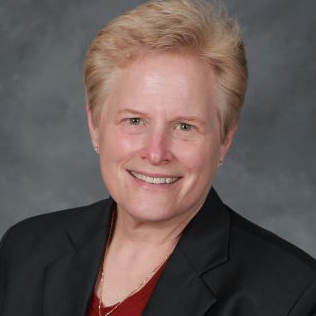
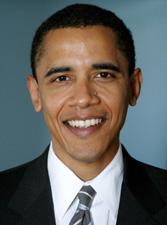
https://podcasts.apple.com/us/podcast/relationscapes/id1693024809https://open.spotify.com/show/79FGvTJ3jRp9qwqoeKn1DY?si=267986d68d6b415dhttps://www.relationscapes.org/p/pearson-2-transcript/ https://amzn.to/4hOAjiC Donald Trump launched his political career by spreading the lie that Barack Obama was not born in the United States. He launched his second term as president trying to overturn the plain and long-held intent of the 14th Amendment. In both cases, birth certificates played a crucial role. Historian Susan J. Pearson returns to unpack the Supreme Court's recent birthright citizenship decision, the proposed SAVE Act, and why birth certificates have become one of the most politically contested documents in the United States. Drawing on the history behind *The Birth Certificate: An American History*, she explains how government records shape citizenship, why the United States has no national proof of citizenship, and what happens when access to democracy depends on paperwork. Full transcript is available here at relationscapes.org. Fellow Traveler Episodes - The Secret and Sometimes Sinister History of American Birth Certificates (with Susan J. Pearson) - Life Between the Cracks of History: An Immigrant Family's Story (with Ada Ferrer) - Unearthing Family Secrets (with Ingrid Rojas Contreras) - MINI EPISODE: Little Interpreter, Big Responsibility (with Olivia Abtahi) - Border Separations (with Efrén Olivares) About the Guest Susan J. Pearson (Ph.D., University of North Carolina, 2004) is an historian of the nineteenth- and early twentieth-century United States. She is particularly interested in the cultural politics of reform, the expansion of the state and forms of governance, and the development of American liberalism. Professor Pearson is the author of two prize-winning books, including The Birth Certificate: An American History*.* She has also published essays and articles in *The Journal of American History*, *History and Theory*, *The Journal of Social History*, *Modern American History*, and the *Journal of the Civil War Era*.
https://podcasts.apple.com/us/podcast/relationscapes/id1693024809https://open.spotify.com/show/79FGvTJ3jRp9qwqoeKn1DY?si=267986d68d6b415d…