
Kosher Ingredients, Kosher Utensils and Still Not Kosher?
Oct 28, 2026 · 58 min · 10 segments
A general introduction to the principles of foods prepared by non-Jews
- Speakers
 Reuven BrandHost
Oct 28, 2026 · 58 min · 10 segments
A general introduction to the principles of foods prepared by non-Jews
Reuven BrandHost
When the Rabboni Shalom gave Moshe Rabbeinu the Torah and Har Sinai, he gave him two Torahs.
In addition to that, he gave him something that we call the Torah Shabal Peh, the oral tradition.
So some of those are just oral traditions that explain what it says in the Chumash.
What is a pre-Eitz Hadar? What is that? What's that? How do you know that that's an esrog? Why is it that nobody in the history of the world ever thought it was a persimmon or something else? Because the Rambam says that's called pirushim ha-mikubalim.
So now, the job of the parshanim, the commentators, what they do for a living is figure out, when you're trying to tell me what is an esrog, why did you write prietz hadar? That's what the commentators do for breakfast, lunch, and dinner.
They're always trying to figure out what is going on between the text and the tradition.
So in the tradition is a whole bunch of things of how to interpret the Chumash, and then there's a section which is Rabbinic laws.

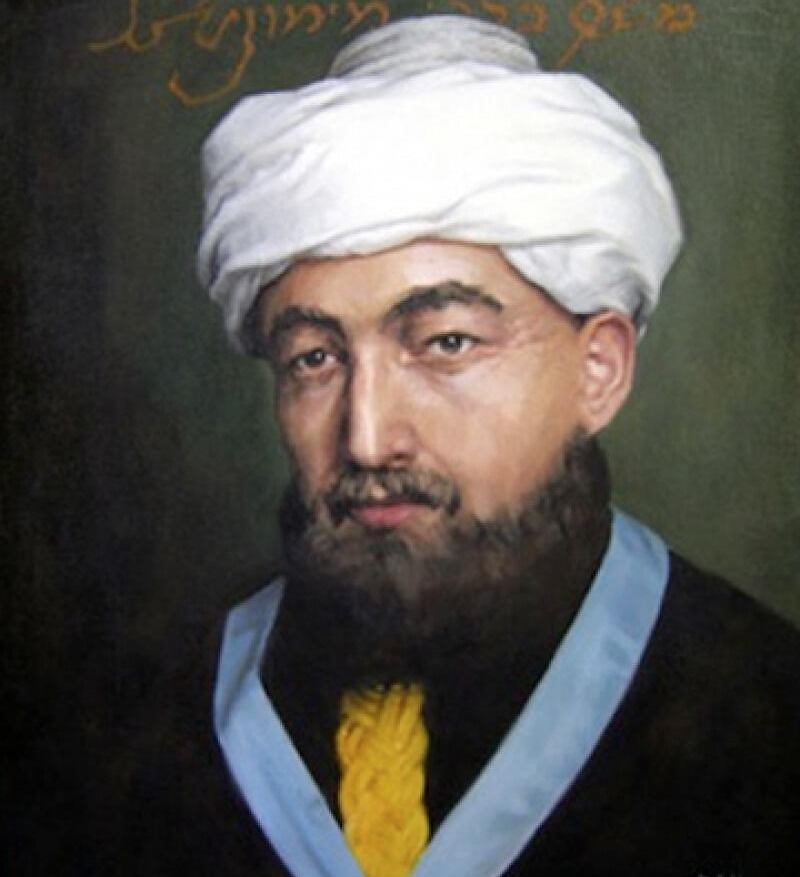


When the Rabboni Shalom gave Moshe Rabbeinu the Torah and Har Sinai, he gave him two Torahs.
In addition to that, he gave him something that we call the Torah Shabal Peh, the oral tradition.
So some of those are just oral traditions that explain what it says in the Chumash.
What is a pre-Eitz Hadar? What is that? What's that? How do you know that that's an esrog? Why is it that nobody in the history of the world ever thought it was a persimmon or something else? Because the Rambam says that's called pirushim ha-mikubalim.
So now, the job of the parshanim, the commentators, what they do for a living is figure out, when you're trying to tell me what is an esrog, why did you write prietz hadar? That's what the commentators do for breakfast, lunch, and dinner.
They're always trying to figure out what is going on between the text and the tradition.
So in the tradition is a whole bunch of things of how to interpret the Chumash, and then there's a section which is Rabbinic laws.
The rest of this transcript — segmented and speaker-labeled, so you land on the exact moment something was said
Search every transcript — by keyword, by phrase, or by meaning, across every show Radar indexes
Trends — what is surging across podcasts, measured against its own baseline
Alerts — when a name you follow appears in a newly indexed episode
No account is needed to search Radar.