Oct 5, 2026 · 46 min · 13 segments
In this Main Stage keynote, the former CEO of Unilever Paul Polman explains how to:- Build the right partnerships across your ecosystem — from suppliers and peers to competitors and communities — to…
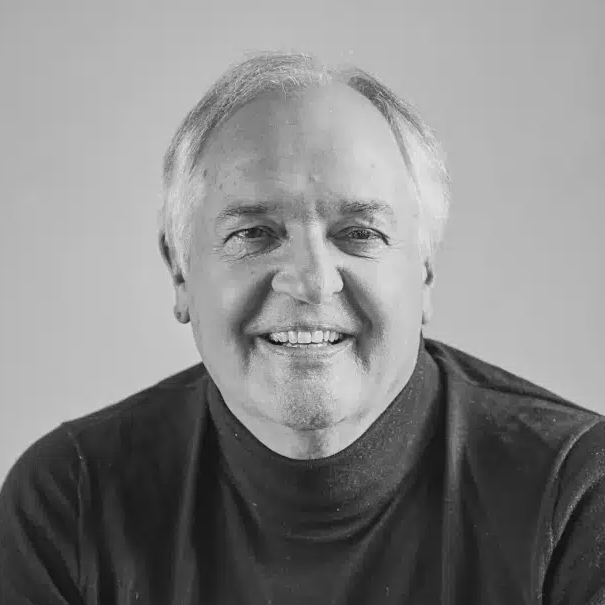
Paul PolmanGuest
During these 10 years, one of my highlights definitely was to help implement the Sustainable Development Goals, these famous 17 goals.

I know that's a lot for the average business person who has a hard time understanding the business he's in, how much money he earns, or the name of his wife, but the 17 goals are incredibly important.

The overall objective of these Sustainable Development Goals is to irreversibly eradicate poverty and do that in a more sustainable and equitable way.

It certainly fit with my mission and how I see the role of business and how we as a company could contribute to that became even clearer to me in that process of doing that.

But during my 10 years as time progressed, I saw these enormous opportunities, but I also increasingly became aware of some of the shortcomings that are inherently embedded in the jobs of CEOs.

main areas where the CEOs struggle today is in fact something that you've probably talked many times before with the many things going on in the world the tendency increasingly regretfully so is to pull down to the here and now and make that the urgence of action instead of the more important things and as a result we are overreacting to symptoms and never really have a chance to fully address these underlying causes that really drive these things.

But I also think it is very important that on the limited time that we have here on this wonderful planet Earth that we maximize our impact.

And as my time in Unilever progressed, I started feeling more and more I could do different things to really work on these system changes that we need to attack.

So I spent my time now mainly on bringing CEOs together across industries, in fact, focusing on the five Biggest industries that you might call have the most devastating effects on the sustainable development goals, but you could also turn that around and say you have the biggest opportunity.

If you get enough CEOs together in the room, you can actually create tipping points.

I always thought I needed to convince everybody in the world, but depending on the issues that you work on, with 5 or 10% of the people in the room, sometimes you might need 15%, you can actually create significant tipping points.

And this is where my energy goes right now, bringing these collectives together.

But there is another thing that actually gets in the way, which is easier to solve but harder to do, to be honest.

During these 10 years, one of my highlights definitely was to help implement the Sustainable Development Goals, these famous 17 goals.

I know that's a lot for the average business person who has a hard time understanding the business he's in, how much money he earns, or the name of his wife, but the 17 goals are incredibly important.

The overall objective of these Sustainable Development Goals is to irreversibly eradicate poverty and do that in a more sustainable and equitable way.

It certainly fit with my mission and how I see the role of business and how we as a company could contribute to that became even clearer to me in that process of doing that.

But during my 10 years as time progressed, I saw these enormous opportunities, but I also increasingly became aware of some of the shortcomings that are inherently embedded in the jobs of CEOs.

main areas where the CEOs struggle today is in fact something that you've probably talked many times before with the many things going on in the world the tendency increasingly regretfully so is to pull down to the here and now and make that the urgence of action instead of the more important things and as a result we are overreacting to symptoms and never really have a chance to fully address these underlying causes that really drive these things.

But I also think it is very important that on the limited time that we have here on this wonderful planet Earth that we maximize our impact.

And as my time in Unilever progressed, I started feeling more and more I could do different things to really work on these system changes that we need to attack.

So I spent my time now mainly on bringing CEOs together across industries, in fact, focusing on the five Biggest industries that you might call have the most devastating effects on the sustainable development goals, but you could also turn that around and say you have the biggest opportunity.

If you get enough CEOs together in the room, you can actually create tipping points.

I always thought I needed to convince everybody in the world, but depending on the issues that you work on, with 5 or 10% of the people in the room, sometimes you might need 15%, you can actually create significant tipping points.

And this is where my energy goes right now, bringing these collectives together.

But there is another thing that actually gets in the way, which is easier to solve but harder to do, to be honest.
The rest of this transcript — segmented and speaker-labeled, so you land on the exact moment something was said
Search every transcript — by keyword, by phrase, or by meaning, across every show Radar indexes
Trends — what is surging across podcasts, measured against its own baseline
Alerts — when a name you follow appears in a newly indexed episode
No account is needed to search Radar.