Sep 22, 2026 · 47 min · 9 segments
The hallmarks of liberal democracy are in decline as autocrats gain popularity and power. How did this happen – and what can we do about it? We sit down with Gerald Butts and Prof. Dietlind Stolle to…
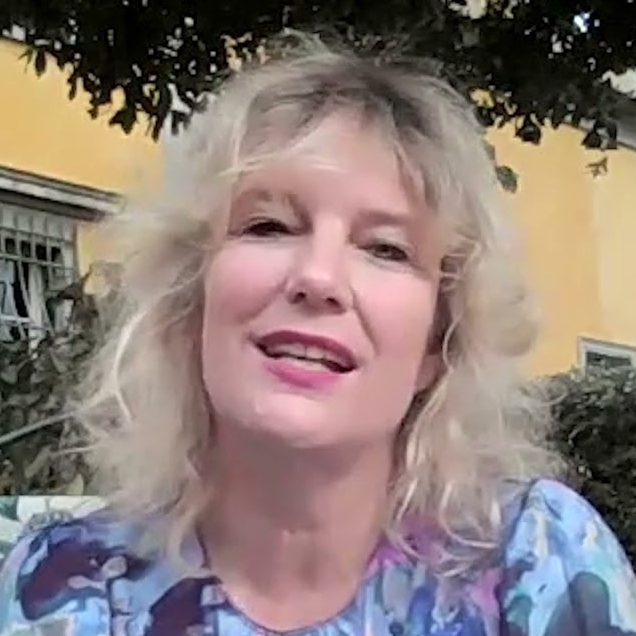
Dietlind StolleGuest
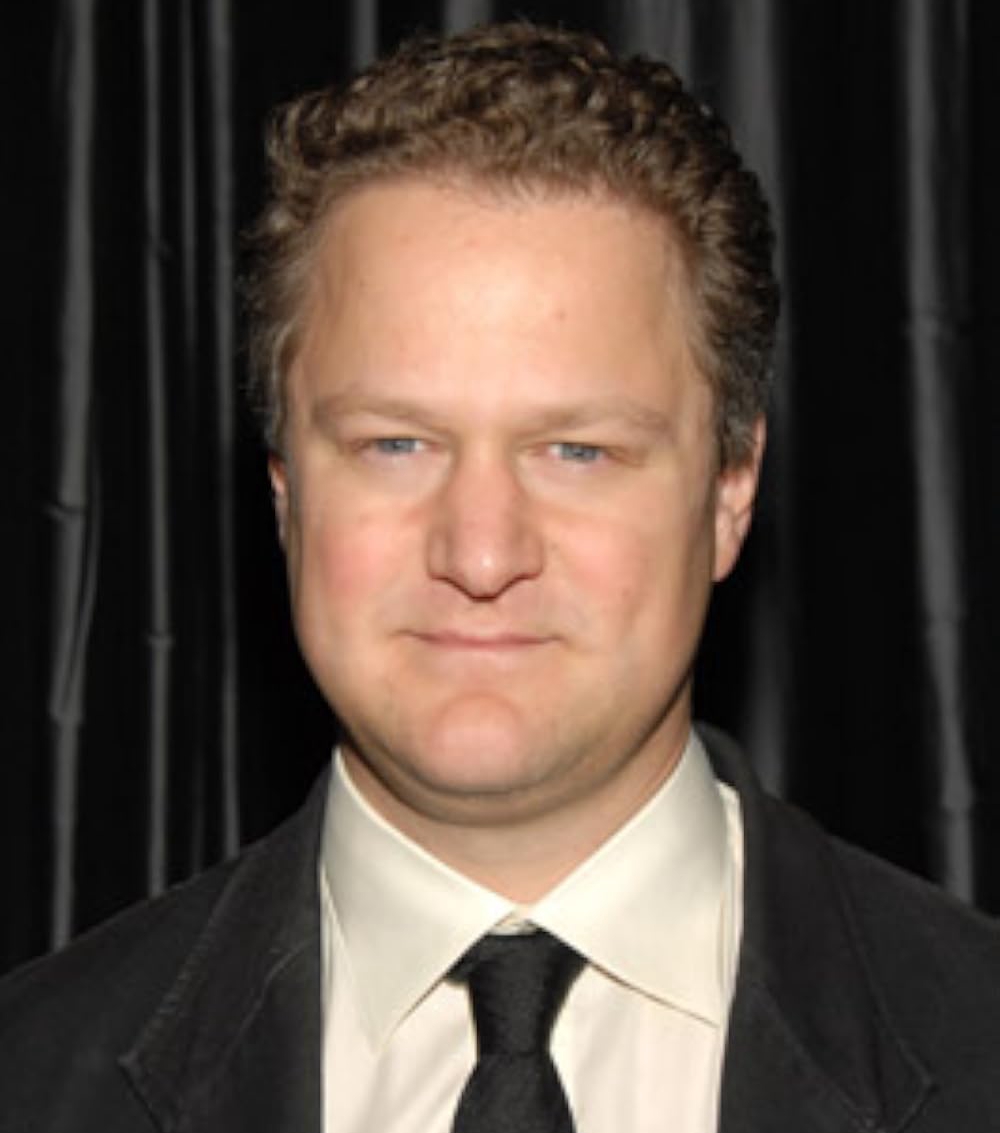
Gerald ButtsGuest
Brenna BaggsHost
And can you tell us, Dylan, in your research, what causes democratic backsliding? Why does it happen?

So in my research, I look at democratic vulnerability, I would say, at the intersection of three different factors.

So the one is the political leaders who are willing and interested in democratic erosion for their own benefit.

The other one, though, is something that is not as often talked about, is that citizens tolerate that process, that they are not neglecting it or that they are not fighting against it, that they are tolerating it and voting for it.

We might talk about the institutions that are either fostering or hampering that process.

And what my recent research has found is that this process of backsliding is very much supported in situations of crisis.

And here we are talking about political crises and economic crises like the financial crises, environmental crises, maybe immigration crisis, terrorism, wars and so on that produce a lot of anxiety for people and threats.

And in this kind of situation, what we see is that people who are typically interested in supporting democracy, they are reprioritizing.

So they are moving away from putting priority on the top position or close to the top.

They are reprioritizing democracy to move it farther to the bottom, but to rather look into policies that protect them.

It's a very understandable kind of process, but it is also supported, of course, by elites who use these crises and the anxiety that people feel and abuse it and kind of build inflammatory remarks about it to even foster optimism.

sometimes even manufacture these crises, right? And so that is kind of the interplay of what we are looking at.

I'm thinking actually, and I don't want to put words in your mouth and tell me if I'm wrong, but I'm thinking about COVID and how... during COVID, you know, I personally, you know, there was so much fear and anxiety, and I certainly felt fine with the government telling me, you know, get vaccinated, you know, don't walk around it.

I mean, that's a, you know, an extreme example, but I can see how in that moment there is that urge for self-preservation and a willingness to toe the line, I guess, if you feel that you're being protected.

I mean, the pandemic was an existential threat in different ways for different people, right? Some people felt for their lives and others felt for their livelihoods because they were an economic harm.

And can you tell us, Dylan, in your research, what causes democratic backsliding? Why does it happen?

So in my research, I look at democratic vulnerability, I would say, at the intersection of three different factors.

So the one is the political leaders who are willing and interested in democratic erosion for their own benefit.

The other one, though, is something that is not as often talked about, is that citizens tolerate that process, that they are not neglecting it or that they are not fighting against it, that they are tolerating it and voting for it.

We might talk about the institutions that are either fostering or hampering that process.

And what my recent research has found is that this process of backsliding is very much supported in situations of crisis.

And here we are talking about political crises and economic crises like the financial crises, environmental crises, maybe immigration crisis, terrorism, wars and so on that produce a lot of anxiety for people and threats.

And in this kind of situation, what we see is that people who are typically interested in supporting democracy, they are reprioritizing.

So they are moving away from putting priority on the top position or close to the top.

They are reprioritizing democracy to move it farther to the bottom, but to rather look into policies that protect them.

It's a very understandable kind of process, but it is also supported, of course, by elites who use these crises and the anxiety that people feel and abuse it and kind of build inflammatory remarks about it to even foster optimism.

sometimes even manufacture these crises, right? And so that is kind of the interplay of what we are looking at.

I'm thinking actually, and I don't want to put words in your mouth and tell me if I'm wrong, but I'm thinking about COVID and how... during COVID, you know, I personally, you know, there was so much fear and anxiety, and I certainly felt fine with the government telling me, you know, get vaccinated, you know, don't walk around it.

I mean, that's a, you know, an extreme example, but I can see how in that moment there is that urge for self-preservation and a willingness to toe the line, I guess, if you feel that you're being protected.

I mean, the pandemic was an existential threat in different ways for different people, right? Some people felt for their lives and others felt for their livelihoods because they were an economic harm.
The rest of this transcript — segmented and speaker-labeled, so you land on the exact moment something was said
Search every transcript — by keyword, by phrase, or by meaning, across every show Radar indexes
Trends — what is surging across podcasts, measured against its own baseline
Alerts — when a name you follow appears in a newly indexed episode
No account is needed to search Radar.