Going Underground Hosted by Afshin Rattansi
Aug 3, 2026 · 28 min · 14 segments
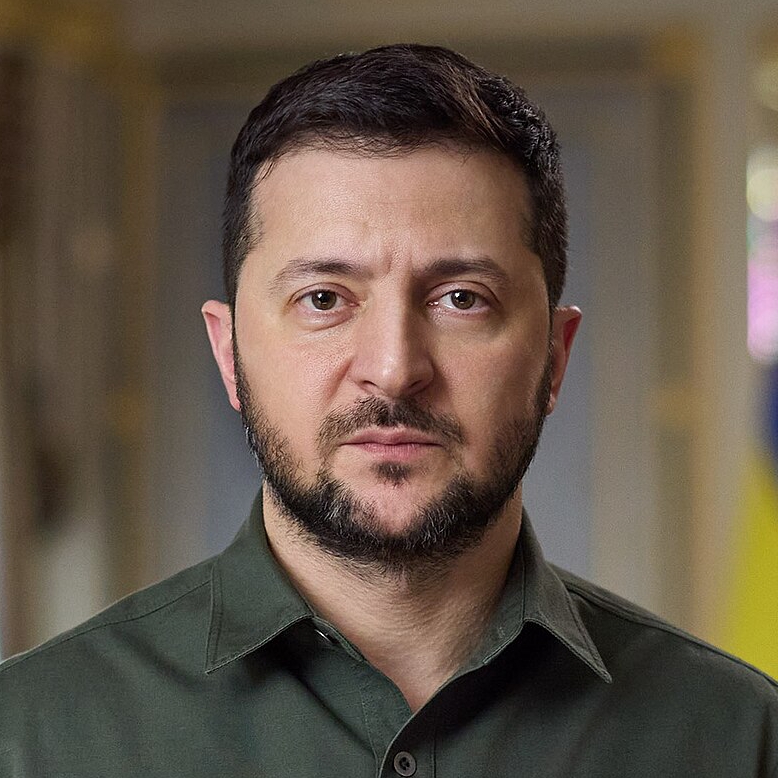
On this episode of Going Underground, we speak to Gabor Maté, Holocaust Survivor and renowned Trauma Specialist. He discusses why the last few years have been particularly tough to watch with the Gaza…
Afshin RattansiHost
It's been a while, actually, not since... before the most recent genocidal antics in Palestine.
I've seen wars, I've seen atrocities committed around the world by all kinds of parties.
These last few years have been particularly tough because never before have we seen it so nakedly reported and portrayed and available.
And to watch the world go by along its merry way largely ignoring um these horrors it's a new experience only because of the the way that's in our face right now we can't get away from it and yet we also feel so helpless in the face of it it's been emotionally very challenging and it breaks my heart

I mean, what is the impact of exposure to the images on social media? I mean, in a sense, of course, it's good that people get to know that things are happening in a way that we wouldn't have before, say, in the Korean War, when 20% of the population was wiped out.


What is the impact on people in the NATO countries that are funding these wars psychologically? Well, there's several
One is denial and just to try and escape from it so that we pay attention to trivialities that make no difference to our lives, such as which Hollywood star is marrying which football player, you know, and this gets a lot of attention, but it's all...
And there's something called moral injury, which is where you're watching something that goes against your heart, your values, and you're helpless to intervene.
And that's the most positive response, is that even if they can't immediately affect the events, they don't stay on the sidelines.
Denial, kind of a helpless moral injury, but also a lot of people are getting active and involved.
The rest of this transcript — segmented and speaker-labeled, so you land on the exact moment something was said
Search every transcript — by keyword, by phrase, or by meaning, across every show Radar indexes
Trends — what is surging across podcasts, measured against its own baseline
Alerts — when a name you follow appears in a newly indexed episode
No account is needed to search Radar.