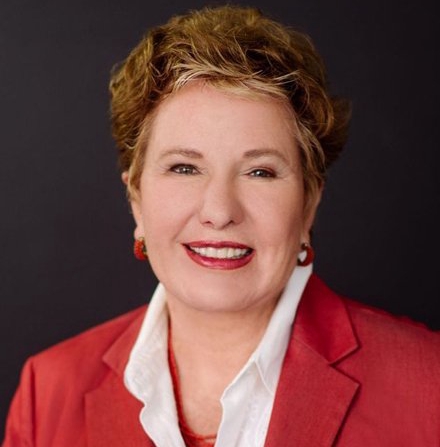
Helena Bottemiller EvichHost
Theodore RossHost
Uh, so Omnivore's Dilemma was published in 2006, and I believe that it introduced a lot of Americans to the idea of non-industrial farming, farming minus the chemicals, without relying on a single commodity crop.

What we're seeing now today, and this is something that Helena and I talk about on the show a lot, and I want to hear w- your thoughts about, is that those ideas that you described in, uh, Omnivore's Dilemma have been embraced by people in the MAHA movement specifically, and more generally by some people on the political right.
When I was writing, uh, Omnivore's Dilemma, you know, I spent a lot of time on Joel Salatin's farm in, uh, in Virginia, and he became sort of my model of a regenerative farm.
And, uh, one of the things I was really curious about is, like, this farm is in the middle of nowhere.
Who would, who would come here? How do you sell your food? And he said, "Well, people come from, you know...
They'll drive 100 miles to get pastured meat and eggs." And I was very curious who they were, and I hung around on sale day, and, um, there were these moms, uh, who would make the, the schlep f- from often great distances, and I interviewed some of them.
And, and many of them had kids who had some kind of illness that they were trying to essentially heal with food.
And, um, and they spoke passionately about grass-based agriculture, raw milk, um, uh, and food as medicine.
And I thought they were just kind of interesting characters who I hadn't met before.
Uh, and if I scratched I'm sure I would have found anti-vaxxers, too, although that wasn't sort of what I was interested in.
The rest of this transcript — segmented and speaker-labeled, so you land on the exact moment something was said
Search every transcript — by keyword, by phrase, or by meaning, across every show Radar indexes
Trends — what is surging across podcasts, measured against its own baseline
Alerts — when a name you follow appears in a newly indexed episode
No account is needed to search Radar.