Episode 157-The Bible Made me Catholic w/John Bergsma
Oct 1, 2026 · 1 hr 19 min · 11 segments
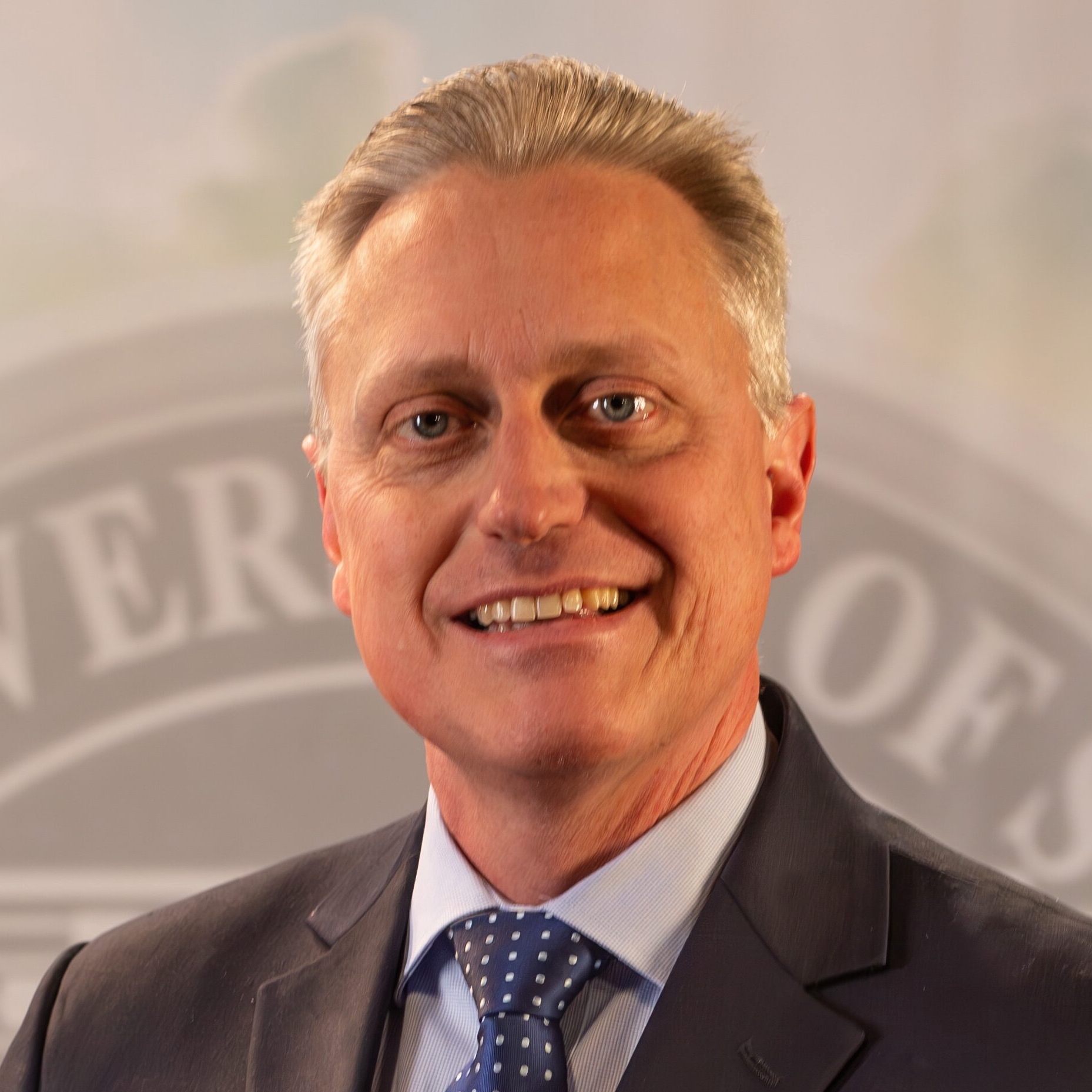
Dr. John Bergsma is Professor of Theology at the Franciscan University of Steubenville. A former Protestant pastor, Dr. Bergsma entered the Catholic Church in 2001 while getting his Ph.D. in Bible…
Dr. John Bergsma is Professor of Theology at the Franciscan University of Steubenville. A former Protestant pastor, Dr. Bergsma entered the Catholic Church in 2001 while getting his Ph.D. in Bible from the University of Notre Dame. A close collaborator of Dr. Scott Hahn, Bergsma speaks regularly on Catholic radio and at conferences and parishes nationally and internationally. He has authored over a dozen books on Scripture and the Catholic faith, including Bible Basics for Catholics (Ave Maria Press), Stunned by Scripture: How the Bible Made Me Catholic (Our Sunday Visitor), and A Catholic Introduction to the Bible: Old Testament (with Brant Pitre; Ignatius Press). Dr. Bergsma's talks and studies are available on CD and mp3 from catholicproductions.com. He and his wife Dawn reside with their eight children in Steubenville, Ohio. Check out the new Bible Study App from the St. Paul Center for Biblical Theology. https://stpaulcenter.com/app?utm\source=keith\nester&utm\medium=youtube&utm\campaign=app\launch\2026 Thank you to the St. Paul Center for Biblical Theology for hosting this interview. https://stpaulcenter.com/ Catholic Feedback is a production of Down to Earth Ministry, which provides encouragement and resources for those considering, converting, and growing in Catholicism. Subscribe to our mailing list: Text D2E to 66866 👇 How to Support Down to Earth Ministry Website Giving (Tax-Deductible & Easiest Way to Give): "If you believe in the work we do and want a simple way to support it—this is it." https://down2earthministry.org/donate Patreon (Join our Supporters for as little as $5/month): "When you give through Patreon, you're not just supporting us—you're helping direct the mission."  👇 Stay Connected and Explore More Keith's Website: https://down2earthministry.org/ Book Keith to Speak: https://down2earthministry.org/in-person/ Sign up for our Newsletter: https://down2earthministry.org/subscribe Rosary Crew YouTube:  👇 Keith's Books The Convert's Guide to Roman Catholicism: Your First Year in the Church Amazon: https://a.co/d/441zeP8 Website: https://down2earthministry.org/the-book/ Unpacking the Mysteries of the Rosary Amazon: https://a.co/d/il5QQG3 Website: https://down2earthministry.org/the-book/ 👇Shop Shop our Store: https://shop.stewardshipmission.com/c... 👇 Socials Facebook:  Rosary Crew Facebook:  X (Twitter): https://x.com/keithnester1?lang=en Instagram:  #Catholic #CatholicConvert #RCIA #OCIA #CatholicFaith #NewCatholic
Dr. John Bergsma is Professor of Theology at the Franciscan University of Steubenville. A former Protestant pastor, Dr. Bergsma entered the Catholic Church in 2001 while getting his Ph.D. in Bible…