Care More Be Better: A Podcast For Sustainable Social Impact and Regeneration
Juneteenth Feature: Angela Glover Blackwell's Reimagining Democracy For A Good Life - Episode 1: Los Angeles
Jun 19, 2026 · 31 min · 14 segments
In honor of Juneteenth, we're sharing something special: the opening chapter of *Reimagining Democracy for a Good Life*, the podcast hosted by legendary equity advocate Angela Glover Blackwell…
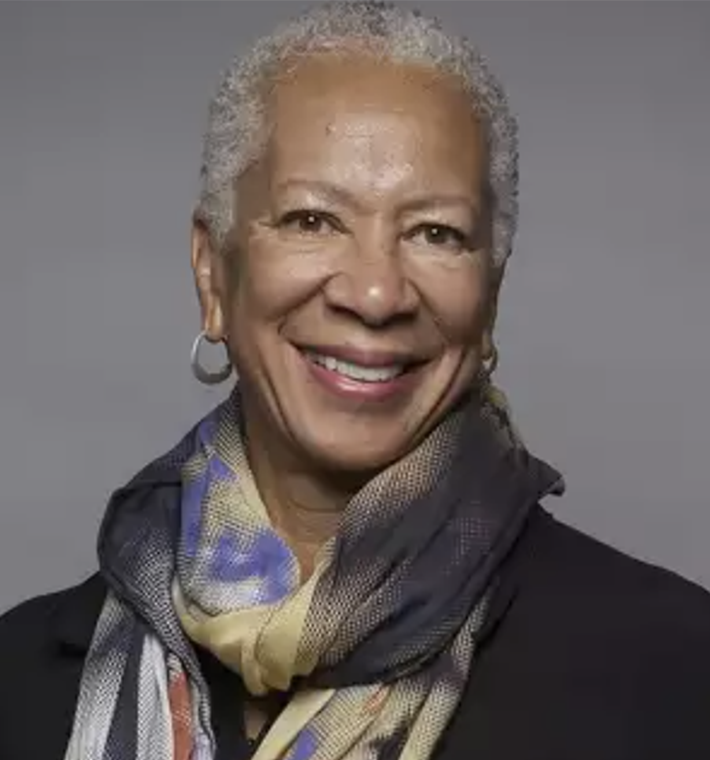
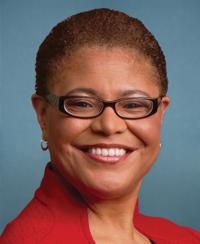
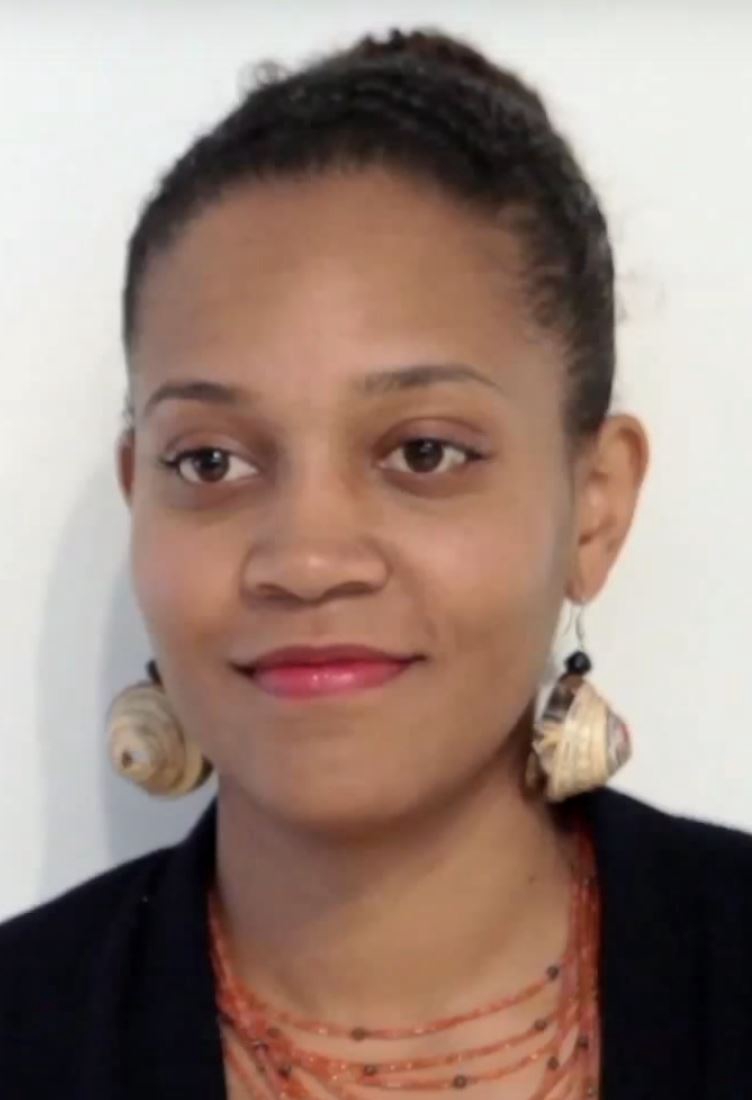
In honor of Juneteenth, we're sharing something special: the opening chapter of *Reimagining Democracy for a Good Life*, the podcast hosted by legendary equity advocate Angela Glover Blackwell, founder in residence of PolicyLink. In "Democracy Dreaming," Angela takes us to Los Angeles, a city she didn't expect to become a hopeful case study in multiracial democracy, and shows us why it might be exactly that. Featuring voices from LA Mayor Karen Bass, economist Manuel Pastor, Community Coalition CEO Alberto Retana, young housing organizer Tiffany Benitez, advocate Denise Fairchild, and the poetry of Chinaka Hodge, this episode reframes democracy not as something we have, but as something we practice. Angela's second season is coming soon, and we're thrilled to share that we'll be sitting down with Angela herself in early July, with that conversation releasing later next month. Got a question you'd love us to ask her? Send it to [hello@caremorebebetter.com](mailto:hello@caremorebebetter.com). **Chapter Markers** *(relative timestamps, mapped from the original episode)* - 3:09 — Why Angela's spent half a century in this work - 4:07 — Memory of the municipal opera, and being shielded from hate - 4:53 — Newsreel montage: January 6th, book bans, voting rights battles - 5:26 — Reframing the conversation: realizing democracy's potential, not just naming its threats - 6:07 — Why multiracial democracy means everybody, including white people - 6:21 — Chinaka Hodge's poem, "All Power to the People" - 6:56 — Welcome to Reimagining Democracy for a Good Life - 7:26 — Why Los Angeles: the election of Mayor Karen Bass - 8:17 — What draws Angela to Bass's leadership style - 8:56 — Defining "human flourishing" - 9:17 — The decades of organizing behind one election - 9:46 — LA's origins: Indigenous land, Mexican founders, Asian Pacific Islander neighborhoods, the Great Migration - 11:21 — The brutality beneath the diversity: stolen land, segregation, racial violence - 11:41 — A history of protest: Watts 1965, East LA walkouts 1968, the 1992 uprising - 12:38 — Manuel Pastor on the lessons organizers drew from 1992 - 13:41 — How modern LA's multiracial coalition-building emerged - 14:16 — Alberto Retana on unity, struggle, and naming the real opposition - 15:20 — What actually makes LA's leadership unique - 16:12 — The reality check: LA's poverty, homelessness, and housing crisis - 17:10 — Tiffany Benitez's story: displacement in Boyle Heights - 19:10 — Tiffany on organizing as the answer to insecurity - 20:04 — Denise Fairchild on what it means to flourish - 21:16 — Interconnectedness: democracy, people, and planet - 21:42 — Chinaka Hodge's poem, on what we're owed and what we want - 22:33 — The Constitution's contradiction, and its capacity to grow - 23:23 — The bigger question: can any democracy ever fully serve a diverse population? - 23:39 — Why LA, and why this matters beyond LA - 24:43 — Preview of next chapter: "There's No I in Leader" - 25:17 — Credits and closing reflection on voting **Resources & Links** - Follow *Reimagining Democracy for a Good Life*: wherever you listen to podcasts Apple: https://podcasts.apple.com/us/podcast/reimagining-democracy-for-a-good-life/id1742644681 - Radical Imagination Instagram: https://www.instagram.com/radicalimagination.us/ - Learn more about PolicyLink: https://www.policylink.org/ - Have a question for our upcoming interview with Angela Glover Blackwell? Email [hello@caremorebebetter.com](mailto:hello@caremorebebetter.com) - Protest Interview with Annie Leonard and Andre Carothers: https://caremorebebetter.com/if-we-lose-the-right-to-protest-we-lose-everything-with-annie-leonard-andre-carothers/ **BUILD A GREENER FUTURE:** Together, we planted 36,044 trees in 2025 through our partnership with ForestPlanet https://forestplanet.org/ **CAUSE PARTNER:** Support Prescott College https://prescott.edu/ — visit https://caremorebebetter.com/support/ for details. **Follow Care More Be Better:** YouTube: https://www.youtube.com/c/caremorebebetter TikTok: https://www.tiktok.com/@caremorebebetter Instagram: https://www.instagram.com/caremorebebetter Facebook: https://www.facebook.com/CareMoreBeBetter LinkedIn: https://www.linkedin.com/company/care-more-be-better Hosted by Simplecast, an AdsWizz company. See pcm.adswizz.com for information about our collection and use of personal data for advertising.
In honor of Juneteenth, we're sharing something special: the opening chapter of *Reimagining Democracy for a Good Life*, the podcast hosted by legendary equity advocate Angela Glover Blackwell…