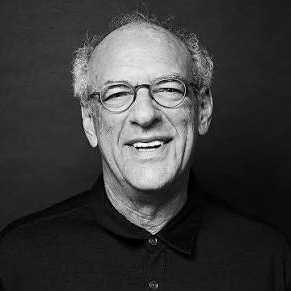
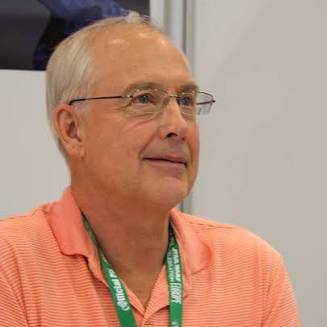
Season 3 of *Working the Fright Shift* opens with a landmark conversation recorded live at the world‑famous Halloween convention, *Midsummer Scream*. Ted Dougherty sits down with David Bertolino—the creator of *Spooky World*, one of the most influential and wildly ambitious Halloween scream parks ever built. Long before modern scream parks became the norm, Spooky World blended celebrity appearances, horror icons, elaborate sets, and outrageous entertainment into a Halloween destination that helped define an entire generation of fear‑based experiences.
In this special live episode, David shares stories from the early days of building a haunt empire, the unexpected moments that shaped Spooky World’s legacy, and how its impact continues to ripple through the industry today.
This week’s Horror Blueprint opens the door to a curious corner of fear—those strange beliefs people cling to when the unknown feels a little too close. And in Echoes of the Past, we tune into a chilling chapter of horror history where terror traveled not through visuals, but through something far more invisible… and far more unsettling.
Season 3 begins with a legend, a live audience, and a journey into the strange corners of fear that still whisper to us.
*Clock in to Working the Fright Shift - there’s a fresh chill in the air, and it’s looking right at you.*