Urbcast - a podcast about cities (podcast o miastach)
May 27, 2026 · 40 min · 10 segments
Can urban innovation save Europe’s cities? 🤔 I’m really excited to share this conversation with **Ditte Lysgaard Vind** - **Chief Science & Innovation Officer at** **BLOXHUB**, one of Europe’s…
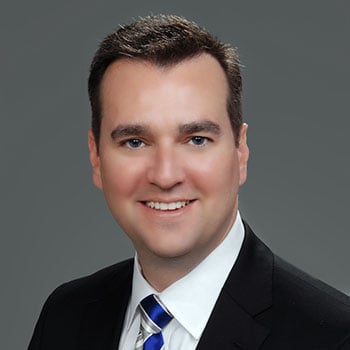
Ditte Lysgaard VindGuest
Marcin Wojciech ŻebrowskiHostUm, I'm very happy that, uh, we will discuss today a topic that is extremely, extremely interesting.
I would like to discuss urban innovation, although I know this is not the only topic you are very, very fond of and, uh, you have experience spanning across urbanism, circularity, architecture, and so on.
Um, so we can of course mention those topics in the discussion as well, but lately we've been developing a very interesting project together, namely the, The Copenhagen Way.
And one of the chapters in this report is about urban innovation, um, especially, uh, in the European context and how the Eur- how the European cities can basically, um, step up their game in urban innovation.
But maybe to start with, could you tell us why urban innovation is an important topic? What is interesting in this to- in this topic for you personally, and also, what is urban innovation in, in your understanding?

I am super passionate about innovation, which sounds maybe weird, but, but if you, like, the history of innovations, how the things that we now take for granted came to be, I find to be super fascinating.

So if we, you know, climate mitigation, climate adaptation, the lack of affordability, and then the need for European competitiveness and independence, I can't see, uh, a, a way to solve that without getting much better at innovating.

And, and from that innovation being, you know, taking ideas and commercialize them at market or putting them out into society.

But the, the, the f- the process from idea to application is, is where we really need to get better, and cities just play a fantastic role in that because cities are where people and innovators meet, and it's where there's the most likelihood of, of then those meetings to take place.

It's, it's quite seldom that innovation comes from this, uh, lone individual.

It, it's much more likely that there's a critical mass that the city brings that allows for those meetings to happen, and sometimes it will be, you know, intentional meetings, and sometimes it'll be chance meetings.

But, but the more we have that density of innovators, of curious minds, the more likely it is that innovation happens.
Um, I'm very happy that, uh, we will discuss today a topic that is extremely, extremely interesting.
I would like to discuss urban innovation, although I know this is not the only topic you are very, very fond of and, uh, you have experience spanning across urbanism, circularity, architecture, and so on.
Um, so we can of course mention those topics in the discussion as well, but lately we've been developing a very interesting project together, namely the, The Copenhagen Way.
And one of the chapters in this report is about urban innovation, um, especially, uh, in the European context and how the Eur- how the European cities can basically, um, step up their game in urban innovation.
But maybe to start with, could you tell us why urban innovation is an important topic? What is interesting in this to- in this topic for you personally, and also, what is urban innovation in, in your understanding?

I am super passionate about innovation, which sounds maybe weird, but, but if you, like, the history of innovations, how the things that we now take for granted came to be, I find to be super fascinating.

So if we, you know, climate mitigation, climate adaptation, the lack of affordability, and then the need for European competitiveness and independence, I can't see, uh, a, a way to solve that without getting much better at innovating.

And, and from that innovation being, you know, taking ideas and commercialize them at market or putting them out into society.

But the, the, the f- the process from idea to application is, is where we really need to get better, and cities just play a fantastic role in that because cities are where people and innovators meet, and it's where there's the most likelihood of, of then those meetings to take place.

It's, it's quite seldom that innovation comes from this, uh, lone individual.

It, it's much more likely that there's a critical mass that the city brings that allows for those meetings to happen, and sometimes it will be, you know, intentional meetings, and sometimes it'll be chance meetings.

But, but the more we have that density of innovators, of curious minds, the more likely it is that innovation happens.
The rest of this transcript — segmented and speaker-labeled, so you land on the exact moment something was said
Search every transcript — by keyword, by phrase, or by meaning, across every show Radar indexes
Trends — what is surging across podcasts, measured against its own baseline
Alerts — when a name you follow appears in a newly indexed episode
No account is needed to search Radar.