UlyssesIn80-Reading James Joyce Masterpiece in 80 Days
Aug 13, 2026 · 50 min · 10 segments
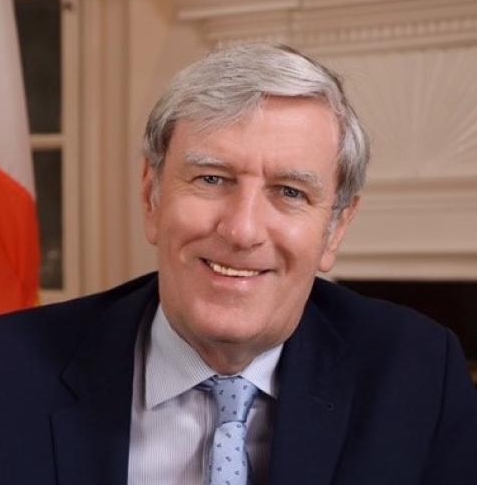
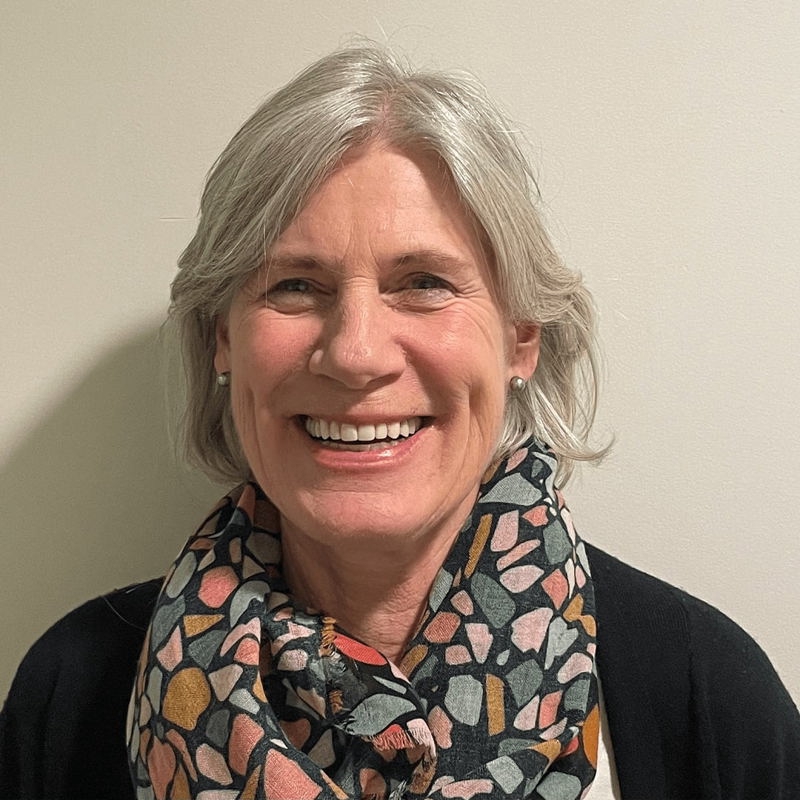
In this episode of *Ulysses in 80*, Mark Sanford Gross and Cliona O’Farrelly are joined by Daniel Mulhall, former Irish Ambassador to the United States and author of *Ulysses: A Reader’s Odyssey*…
Daniel MulhallGuest
Mark Sanford GrossHost
Cliona O'FarrellyHostOne of the topics that we kind of touched on when we were in preparation for this was about the comparison between the Gilded Age, what was happening basically in America and in Ireland at the same time.
Addressing this topic is particularly pertinent now that we're in Ithaca, where there is so much discussion of money.
Yes, we know Ireland was just so different to what was so poverty stricken in terms of finance, why the culture and the writing was burgeoning.

I have this concept, which I've written about a few times, and I plan to write a book on it at some stage, if I'm able to go on for as long as I hope to go on for, at least to be able to write more books, because I really enjoy the art of writing.

What I've always been fascinated by is the fact that, say between 1890 and 1941, when Joyce died, you had 50 years, right? Parnell died in 1891, and Joyce died in 1941.

And in that 50 years, you had a kind of a political transformation of Ireland through the 1916 Rising, the War of Independence, the coming of independence, the Anglo-Irish Treaty, the Civil War, and then the development of the Irish Free State in fairly difficult circumstances, given what was happening in the world in the 20s and 30s.

On the literary side, you had WB Yeats, I would say probably the leading poet of the 20th century in the English language.

I don't make any claims beyond that because it's much more difficult to do that.

I would say a very convincing argument can be made for Joyce as the greatest novelist of the 20th century.

You could argue, certainly the three great plays that he wrote, you know, in The Peacock, A Shadow of a Gunman and The Plough and the Stars.

You could make an argument for O'Casey as one of the great playwrights of the 20th century.

You had a whole generation, really, of writers of high quality who emerged from Ireland at that time.

And I suppose, for me at least, that was the first time when Ireland developed an indigenous movement.

Because if you look back at the history of Ireland from the late 18th century, The United Irishmen were basically drawing inspiration from the American Revolution and the French Revolution.

It was a derivative movement, if you like, promoting ideas that had been developed elsewhere.
One of the topics that we kind of touched on when we were in preparation for this was about the comparison between the Gilded Age, what was happening basically in America and in Ireland at the same time.
Addressing this topic is particularly pertinent now that we're in Ithaca, where there is so much discussion of money.
Yes, we know Ireland was just so different to what was so poverty stricken in terms of finance, why the culture and the writing was burgeoning.

I have this concept, which I've written about a few times, and I plan to write a book on it at some stage, if I'm able to go on for as long as I hope to go on for, at least to be able to write more books, because I really enjoy the art of writing.

What I've always been fascinated by is the fact that, say between 1890 and 1941, when Joyce died, you had 50 years, right? Parnell died in 1891, and Joyce died in 1941.

And in that 50 years, you had a kind of a political transformation of Ireland through the 1916 Rising, the War of Independence, the coming of independence, the Anglo-Irish Treaty, the Civil War, and then the development of the Irish Free State in fairly difficult circumstances, given what was happening in the world in the 20s and 30s.

On the literary side, you had WB Yeats, I would say probably the leading poet of the 20th century in the English language.

I don't make any claims beyond that because it's much more difficult to do that.

I would say a very convincing argument can be made for Joyce as the greatest novelist of the 20th century.

You could argue, certainly the three great plays that he wrote, you know, in The Peacock, A Shadow of a Gunman and The Plough and the Stars.

You could make an argument for O'Casey as one of the great playwrights of the 20th century.

You had a whole generation, really, of writers of high quality who emerged from Ireland at that time.

And I suppose, for me at least, that was the first time when Ireland developed an indigenous movement.

Because if you look back at the history of Ireland from the late 18th century, The United Irishmen were basically drawing inspiration from the American Revolution and the French Revolution.

It was a derivative movement, if you like, promoting ideas that had been developed elsewhere.
The rest of this transcript — segmented and speaker-labeled, so you land on the exact moment something was said
Search every transcript — by keyword, by phrase, or by meaning, across every show Radar indexes
Trends — what is surging across podcasts, measured against its own baseline
Alerts — when a name you follow appears in a newly indexed episode
No account is needed to search Radar.