The Building Resilient Kids Podcast
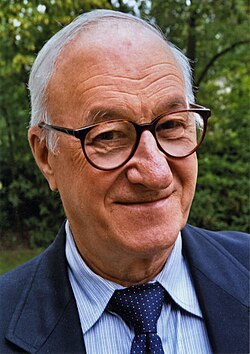
Ben Pronk – Former SAS Officer, Leadership Expert and Author of We Are All Going to Die
Jul 30, 2026 · 58 min · 13 segments
"Our Kids Should Fight to Be Happy: Why Resilience May Be the Foundation of a Flourishing Life" In this thought-provoking episode of *Building Resilient Kids*, host Tim Curtis is joined by former…
"Our Kids Should Fight to Be Happy: Why Resilience May Be the Foundation of a Flourishing Life" In this thought-provoking episode of *Building Resilient Kids*, host Tim Curtis is joined by former Australian SAS officer, leadership expert, bestselling author and long-time friend Ben Pronk to explore one of life's biggest questions: What does it really mean for our kids to be happy? While many parents say they simply want their children to be happy, Ben challenges us to reconsider what happiness actually is and whether modern life has quietly led us astray. Drawing on philosophy, neuroscience, psychology and positive psychology, Ben argues that lasting happiness isn't found through comfort, achievement or material success. Instead, it emerges from a balance of pleasure and purpose, meaningful relationships, gratitude and the willingness to embrace struggle. Together, Tim and Ben unpack why resilience may not simply support happiness—it may be one of its essential foundations. They explore why today's children are growing up in a world of unprecedented comfort, comparison and digital distraction, yet increasing rates of anxiety, loneliness and poor wellbeing. The conversation also examines why failure is an essential teacher, why parents should resist removing every obstacle from a child's path, and how modelling gratitude, curiosity and presence shapes children's understanding of what a good life looks like. Blending ancient philosophy with practical parenting, this episode offers a refreshing reminder that our goal is not to raise children who avoid hardship—but children who develop the confidence, character and resilience to flourish because of it. Key Themes and Takeaways - Why happiness is more than simply feeling good. - The difference between pleasure and purpose—and why children need both. - Why resilience may be the foundation of lasting happiness. - The psychology behind why humans are surprisingly poor judges of what will make them happy. - How comparison quietly steals joy, particularly in the age of social media. - Why gratitude is one of the simplest habits for improving wellbeing. - The importance of allowing children to experience challenge, setbacks and failure. - Why meaningful relationships remain the strongest predictor of long-term wellbeing. - How parents unintentionally model happiness every day through their own behaviours. - What Aristotle, Stoicism, Epicureanism and modern neuroscience all agree about living a flourishing life. - Why comfort should never become the ultimate parenting goal. - How recognising life's finite nature can help us become more present with the people who matter most. More About Ben Ben Pronk is a former Australian Army officer who served for more than a decade in the Special Air Service Regiment (SAS), including operational deployments to East Timor, Iraq and Afghanistan. Following his military career, Ben co-founded Mettle Global, where he works with organisations around the world to develop resilient leaders, high-performing teams and adaptive cultures. Ben is the co-author (with Dr Dan Pronk and Tim Curtis) of The Resilience Shield, an evidence-based framework for building resilience across the mind, body, social and professional domains. His latest book, We Are All Going to Die, published by Pan Macmillan, explores one of humanity's oldest questions: how can we build a happier, richer and more meaningful life? Combining philosophy, neuroscience, psychology and humour, Ben offers practical insights into flourishing in an increasingly complex world. Through writing, keynote presentations and leadership development, Ben continues to help individuals and organisations rethink resilience, purpose and what it truly means to live well. Resources Ben Pronk — https://www.benpronk.com We Are All Going to Die — Ben Pronk (Pan Macmillan) The Resilience Shield — https://resilienceshield.com Building Resilient Kids — https://resilienceshield.com/kids The Harvard Study of Adult Development — Harvard University Aristotle's *Nicomachean Ethics* (Eudaimonia) Meditations — Marcus Aurelius The Myth of Sisyphus — Albert Camus Quote of the Episode "Fight to be happy." Another Memorable Quote "Happiness is a balance of pleasure and purpose." One More Worth Remembering "I want struggle for my kids."
"Our Kids Should Fight to Be Happy: Why Resilience May Be the Foundation of a Flourishing Life" In this thought-provoking episode of *Building Resilient Kids*, host Tim Curtis is joined by former…