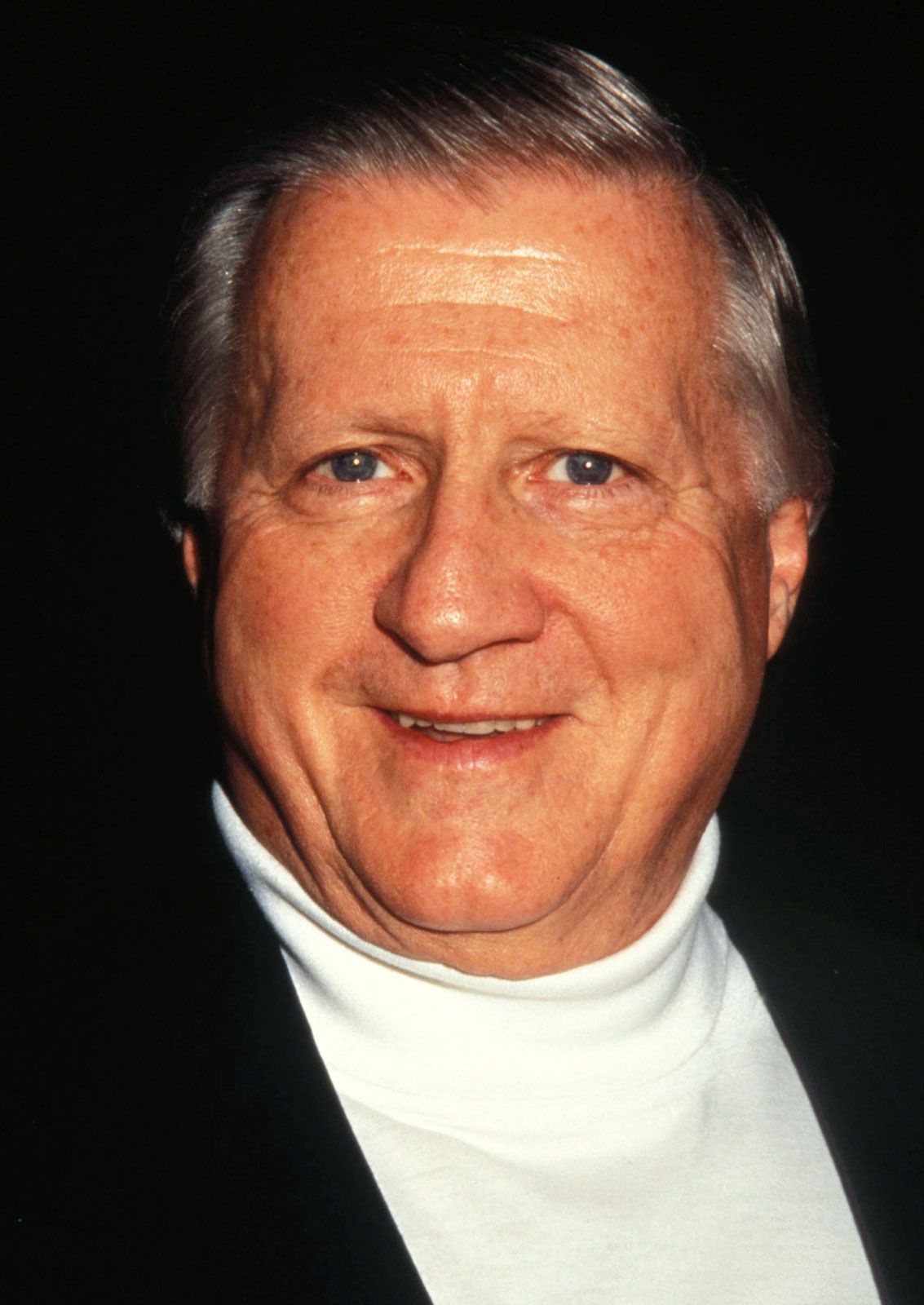
David RubensteinGuest
Jacob FeldmanHostSo I, I wanna back up to, you obviously grew up as a sports fan, including a fan of the Orioles.
Um, but professionally, a- as you were building Carlyle into a private equity giant, I'm curious if there was a moment that you remember where you started looking at sports teams not just as the thing that fans root for, but as an asset class that, that was interesting from a financial perspective as well.

I, I didn't really look at it as an asset class that was gonna be financially rewarding.

Um, I did have a chance early on in the Carlyle career, obviously, to, to buy the Washington Wizards and the Washington Caps.

Uh, the, the owner was a friend of mine, Abe Pollin, and he was thinking about selling minority stakes in those teams, which would eventually lead to control.

And the reason I didn't do it is because as I was building Carlyle, I thought my investors would say, "What are you doing?"

Uh, you know, "You're supposed to working on, on making my money more valuable, not going out and buying sports teams." But I was wrong in many respects.

Many people in the private equity world, Josh Harris being a good example, Mark Lazary another one, who went out and bought sports teams.

Their business still thrived, and they made a fair amount of, of money, or at least on paper they made a lot of money, um, buying the sports teams.

So, uh, maybe I s- was shortsighted, but on the end I'm, I'm happy where I am, which is I, after I stepped down as being the co-CEO of Carlyle, I didn't have quite the same responsibilities to investors, and therefore I could, could dabble in this if it made, it made sense.

It's a, a bit, uh, a- as you mentioned early on in the book about kinda your pre-ownership years, and I- I'm curious k- uh, what your reaction was at that point from the outside as valuations were growing, as people w- with an experience in the financial industry were, were getting in.

Were you skeptical of what was happening and, and, and, and came around to it? Or h- how did, how did your perspective evolve a- as it bec- it has become such a m- a much more-

As a general rule of thumb in, in life, when people see things happen they didn't think would happen, they say, "The world's not gonna continue that way, and I'm smarter than other people-"

so eventually the world will go in the direction I thought it was supposed to go."

Uh, valuations, uh, as I often am, valuations tend to go much higher than I ever dream.
So I, I wanna back up to, you obviously grew up as a sports fan, including a fan of the Orioles.
Um, but professionally, a- as you were building Carlyle into a private equity giant, I'm curious if there was a moment that you remember where you started looking at sports teams not just as the thing that fans root for, but as an asset class that, that was interesting from a financial perspective as well.

I, I didn't really look at it as an asset class that was gonna be financially rewarding.

Um, I did have a chance early on in the Carlyle career, obviously, to, to buy the Washington Wizards and the Washington Caps.

Uh, the, the owner was a friend of mine, Abe Pollin, and he was thinking about selling minority stakes in those teams, which would eventually lead to control.

And the reason I didn't do it is because as I was building Carlyle, I thought my investors would say, "What are you doing?"

Uh, you know, "You're supposed to working on, on making my money more valuable, not going out and buying sports teams." But I was wrong in many respects.

Many people in the private equity world, Josh Harris being a good example, Mark Lazary another one, who went out and bought sports teams.

Their business still thrived, and they made a fair amount of, of money, or at least on paper they made a lot of money, um, buying the sports teams.

So, uh, maybe I s- was shortsighted, but on the end I'm, I'm happy where I am, which is I, after I stepped down as being the co-CEO of Carlyle, I didn't have quite the same responsibilities to investors, and therefore I could, could dabble in this if it made, it made sense.

It's a, a bit, uh, a- as you mentioned early on in the book about kinda your pre-ownership years, and I- I'm curious k- uh, what your reaction was at that point from the outside as valuations were growing, as people w- with an experience in the financial industry were, were getting in.

Were you skeptical of what was happening and, and, and, and came around to it? Or h- how did, how did your perspective evolve a- as it bec- it has become such a m- a much more-

As a general rule of thumb in, in life, when people see things happen they didn't think would happen, they say, "The world's not gonna continue that way, and I'm smarter than other people-"

so eventually the world will go in the direction I thought it was supposed to go."

Uh, valuations, uh, as I often am, valuations tend to go much higher than I ever dream.
The rest of this transcript — segmented and speaker-labeled, so you land on the exact moment something was said
Search every transcript — by keyword, by phrase, or by meaning, across every show Radar indexes
Trends — what is surging across podcasts, measured against its own baseline
Alerts — when a name you follow appears in a newly indexed episode
No account is needed to search Radar.