Sep 25, 2026 · 58 min · 10 segments
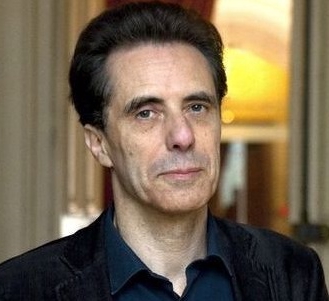
With an eye toward lessons for law students and lawyers, in particular, Burgis will talk with law professor Kevin Walsh about forming a solid self who can act with integrity and courage in real…
Luke BurgisGuestWell, it does cover a lot of ground and a lot of different different literatures.
I think it might be helpful to to to kind of look at it from a structural point of view first before we and we won't go just beginning to end.
But it has a prologue, an introduction.
There's 10 chapters in three parts.
OK, so I thought, all right, a three part structure first.
This is not that remarkable.
There's lots of books with three-part structures.
Well, what are the three parts of the book? How is it structured? Because this is a question we can't ask Aquinas, right? Why is the structure what it is, right? It's supposed to be, in some ways, evident to the reader and to take you through, but I think if you could describe the structure of the book and the why of that structure.

It's meant to have kind of a natural order to it, and the very structure should say something.


And it's the whole first part of the book, the tension between the one and the many.

What does it mean to be myself, but also to exist in a world of social relationships where people have expectations on me? What is that fundamental tension? So just kind of describing the world and trying to help everyone identify and locate that tension within themselves.

And this, by the way, the one in the many is one of the most fundamental classical questions of metaphysics.

What does it mean to be a self? What is the selfhood of a human person? And in a very fractured world where our self or our sense of self can feel hold in many different directions, especially with technology.

And the whole chapter on technology about the way that it's sort of making us feel like we have 99 selves sometimes.

Well, it does cover a lot of ground and a lot of different different literatures.
I think it might be helpful to to to kind of look at it from a structural point of view first before we and we won't go just beginning to end.
But it has a prologue, an introduction.
There's 10 chapters in three parts.
OK, so I thought, all right, a three part structure first.
This is not that remarkable.
There's lots of books with three-part structures.
Well, what are the three parts of the book? How is it structured? Because this is a question we can't ask Aquinas, right? Why is the structure what it is, right? It's supposed to be, in some ways, evident to the reader and to take you through, but I think if you could describe the structure of the book and the why of that structure.

It's meant to have kind of a natural order to it, and the very structure should say something.


And it's the whole first part of the book, the tension between the one and the many.

What does it mean to be myself, but also to exist in a world of social relationships where people have expectations on me? What is that fundamental tension? So just kind of describing the world and trying to help everyone identify and locate that tension within themselves.

And this, by the way, the one in the many is one of the most fundamental classical questions of metaphysics.

What does it mean to be a self? What is the selfhood of a human person? And in a very fractured world where our self or our sense of self can feel hold in many different directions, especially with technology.

And the whole chapter on technology about the way that it's sort of making us feel like we have 99 selves sometimes.

The rest of this transcript — segmented and speaker-labeled, so you land on the exact moment something was said
Search every transcript — by keyword, by phrase, or by meaning, across every show Radar indexes
Trends — what is surging across podcasts, measured against its own baseline
Alerts — when a name you follow appears in a newly indexed episode
No account is needed to search Radar.