Aug 27, 2026 · 54 min · 9 segments
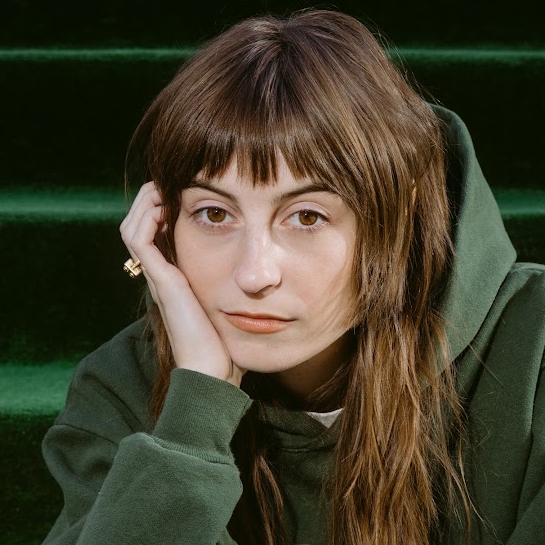
Episode 2 of the podcast welcomes the seasoned composer, arranger, and guitarist, Trey Pollard. Some of you may have seen me on *Kat Calls* a few weeks ago, speaking…
Trey PollardGuest
Harry LevinHost
And I mean, I know another thing you do is you teach at which university was it again?

And so to kind of take this conversation a little deeper, you know, one one reason I believe that this kind of trend is happening is.

it's like, well, it definitely extends from the pandemic, you know, because after the pandemic, people really realized the importance of human connection.

You know, we're seeing this in all types of different things, like people leaving dating apps, you know, for that, and like opting to meet in person again, that kind of stuff.

And then from the more creative side, I have this theory called the hourglass theory, which is essentially, you know, as... ensembles got smaller and smaller and smaller you know down to ai which is zero people it's getting flipped over and now we're seeing these large ensembles you know um become again become popular again which i mean it's all and again it's all based off the same thing of like Just because technology is becoming as prevalent as it is, human beings will always want to engage with other humans.

And so I'm curious, being a teacher, teaching students who – if you're taking music all the way up to college, you're presumably really serious about it.

How do you communicate and impart that kind of – dynamic to students about like you know engage making music with other humans

yeah i mean i think it's one of those things that once you once you experience it you know and it's just a the ai thing is such a such a thing now to just to be everyone wants to talk about it but And you see there's a certain young person that doesn't seem to care.

But I think that's just because when people haven't had the experience, just what does it feel like to play music with other people, to play music with even just a few people? And there's a lot of artists out there that have only been just sitting at their computer, right? So the zero people you've mentioned with AI is worrying, but it's almost not as worrying to me as the one.

So much music in the past 20 years has been made with just one person just sitting by themselves in front of a computer.

I mean, I certainly felt it because obviously I wasn't working at all in that when, during that time I couldn't get my, my whole job depends on getting a dozen people in a room.

I mean, and people felt it and the artists felt it like they're in the room with all these humans, you know? So I definitely think that there's yeah, I think there's something to that as far as like how you convey that.

You know, one is going to just say, OK, like, I believe that there's this better there's this better thing out there that you experience.

the artists that I work with, you know, and they the first time they ever do this kind of arrangement thing on a record, it's scary and they're spending a lot of money because it's a lot of people.

And I mean, I know another thing you do is you teach at which university was it again?

And so to kind of take this conversation a little deeper, you know, one one reason I believe that this kind of trend is happening is.

it's like, well, it definitely extends from the pandemic, you know, because after the pandemic, people really realized the importance of human connection.

You know, we're seeing this in all types of different things, like people leaving dating apps, you know, for that, and like opting to meet in person again, that kind of stuff.

And then from the more creative side, I have this theory called the hourglass theory, which is essentially, you know, as... ensembles got smaller and smaller and smaller you know down to ai which is zero people it's getting flipped over and now we're seeing these large ensembles you know um become again become popular again which i mean it's all and again it's all based off the same thing of like Just because technology is becoming as prevalent as it is, human beings will always want to engage with other humans.

And so I'm curious, being a teacher, teaching students who – if you're taking music all the way up to college, you're presumably really serious about it.

How do you communicate and impart that kind of – dynamic to students about like you know engage making music with other humans

yeah i mean i think it's one of those things that once you once you experience it you know and it's just a the ai thing is such a such a thing now to just to be everyone wants to talk about it but And you see there's a certain young person that doesn't seem to care.

But I think that's just because when people haven't had the experience, just what does it feel like to play music with other people, to play music with even just a few people? And there's a lot of artists out there that have only been just sitting at their computer, right? So the zero people you've mentioned with AI is worrying, but it's almost not as worrying to me as the one.

So much music in the past 20 years has been made with just one person just sitting by themselves in front of a computer.

I mean, I certainly felt it because obviously I wasn't working at all in that when, during that time I couldn't get my, my whole job depends on getting a dozen people in a room.

I mean, and people felt it and the artists felt it like they're in the room with all these humans, you know? So I definitely think that there's yeah, I think there's something to that as far as like how you convey that.

You know, one is going to just say, OK, like, I believe that there's this better there's this better thing out there that you experience.

the artists that I work with, you know, and they the first time they ever do this kind of arrangement thing on a record, it's scary and they're spending a lot of money because it's a lot of people.
The rest of this transcript — segmented and speaker-labeled, so you land on the exact moment something was said
Search every transcript — by keyword, by phrase, or by meaning, across every show Radar indexes
Trends — what is surging across podcasts, measured against its own baseline
Alerts — when a name you follow appears in a newly indexed episode
No account is needed to search Radar.