Sep 24, 2026 · 28 min · 11 segments
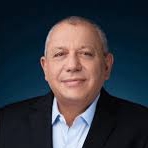
News commentator Benyamin Moalem joins David Levine for an Elections 101 guide to Israel's 2026 election — explaining parties, the Knesset, the 3.25% threshold, coalitions, the race to 61 seats, and…
Benyamin MoalemGuestDavid LevineHostWhat are the major parties that are running this year, and how would you group them?

So whereas perhaps in the past you would easily group the parties into right, left, religious Arab parties, the political landscape has pretty much morphed into yes, Bibi, no Bibi.


The one thing that his bloc has is that they have a clear leader, that all the parties that are in the quote-unquote pro-BB block.

They are, as far as they're concerned, Netanyahu is their candidate for prime minister.

You've got the Osmay Yudit party, led by Itamar Ben-Gur, which is probably the furthest to the right party in the Israeli political landscape.

We've got the new startup party called Amcha Yisrael Party, which is led by Ofer Winter.

But those parties have all pretty much accepted that Netanyahu is our leader, is our candidate for prime minister.

If this bloc manages to get 61 votes after this upcoming election, in all likelihood, Netanyahu will remain prime minister.

The other block, other major block, is a mix of right-wing parties, centrist party, and a left-wing party.

And the main thing that binds them all together is the fact that they, under no circumstances, will have Netanyahu continue to be prime minister.

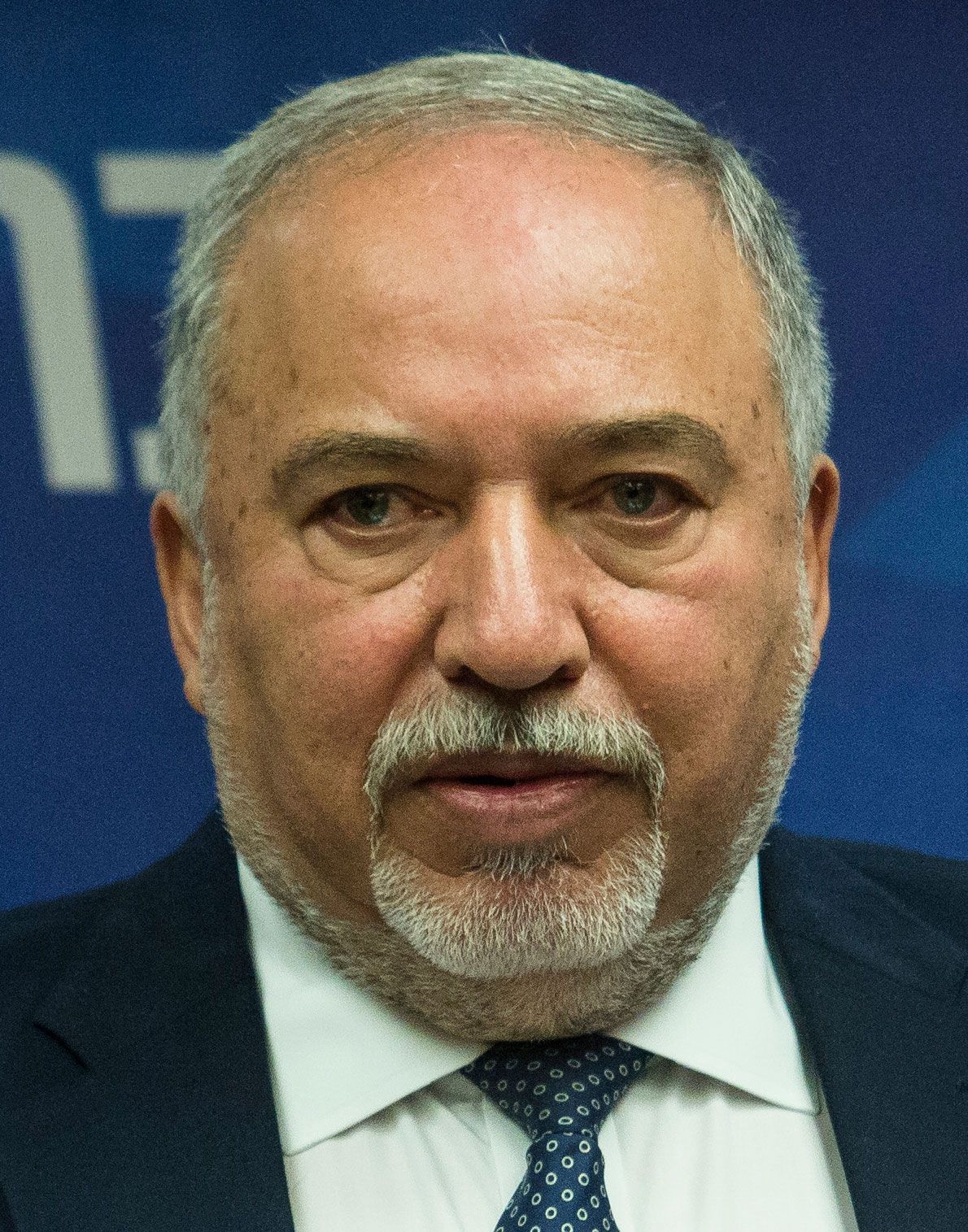
So you will have a party like Israel Beiteinu, which is led by Viktor Lieberman, who is in all likelihood to the right of Netanyahu on many issues.

But he is sitting alongside, in this block at least, with Yair Golan, who is the head of the new, well, it's newly called the Democrats Party.

It's a merger between the Labor Party, which for many, many years was the main left-wing party in Israel, and Meretz, which was a smaller party to the left of the Labor Party.

However, At the last several election cycles, the Labor Party has pretty much crashed and burned.
What are the major parties that are running this year, and how would you group them?

So whereas perhaps in the past you would easily group the parties into right, left, religious Arab parties, the political landscape has pretty much morphed into yes, Bibi, no Bibi.


The one thing that his bloc has is that they have a clear leader, that all the parties that are in the quote-unquote pro-BB block.

They are, as far as they're concerned, Netanyahu is their candidate for prime minister.

You've got the Osmay Yudit party, led by Itamar Ben-Gur, which is probably the furthest to the right party in the Israeli political landscape.

We've got the new startup party called Amcha Yisrael Party, which is led by Ofer Winter.

But those parties have all pretty much accepted that Netanyahu is our leader, is our candidate for prime minister.

If this bloc manages to get 61 votes after this upcoming election, in all likelihood, Netanyahu will remain prime minister.

The other block, other major block, is a mix of right-wing parties, centrist party, and a left-wing party.

And the main thing that binds them all together is the fact that they, under no circumstances, will have Netanyahu continue to be prime minister.

So you will have a party like Israel Beiteinu, which is led by Viktor Lieberman, who is in all likelihood to the right of Netanyahu on many issues.

But he is sitting alongside, in this block at least, with Yair Golan, who is the head of the new, well, it's newly called the Democrats Party.

It's a merger between the Labor Party, which for many, many years was the main left-wing party in Israel, and Meretz, which was a smaller party to the left of the Labor Party.

However, At the last several election cycles, the Labor Party has pretty much crashed and burned.
The rest of this transcript — segmented and speaker-labeled, so you land on the exact moment something was said
Search every transcript — by keyword, by phrase, or by meaning, across every show Radar indexes
Trends — what is surging across podcasts, measured against its own baseline
Alerts — when a name you follow appears in a newly indexed episode
No account is needed to search Radar.