From the archive: Philosophers on psychedelics
Jul 17, 2026 · 1 hr 41 min · 13 segments
Hi friends! We're taking a bit of a summer pause. We will be back soon—in the meanwhile, enjoy this listener favorite from our archives! \----- *\[originally aired May 14, 2025]* Some call it the…
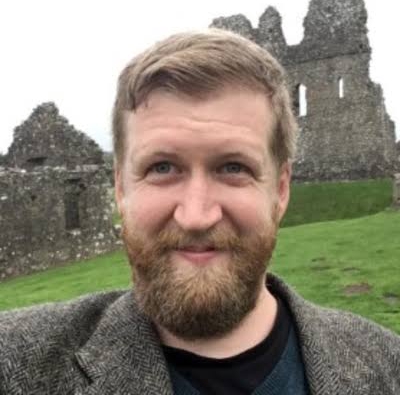
Hi friends! We're taking a bit of a summer pause. We will be back soon—in the meanwhile, enjoy this listener favorite from our archives! \----- *\[originally aired May 14, 2025]* Some call it the "psychedelic renaissance." In the last decade or so, interest in psychedelic drugs has surged—and not just among Silicon Valley types and psychiatrists and neuroscientists. It's also surged among a stereotypically soberer crowd: academic philosophers. The reasons are clear. With their varied and sometimes transformative effects, psychedelics raise ethical questions, epistemological questions, metaphysical questions, questions about the nature of experience and the nature of the mind. My guest today is Dr. Chris Letheby. Chris is a philosopher of cognitive science at the University of Western Australia and the author of the 2021 book, Philosophy of Psychedelics. Here, Chris and I talk about the so-called classic psychedelics—LSD, psilocybin, ayahuasca, and others—and how interest in them has gone through three distinct waves. We discuss the effects that these substances seem to have, in particular their capacity to treat certain psychiatric conditions and their tendency to induce "mystical-like" experiences. We consider the idea that psychedelics might serve as agents of moral enhancement. And we dig into the psychological and neural mechanisms by which psychedelics seem to have their diverse—and often salutary—effects. Along the way, we talk about ontological shock, comforting delusions, brain plasticity, unselfing, microdosing, placebo effects and adverse effects, physicalism and idealism, the REBUS model, environmental virtues, plant consciousness, meditation, and much more. Maybe this is obvious but this episode is not just for the seasoned psychonauts out there. Whatever your personal experience with these substances, they offer a distinctive window into the mind—a new way of grappling with big questions. Perhaps this much is *also* obvious but we're not encouraging or endorsing the use of psychedelics here—just offering a little fuel for your intellectual fires! Alright friends, on to my conversation w/ Dr. Chris Letheby. Enjoy! A transcript of this episode is available here. *Notes and links* 4:00 – For a brief historical overview of research into psychedelics, see this paper. 8:30 – For work by an early trailblazer in the philosophy of psychedelics, see Thomas Metzinger's Being No One*.* 12:30 – For our earlier episode on the psychology and philosophy of visual illusions, see here. 18:00 – For a history of the concept of "set and setting," see here. 19:00 – A 2024 review of "adverse events" in classic psychedelics. 26:00 – A blog post on the history of the term "psychedelic." 27:00 – A recent review and meta-analysis of the use of psychedelic therapy for depressive symptoms. 31:00 – On mystical experience see Walter Stace's classic work, Mysticism and Philosophy. On the measurement of mystical-type experiences, see, e.g., Walter Pahnke's paper here. 36:00 – On the idea of "psychoplastogens," see here. 39:00 – See our earlier audio essay on placebo effects. 41:00 – For the study using Ritalin as an active placebo, see here. 44:00 – Michael Pollan's book on psychedelics is here. 48:00 – On the idea of "idealism," see here. 50:30 – For the 2021 study on psychedelics' capacity to alter metaphysical beliefs, see here. 54:00 – For Dr. Letheby and collaborators' paper about the "mysticism wars," see here. 1:02:00 – For a popular article on the possibility that psychedelics reduce fear of death, see here. 1:03:00 – For Dr. Letheby's paper on psychedelics and the fear of death, see here. 1:11:00 – The phrase "comforting delusion" comes from an article by Michael Pollan. 1:15:00 – For the "REBUS model," see here. 1:20:00 – On the idea that psychedelics could serve as agents of moral enhancement, see the paper by Brian Earp here. 1:21:00 – For Dr. Letheby's paper on psychedelics and environmental virtues, see here. For his paper on psychedelics and forgiveness, see here. 1:23:00 – On the subfield of "virtue ethics," see here. On the virtue of "living in place," see the paper by Nin Kirkham here. 1:28:00 – For the New Yorker article, by Matthew Hutson, on how psychedelics led him to see trees as smart, see here. For the study, led by Sandeep Nayak, on psychedelics leading people to expand their attributions of consciousness, see here. 1:32:00 – For a first paper by Dr. Letheby on the comparison between meditation and psychedelics, see here. *Recommendations* Psychedelic Experience*,* Aidan Lyon Varieties of Psychedelic Experience, Robert Masters & Jean Houston The Antipodes of the Mind, Benny Shanon *Many Minds* is a project of the Diverse Intelligences Summer Institute, which is made possible by a generous grant from the John Templeton Foundation to Indiana University. The show is hosted and produced by Kensy Cooperrider, with help from Assistant Producer Urte Laukaityte and with creative support from DISI Directors Erica Cartmill and Jacob Foster. Our artwork is by Ben Oldroyd. Our transcripts are created by Sarah Dopierala. Subscribe to *Many Minds* on Apple, Stitcher, Spotify, Pocket Casts, Google Play, or wherever you listen to podcasts. You can also now subscribe to the Many Minds newsletter here! We welcome your comments, questions, and suggestions. Feel free to email us at: manymindspodcast@gmail.com. For updates about the show, visit our website or follow us on Twitter (@ManyMindsPod) or Bluesky (@manymindspod.bsky.social).
Hi friends! We're taking a bit of a summer pause. We will be back soon—in the meanwhile, enjoy this listener favorite from our archives! \----- *\[originally aired May 14, 2025]* Some call it the…