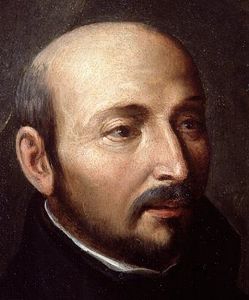
Life of St. Ignatius of Loyola
Oct 3, 2026 · 2 hr 18 min · 16 segments
The "Autobiography of St. Ignatius-St. Ignatius Loyola" offers a profound insight into the life and spiritual journey of one of Christianity's most influential figures. This remarkable narrative…
Up to his twenty-sixth year, the heart of Ignatius was enthralled by the vanities of the world.
His special delight was in the military life, and he seemed led by a strong and empty desire of gaining for himself a great name.
All the other soldiers were unanimous in wishing to surrender on condition of freedom to leave, since it was impossible to hold out any longer.
But Ignatius so persuaded the commander that, against the views of all the other nobles, he decided to hold the citadel against the enemy.
When the day of the assault came, Ignatius made his confession to one of the nobles and his companion in arms.
The soldier also made his to Ignatius.
After the walls were destroyed, Ignatius stood fighting bravely until a cannonball of the enemy broke one of his legs and seriously injured the other.
When he fell, the citadel was surrendered.
When the French took possession of the town, they showed great admiration for Ignatius.
After twelve or fifteen days at Pampeluna, where he received the best care from the physicians of the French army, he was born on a litter to Loyola.
His recovery was very slow, and doctors and surgeons were summoned from all parts for a consultation.
They decided that the leg should be broken again, that the bones which had knit badly might be properly reset, for they had not been properly set in the beginning, or else had been so jostled on the journey that a cure was impossible.
He submitted to have his flesh cut again.
During the operation, as in all he suffered before and after, he uttered no word and gave no sign of suffering save that of tightly clenching his fists.
In the meantime, his strength was failing.
He could take no food and showed other symptoms of approaching death.
On the feast of St. John, the doctors gave up hope of his recovery, and he was advised to make his confession.
Up to his twenty-sixth year, the heart of Ignatius was enthralled by the vanities of the world.
His special delight was in the military life, and he seemed led by a strong and empty desire of gaining for himself a great name.
All the other soldiers were unanimous in wishing to surrender on condition of freedom to leave, since it was impossible to hold out any longer.
But Ignatius so persuaded the commander that, against the views of all the other nobles, he decided to hold the citadel against the enemy.
When the day of the assault came, Ignatius made his confession to one of the nobles and his companion in arms.
The soldier also made his to Ignatius.
After the walls were destroyed, Ignatius stood fighting bravely until a cannonball of the enemy broke one of his legs and seriously injured the other.
When he fell, the citadel was surrendered.
When the French took possession of the town, they showed great admiration for Ignatius.
After twelve or fifteen days at Pampeluna, where he received the best care from the physicians of the French army, he was born on a litter to Loyola.
His recovery was very slow, and doctors and surgeons were summoned from all parts for a consultation.
They decided that the leg should be broken again, that the bones which had knit badly might be properly reset, for they had not been properly set in the beginning, or else had been so jostled on the journey that a cure was impossible.
He submitted to have his flesh cut again.
During the operation, as in all he suffered before and after, he uttered no word and gave no sign of suffering save that of tightly clenching his fists.
In the meantime, his strength was failing.
He could take no food and showed other symptoms of approaching death.
On the feast of St. John, the doctors gave up hope of his recovery, and he was advised to make his confession.
The rest of this transcript — segmented and speaker-labeled, so you land on the exact moment something was said
Search every transcript — by keyword, by phrase, or by meaning, across every show Radar indexes
Trends — what is surging across podcasts, measured against its own baseline
Alerts — when a name you follow appears in a newly indexed episode
No account is needed to search Radar.