Oct 22, 2026 · 1 hr 9 min · 11 segments
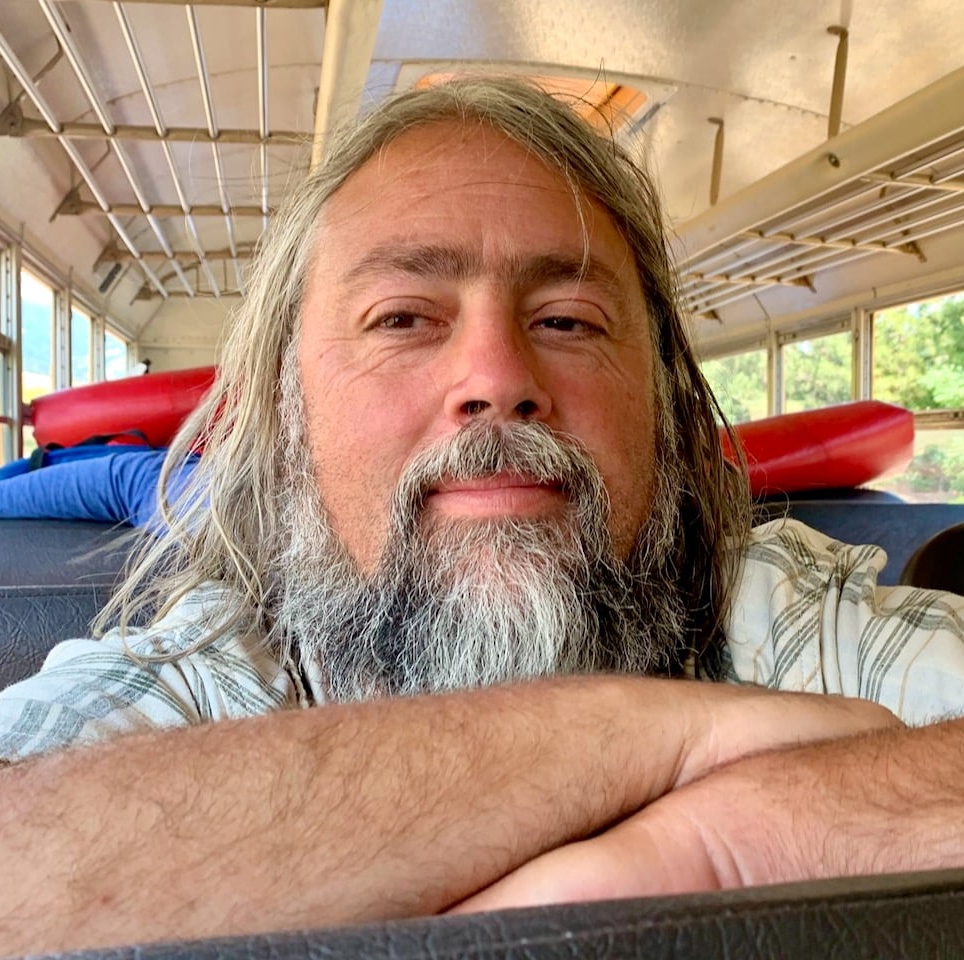
Chris La Tray is an Anishinaabe/Métis storyteller and Montana’s former poet laureate. He’s also a citizen of the Little Shell Tribe of Chippewa Indian. He and Hank talk about his memoir Becoming…
Chris La TrayGuestI've heard you say in interviews that if your father says one thing and your grandmother says another, believe your grandmother, she's in charge.
Am I wrong? I think it's fairly common for men to deny their Indian heritage, but grandmothers and aunties keep that heritage alive.
So I'm interested in what you think of this matriarchal push to keep heritage alive and why it is often men who are trying to forget the past.

Well, in my case, one of the things that I didn't know at the time that I was writing Becoming Little Shell that came out that I learned later is that my grandfather was a boarding school survivor.

And, you know, when I found that out and I thought of all of the dysfunctions that my family, like so many Native families and every other, you know, there's trauma in everybody's background that people are trying to recover from.

The boarding school experience, you can make a list of all of those things, and we check every box.

And that denial of heritage, because that was a key element of the boarding school, is to, you know, the whole save the man, kill the Indian thing, which was ubiquitous from school to school, had an effect on my grandfather.

And, you know, when we think of And I'm speaking entirely about Anishinaabe culture, but it's common in other cultures as well that one of the ramifications of settler colonialism and boarding schools and all those things was the diminishment of women's power and agency within our community.

So, you know, traditionally, you know, major decisions weren't made without input from women.

And in some tribal communities, like the Crow people, for example, if you go to Crow Fair and you see those hundreds and hundreds of teepees out there, they're all owned by women.

So the fact that our women were the ones kind of, again, if we talk about the period when we were kind of existing under the radar, my grandma kept in touch with her sisters.

And when I look at kind of the migration points of where my grandparents lived, over the time that I was alive, those were all resettlement communities for Métis people.

So even as they were denying who they were, at least my grandfather, they were living in places where there were other family members, whether they accepted it or not.

One of my favorite things in... becoming little shell is the map on the inside of the book.
I've heard you say in interviews that if your father says one thing and your grandmother says another, believe your grandmother, she's in charge.
Am I wrong? I think it's fairly common for men to deny their Indian heritage, but grandmothers and aunties keep that heritage alive.
So I'm interested in what you think of this matriarchal push to keep heritage alive and why it is often men who are trying to forget the past.

Well, in my case, one of the things that I didn't know at the time that I was writing Becoming Little Shell that came out that I learned later is that my grandfather was a boarding school survivor.

And, you know, when I found that out and I thought of all of the dysfunctions that my family, like so many Native families and every other, you know, there's trauma in everybody's background that people are trying to recover from.

The boarding school experience, you can make a list of all of those things, and we check every box.

And that denial of heritage, because that was a key element of the boarding school, is to, you know, the whole save the man, kill the Indian thing, which was ubiquitous from school to school, had an effect on my grandfather.

And, you know, when we think of And I'm speaking entirely about Anishinaabe culture, but it's common in other cultures as well that one of the ramifications of settler colonialism and boarding schools and all those things was the diminishment of women's power and agency within our community.

So, you know, traditionally, you know, major decisions weren't made without input from women.

And in some tribal communities, like the Crow people, for example, if you go to Crow Fair and you see those hundreds and hundreds of teepees out there, they're all owned by women.

So the fact that our women were the ones kind of, again, if we talk about the period when we were kind of existing under the radar, my grandma kept in touch with her sisters.

And when I look at kind of the migration points of where my grandparents lived, over the time that I was alive, those were all resettlement communities for Métis people.

So even as they were denying who they were, at least my grandfather, they were living in places where there were other family members, whether they accepted it or not.

One of my favorite things in... becoming little shell is the map on the inside of the book.
The rest of this transcript — segmented and speaker-labeled, so you land on the exact moment something was said
Search every transcript — by keyword, by phrase, or by meaning, across every show Radar indexes
Trends — what is surging across podcasts, measured against its own baseline
Alerts — when a name you follow appears in a newly indexed episode
No account is needed to search Radar.