Dawes Act
EventWikipedia
41
MENTIONS
15
EPISODES
15
PODCASTS
Search complete. 41 mentions across 15 episodes found for "Dawes Act".
Nov 16, 2026

Sam Lightner Jr.GUEST
Which is an interesting thing with this piece because – so there's a couple of things, give a little history.
Sam Lightner Jr.GUEST
There was a thing called the Dawes Act, 1888.
Sam Lightner Jr.GUEST
This was the last big, real big FU to the tribes.
Sam Lightner Jr.GUEST
We had for years been doing a program, federal government had been, where annuities went out to the tribes.
Sam Lightner Jr.GUEST
And then there'd be fighting and so forth.
Sam Lightner Jr.GUEST
And it was basically a payoff.
Sam Lightner Jr.GUEST
And the Dawes Act said they were going to have to start paying for these supplies that they were getting.
Sam Lightner Jr.GUEST
The idea behind the Dawes Act, no one said this at the time, was, well, they only have one thing they can sell to pay for their annuities.

Christina GesslerHOST
In this section, when we're talking to listeners about the systemic setup of it, the created conditions, there's two pieces here that we learn about in this chapter.
Christina GesslerHOST
One is the Major Crimes Act, and one is the Dawes Act.
Christina GesslerHOST
And we see how they begin to work to create many of the conditions.
Christina GesslerHOST
So I wonder if we would start there and you would introduce us to Lydia Kingfisher and the work of recovering her story.
Liza BlackGUEST
She did not speak English.
Liza BlackGUEST
So Cherokee was absolutely her first and primary language.
Liza BlackGUEST
And I connect the attack on Lydia to the Major Crimes Act of 1885 and the Dawes Act of 1887.
Liza BlackGUEST
So the Major Crimes Act of 1885 furthered federal

Christina GesslerHOST
There's two pieces here that we learn about in this chapter.
Christina GesslerHOST
One is the Major Crimes Act and one is the Dawes Act.
Christina GesslerHOST
And we see how they begin to work to create many of the conditions.
Christina GesslerHOST
And so I wonder if we would start there and you would introduce us to Lydia Kingfisher and the work of recovering her story.
Liza BlackGUEST
She did not speak English.
Liza BlackGUEST
So Cherokee was absolutely her first and primary language.
Liza BlackGUEST
And I connect the attack on Lydia to the Major Crimes Act of 1885 and the Dawes Act of 1887.
Liza BlackGUEST
So the Major Crimes Act of 1885 furthered federal jurisdiction.

Christina GesslerHOST
There's two pieces here that we learn about in this chapter.
Christina GesslerHOST
One is the Major Crimes Act and one is the Dawes Act.
Christina GesslerHOST
And we see how they begin to work to create many of the conditions.
Christina GesslerHOST
And so I wonder if we would start there and you would introduce us to Lydia Kingfisher and the work of Recovering Her Story.
Liza BlackGUEST
She did not speak English.
Liza BlackGUEST
So Cherokee was absolutely her first and primary language.
Liza BlackGUEST
And I connect the attack on Lydia to the Major Crimes Act of 1885 and the Dawes Act of 1887.
Liza BlackGUEST
So the Major Crimes Act of 1885 furthered federal jurisdiction.

Christina GesslerHOST
In this section, when we're talking to listeners about the systemic setup of it, the created conditions, there's two pieces here that we learn about in this chapter.
Christina GesslerHOST
One is the Major Crimes Act, and one is the Dawes Act.
Christina GesslerHOST
And we see how they begin to work to create many of the conditions.
Christina GesslerHOST
So I wonder if we would start there and you would introduce us to Lydia Kingfisher and the work of Recovering Her Story.
Liza BlackGUEST
She did not speak English.
Liza BlackGUEST
So Cherokee was absolutely her first and primary language.
Liza BlackGUEST
And I connect the attack on Lydia to the Major Crimes Act of 1885 and the Dawes Act of 1887.
Liza BlackGUEST
So the Major Crimes Act of 1885 furthered federal jurisdiction.

Christina GesslerHOST
There's two pieces here that we learn about in this chapter.
Christina GesslerHOST
One is the Major Crimes Act and one is the Dawes Act.
Christina GesslerHOST
And we see how they begin to work to create many of the conditions.
Christina GesslerHOST
And so I wonder if we would start there and you would introduce us to Lydia Kingfisher and the work of Recovering Her
Liza BlackGUEST
She did not speak English.
Liza BlackGUEST
So Cherokee was absolutely her first and primary language.
Liza BlackGUEST
And I connect the attack on Lydia to the Major Crimes Act of 1885 and the Dawes Act of 1887.
Liza BlackGUEST
So the Major Crimes Act of 1885 furthered federal jurisdiction.

speaker_1NARRATOR
Although he governed in an era of growing racial discrimination, Cleveland offered little meaningful resistance to the erosion of black Americans' political rights.
speaker_1NARRATOR
His administration also supported policies that undermined the interest of indigenous peoples, including the Dawes Act of 1887, which contributed to the loss of tribal lands.
speaker_1NARRATOR
These were not minor contradictions.
speaker_1NARRATOR
They exposed the limits of a political philosophy that emphasised individual responsibility while failing to confront deeply unequal social structures.

ElinaHOST
Thirty years later, Japan passed a law for its former aborigines that broke up Ainu ways of living by handing out small farming plots and pushing assimilation.
ElinaHOST
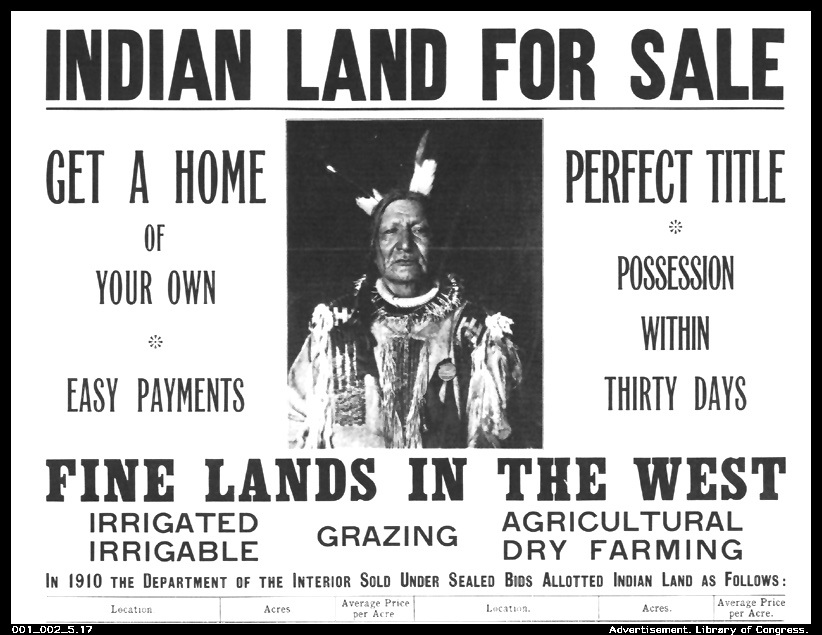
Historians still compare this to the Dawes Act, the American law of 1887 that carved up land native nations held in common into private plots, 160 acres for each head of a family, and sold off the so-called surplus to settlers.
ElinaHOST
Within 50 years, native landholding in the U.S. had fallen from about 130 million acres to around 48 million.
ElinaHOST
In Ghosts of Empire, the first two essays in this series, I wrote that the colonizer had to be trained not to see.

JessicaHOST
After that, it was home of the Oglala Lakota until the late 1800s when the government began pushing them off their native lands to take it for homesteading through many acts.
JessicaHOST
One of the notable ones was the Dawes Act.
JessicaHOST
Act of 1887.
JessicaHOST
It was an attempt to assimilate indigenous people into mainstream U.S. culture, dividing their large tribal lands into individual plots and trying to force them into a way of capitalism and individual ownership of private property as well as The white American way of farming and ranching instead of their practices of hunting.

Peter BoomeGUEST
Because the majority of people that live within boundaries are often non-Indians.
Matika WilburHOST
Because of Dawes Act, because of allotment.
Matika WilburHOST
But
Peter BoomeGUEST
VAWA said, hey, wait a minute.
5 more episodes mention Dawes Act.
Create an account to see the whole feed, search across every transcript, and follow the entities you care about.