Mar 19, 2026 · 1 hr 1 min · 13 segments
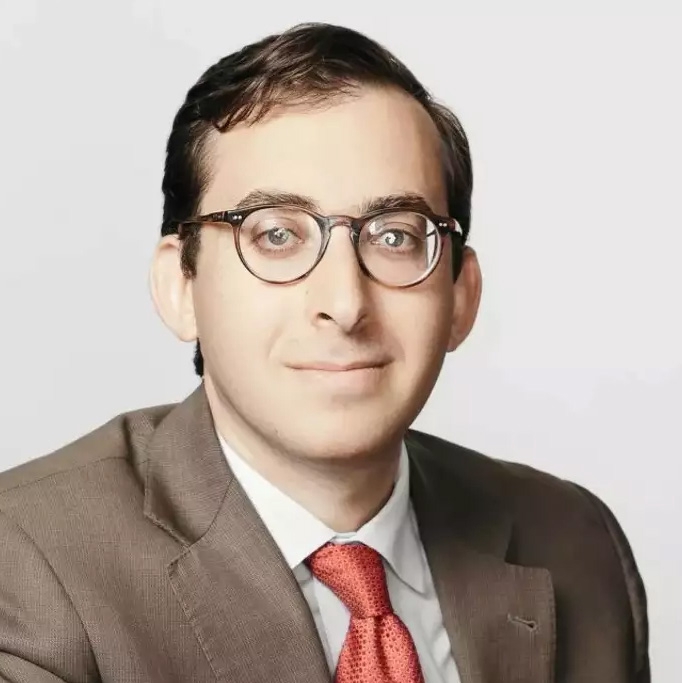
In this episode of Hobby Talks, Associate Professor Chris Bronk speaks with Evan Mintz, editor of opinion and community engagement at the Houston Chronicle. Their conversation explores the role of the…
Evan MintzGuestChris BronkHost
do you guys what do you guys think when you go to work every day so editorial boards are this interesting creation and then the idea of an opinion section in a newspaper overall in the year 2026 is interesting because uh you were to explain the business case of like paying for a newspaper paying for your news it's pretty straightforward like you give money to a newspaper you They give money to a reporter and the reporter discovers stuff about the world you live in that you didn't know otherwise.

In an opinion section, though, it's a little different because right now on the Internet, there is so much opinion and it is free.


That means talking about what is happening here in terms of policy and culture and arts and just the experience of being here.

The idea is that if you read the opinion section, you will be able to talk about the place where you live in a very smart, informed way.

In a way where on the news side, you're getting your who, what, where, when, why, how.

On the opinion section, you are getting the should, where you're getting the places where different values lead people to look at these facts and come to different conclusions.

We also want to try to find ways to plug Houston into the national conversation so that we don't get overlooked as a region.

If there are big debates going on about things that Houston has insight into, like energy, and immigration and trade and growth, we want to try to find ways to get op-eds, which are things written by people from outside the paper, opposite editorials, things in the paper that will somehow connect us to the national press, whether it's because we are writing in a way for that audience or we're taking someone from a national audience and bringing them down here to build that connection.

So it's not just a bunch of people who barely leave Brooklyn talking about the impact of tariffs are going to be on the world's most or one of the world's most important ports.

You have your letters to the editor, which are people who will read the newspaper and then tell us what they think about it.

A back and forth conversation in ways that you don't always get with other media outlets.
The rest of this transcript — segmented and speaker-labeled, so you land on the exact moment something was said
Search every transcript — by keyword, by phrase, or by meaning, across every show Radar indexes
Trends — what is surging across podcasts, measured against its own baseline
Alerts — when a name you follow appears in a newly indexed episode
No account is needed to search Radar.