Apr 27, 2026 · 53 min · 17 segments
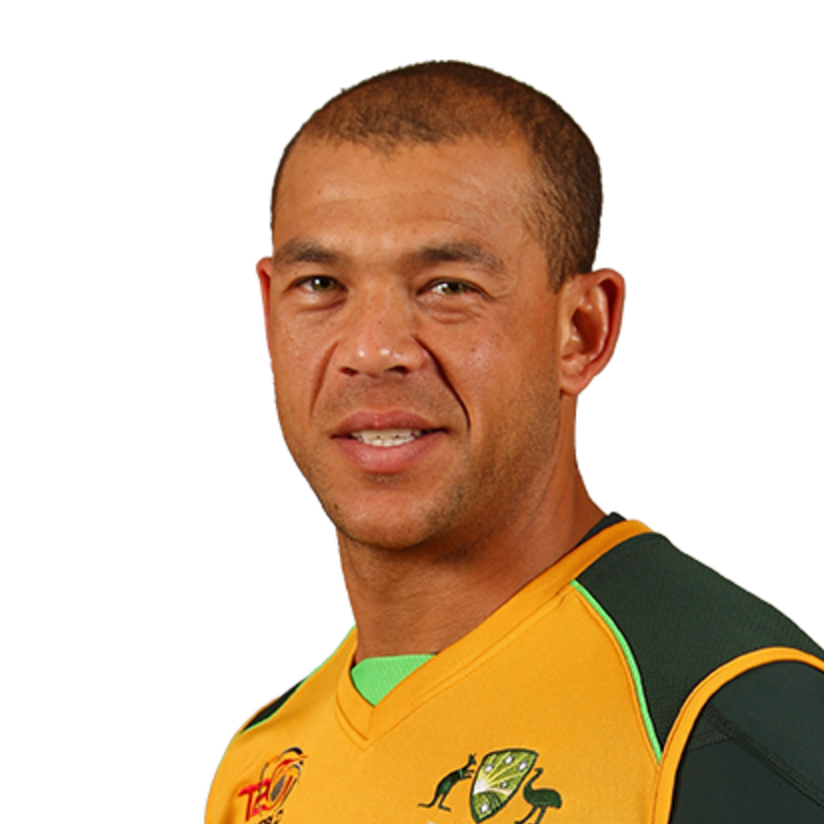
In this episode of *Game On with Grace*, host Grace Hayden sits down with her father, Australian legend Matthew Hayden, for a conversation that goes far beyond the highlight reel. From growing up on a…
19 years, well, I guess since your retirement, you wanna say too, but, you know, 19 years of this unbelievable tourn- tournament, which has really, I think, redefined cricket.
Yeah, definitely when you look at historically where the game has come from, the first big revolution was Kerry Packer and his revolution around ODI cricket and taking on the, on not only Cricket Australia's board, but then taking on the rest of the global game in a very unique way to create a product which was a little more digestible for mainstream cricket.
Um, but, but certainly that sort of marked through the '70s, you know, the, the, the great revolution of, of white-ball cricket, um, the best players in the world congregating around World Series cricket in Australia.
Uh, the protests against the board and, and how that kind of manifested itself in legal battles, uh, financial claims, a split of playing group because for the first time players, they didn't have just one pathway.
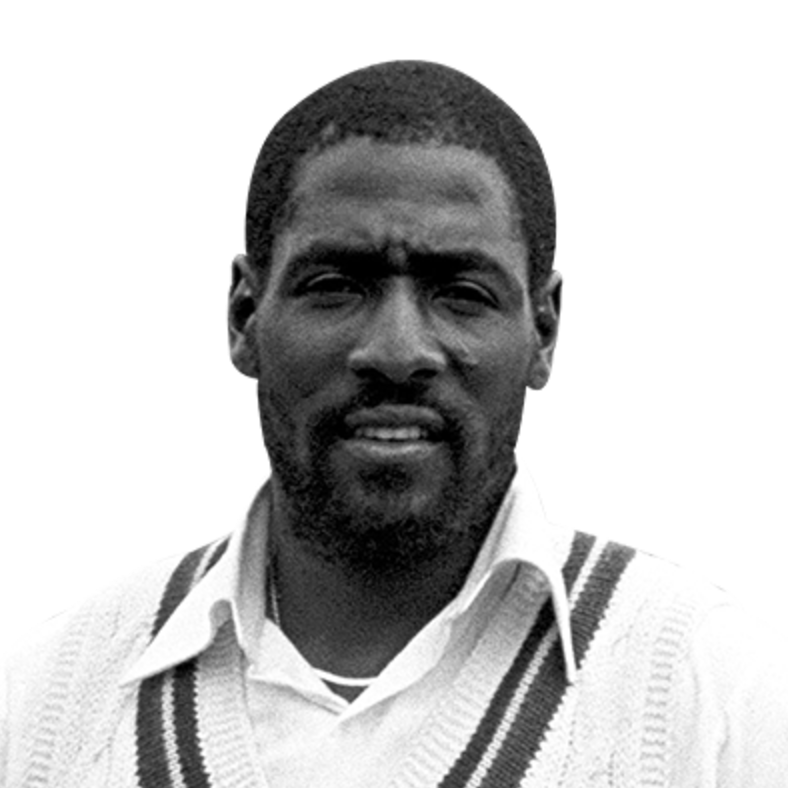
You know, you think back to those times and you had, you know, incredible players like Sir Clive Lloyd, uh, Viv Richards, who was, you know, a personal hero of mine.
Uh, who didn't wanna be Viv Richards, let's face it? I mean, the swagger of him, man.
Um, but then, you know, you think about how that then challenged, um, o- other really traditional boards, in fact, the founders of, of cricket in, in the ECB.
Um, a lot of those guys coming out and, and playing just meant that the game was rocked, um, and sh- and shaken, uh, like a good cocktail.
Um, it was, it was really, it was really put together and, and, and it was fantastic.
And, and then you sort of put your mind forward to 2007 and, and granted that there was a lot of other boards that were playing, um, T20 cricket, um, at this time.
Um, it was a sleeping giant to say the least because when, uh, when we lost our game to, to India in the World Cup in 2007 in Durban, my mate Sri- Sreesanth just nipping on back and bowling me, um, you know, it was one of those moments which-At the time, I was obviously as an athlete just completely frustrated about.
But retrospectively and in hindsight, had Australia gone to win that game and India not go on to play the semis and the finals, um, in that T20 World Cup in South Africa, and you just think, what-- where would the game really have gone? Because out of that was the r- rebirth of T20 cricket in India.
Um, and y- you know, Lalit Modi was the brainchild, he was the disruptor, he was the disturber, he was the influencer.
He, he was almost, um, in many respects the, the anti, uh, authority to BCCI.
And, and here we are, you know, because of that strategy, um, bold as it may, private investment, uh, which is a big challenge to itself because, I mean, boards operate on a not-for-profit, um, position.
Um, a- and so, you know, you've got private investors now, you know, and, and it's just extraordinary to s- to see how those, you know, two, two institutions, non-financial and financial merging.
19 years, well, I guess since your retirement, you wanna say too, but, you know, 19 years of this unbelievable tourn- tournament, which has really, I think, redefined cricket.
Yeah, definitely when you look at historically where the game has come from, the first big revolution was Kerry Packer and his revolution around ODI cricket and taking on the, on not only Cricket Australia's board, but then taking on the rest of the global game in a very unique way to create a product which was a little more digestible for mainstream cricket.
Um, but, but certainly that sort of marked through the '70s, you know, the, the, the great revolution of, of white-ball cricket, um, the best players in the world congregating around World Series cricket in Australia.
Uh, the protests against the board and, and how that kind of manifested itself in legal battles, uh, financial claims, a split of playing group because for the first time players, they didn't have just one pathway.
You know, you think back to those times and you had, you know, incredible players like Sir Clive Lloyd, uh, Viv Richards, who was, you know, a personal hero of mine.
Uh, who didn't wanna be Viv Richards, let's face it? I mean, the swagger of him, man.
Um, but then, you know, you think about how that then challenged, um, o- other really traditional boards, in fact, the founders of, of cricket in, in the ECB.
Um, a lot of those guys coming out and, and playing just meant that the game was rocked, um, and sh- and shaken, uh, like a good cocktail.
Um, it was, it was really, it was really put together and, and, and it was fantastic.
And, and then you sort of put your mind forward to 2007 and, and granted that there was a lot of other boards that were playing, um, T20 cricket, um, at this time.
Um, it was a sleeping giant to say the least because when, uh, when we lost our game to, to India in the World Cup in 2007 in Durban, my mate Sri- Sreesanth just nipping on back and bowling me, um, you know, it was one of those moments which-At the time, I was obviously as an athlete just completely frustrated about.
But retrospectively and in hindsight, had Australia gone to win that game and India not go on to play the semis and the finals, um, in that T20 World Cup in South Africa, and you just think, what-- where would the game really have gone? Because out of that was the r- rebirth of T20 cricket in India.
Um, and y- you know, Lalit Modi was the brainchild, he was the disruptor, he was the disturber, he was the influencer.
He, he was almost, um, in many respects the, the anti, uh, authority to BCCI.
And, and here we are, you know, because of that strategy, um, bold as it may, private investment, uh, which is a big challenge to itself because, I mean, boards operate on a not-for-profit, um, position.
Um, a- and so, you know, you've got private investors now, you know, and, and it's just extraordinary to s- to see how those, you know, two, two institutions, non-financial and financial merging.
The rest of this transcript — segmented and speaker-labeled, so you land on the exact moment something was said
Search every transcript — by keyword, by phrase, or by meaning, across every show Radar indexes
Trends — what is surging across podcasts, measured against its own baseline
Alerts — when a name you follow appears in a newly indexed episode
No account is needed to search Radar.